Galaxy Z Lineup Expansion in 2027: What Shoppers Should Expect
Samsung reveals massive foldable lineup for 2027, featuring rollable Galaxy Z Slide and tri-fold designs.
 By Eleanor Garcia
Updated October 17, 2026
By Eleanor Garcia
Updated October 17, 2026
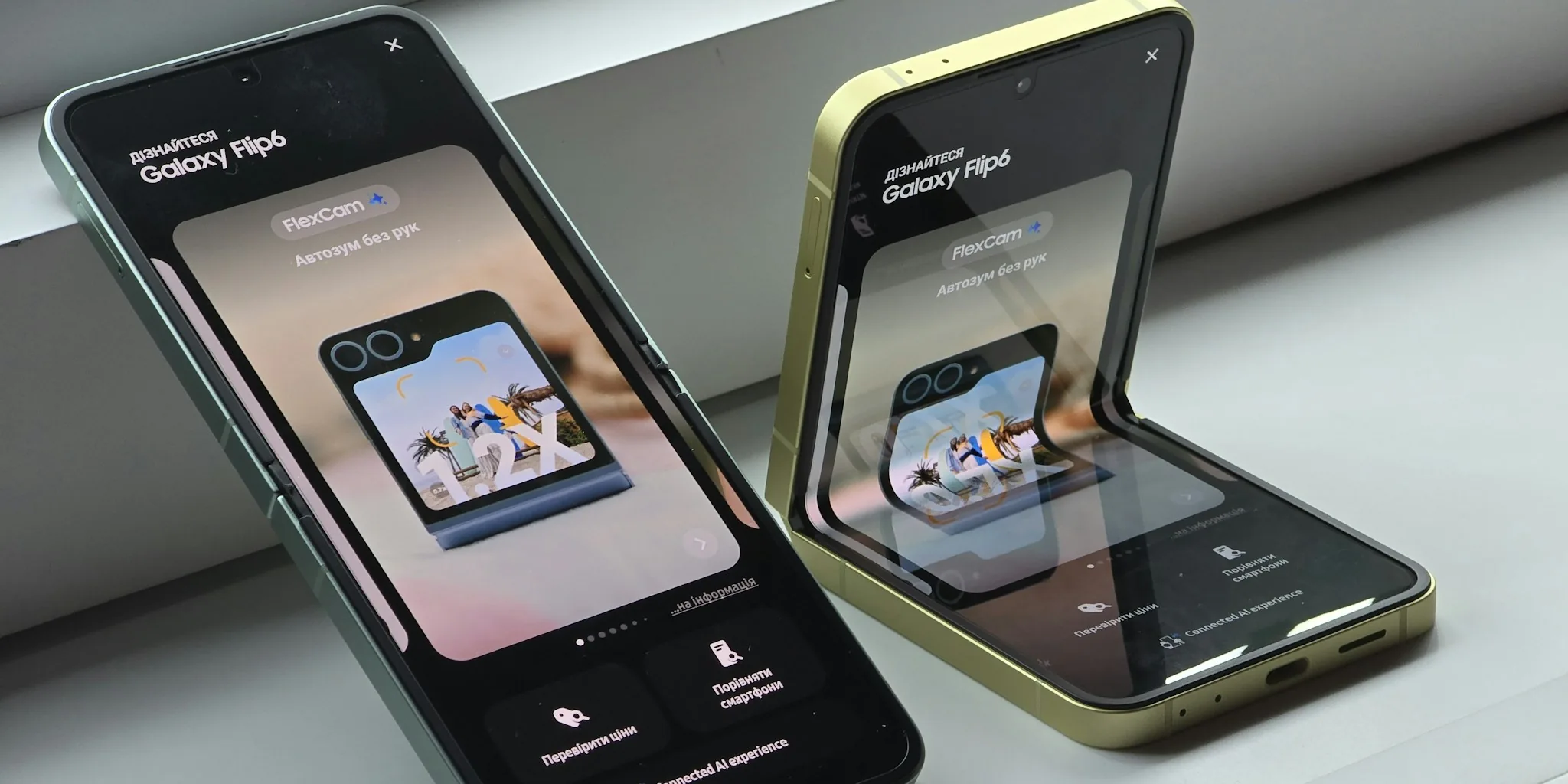
Samsung is preparing to shake up the foldable smartphone market in 2027 with an unprecedented expansion of its Galaxy Z lineup. According to recent leaks, the company plans to launch six new foldable models, marking the most ambitious foldable push any manufacturer has attempted. This move signals a major shift in how smartphones will evolve over the coming years and what consumers can expect from premium devices.
A Massive Lineup on the Horizon
The rumored 2027 Galaxy Z portfolio is expected to include the Galaxy Z TriFold 2, Galaxy Z Slide, Galaxy Z Fold 9, Galaxy Z Fold 9 Ultra, Galaxy Z Fold 9 Pro, and Galaxy Z Flip 9. This represents a dramatic increase from Samsung’s current foldable offerings. The scale of this expansion reflects growing confidence in the foldable market, particularly as competitors like Apple begin committing to the form factor through multi-year display panel contracts with Samsung.
According to available reports, Samsung plans improvements across battery life, device thickness, and weight for these new models. These refinements could address some of the concerns consumers have raised about current foldable phones, making them more practical for everyday use.
The Galaxy Z Slide: Innovation Finally Arrives
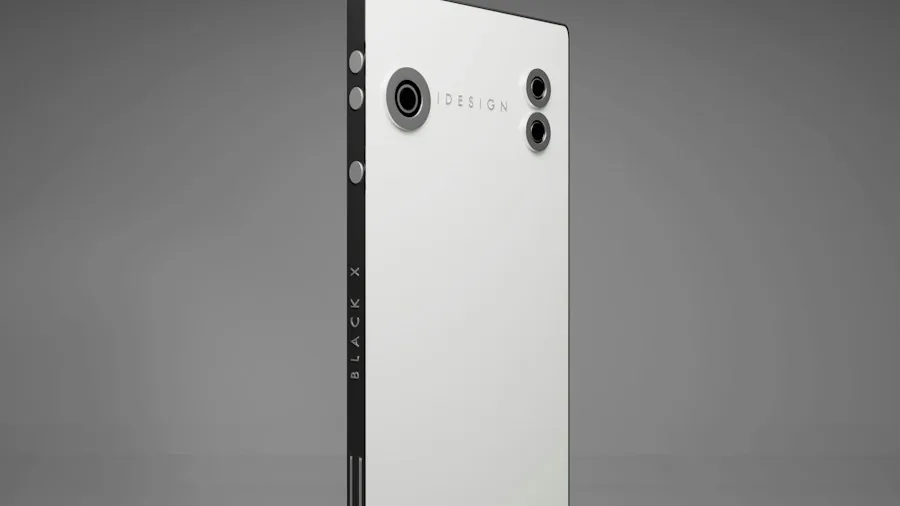
Among the six planned models, the Galaxy Z Slide stands out as the most innovative entry. This rollable device represents technology that has been in development for years. Patents from 2021 reveal the concept: a smartphone that transforms from a standard tall, narrow design into an extended display through a sliding mechanism that pulls the screen from the back to the front.
The rollable form factor was demonstrated as a concept by LG during CES 2021 and by Oppo shortly after. Now, six years later, Samsung appears ready to bring this vision to consumers as a production device. The Galaxy Z Slide could open an entirely new category within the foldable market, offering users a dramatically larger display without requiring a traditional fold mechanism.
The Tri-Fold Story Continues
Samsung’s commitment to the Galaxy Z TriFold 2 shows the company is not backing away from its tri-folding ambitions. The original Galaxy Z TriFold sold out completely as a limited run device after Huawei became the first manufacturer to mass-produce a tri-folding phone with the Mate XT in 2024. By pursuing a second-generation model, Samsung demonstrates its intent to compete seriously in this premium segment.
This decision is particularly significant given the competitive pressure from Chinese manufacturers. Huawei is expected to announce its Mate XT 2, and Samsung’s continued investment in tri-fold technology suggests the market is mature enough to support multiple high-end foldable designs. For shoppers interested in cutting-edge form factors, the TriFold 2 could represent the company’s most ambitious smartphone design to date.
What This Means for Pricing
The expansion of the Galaxy Z lineup brings both excitement and concern regarding affordability. Current foldable smartphones already command premium prices, often exceeding $1,800 to $2,000. With the addition of three new foldable models and technological improvements like enhanced batteries and reduced thickness, most new Galaxy Z devices are expected to maintain prices above the $2,000 threshold.
This timing presents challenges. Industry observers anticipated that foldable prices would decrease as production scaled up and adoption increased. However, rising costs associated with advanced semiconductor technology and other manufacturing factors suggest that affordable foldables may remain elusive for several years. Consumers hoping for budget-friendly folding phones may need to wait longer than previously expected.
The Broader Foldable Market Shift

Samsung’s ambitious 2027 lineup reflects confidence that foldable phones are transitioning from niche luxury items to mainstream products. Apple’s entry into the market with the iPhone Duo signals that major manufacturers view foldables as essential to their future product strategies. When the industry’s largest smartphone maker commits significant resources to a form factor, it typically indicates a turning point in consumer adoption.
However, challenges remain. Chip shortages, production complexities, and the need to justify premium pricing in an uncertain economy all weigh on Samsung’s expansion plans. The company previously reduced Galaxy phone production to manage financial pressures, making this aggressive foldable push somewhat risky from a business perspective.
What Shoppers Should Know Now
For consumers considering a new smartphone purchase, understanding Samsung’s 2027 roadmap provides valuable perspective. If you are waiting for more foldable options or hoping for price reductions, the expanded lineup could eventually benefit you. However, if you need a folding phone now, current models like the Galaxy Z Fold 8 and Z Flip 8 remain viable choices.
The introduction of new form factors like the Galaxy Z Slide also means buyers should stay informed about emerging technologies. As these devices approach launch, more detailed specifications and early assessments from reviewers will help shoppers understand which model best suits their needs and budget. The foldable revolution Samsung is planning for 2027 promises to reshape premium smartphone options for years to come.
About the author
Eleanor covers smartphones for REMOVU, balancing cameras, battery life, and software support against price. She helps readers find the best value as the field shifts with every release.