Vintage Mirrorless Cameras Surge in Value: What Shoppers Need to Know About the Used Market Shift
Late-model compact and mirrorless cameras are appreciating rapidly on secondhand markets. Here's why and what it means for you.
 By Lawrence Hale
Updated October 16, 2026
By Lawrence Hale
Updated October 16, 2026
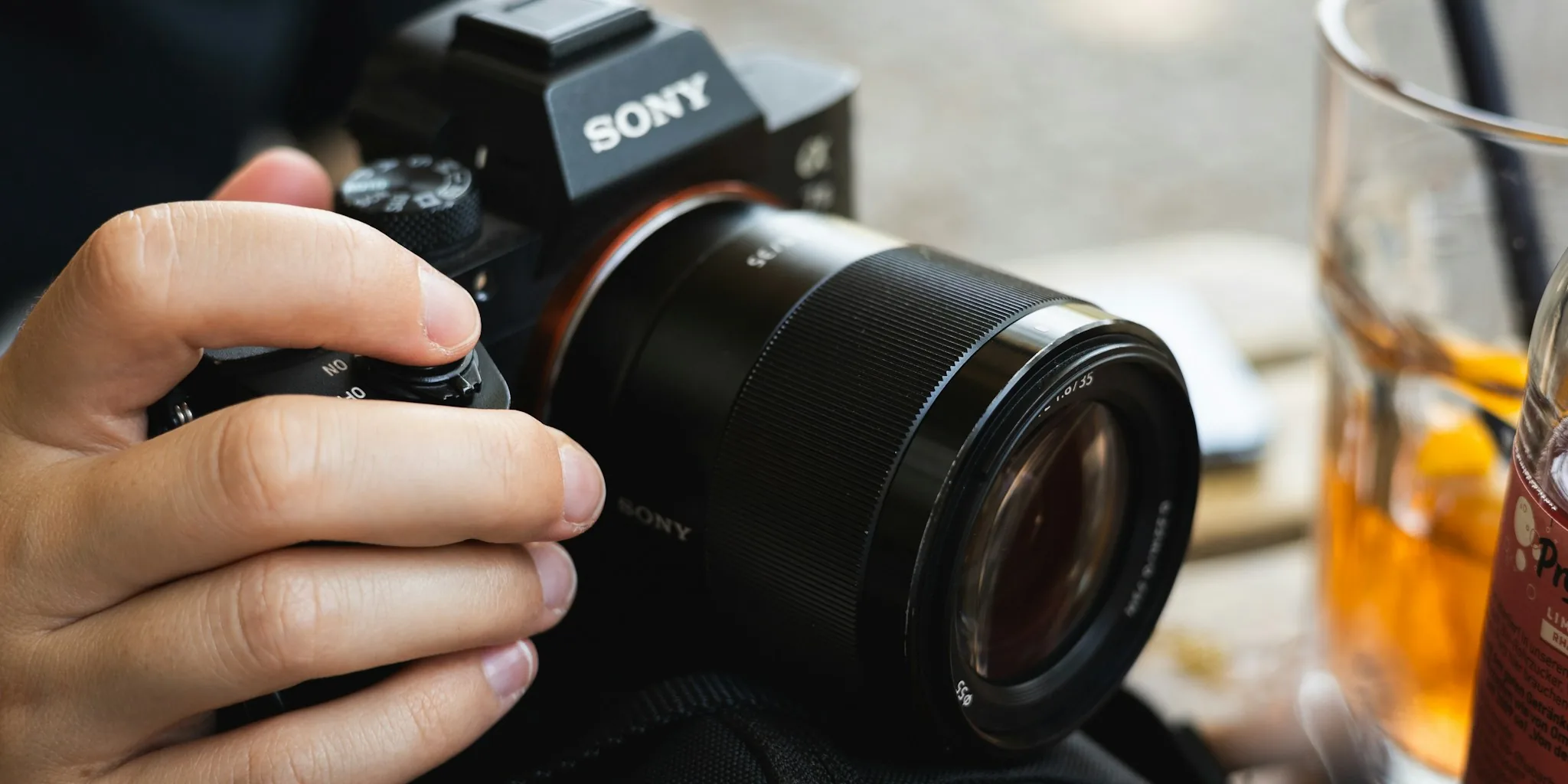
The camera market is experiencing an unexpected shift that’s reshaping how photographers think about older gear. Compact and mirrorless cameras from the late 2000s and early 2010s are commanding dramatically higher prices on the secondhand market, with some models appreciating fivefold in just three years. Used camera retailer MPB reports that demand for these pocketable, feature-rich models has surged, driven by a growing retro camera trend and renewed interest in cameras with genuine optical viewfinders and manual controls.
The Canon PowerShot G9 Phenomenon
The most striking example is the Canon PowerShot G9, released in 2007. This 12.1-megapixel compact camera weighs just 11.3 ounces and fits easily in a jacket pocket, yet it offers serious photographer features: full manual modes, a built-in neutral density filter, a hot shoe slot, and a durable metal body. Three years ago, you could sell this camera to retailers for approximately $45. Today, the same model fetches up to $225, representing a more than 400 percent increase in value.
The G9’s appeal lies in combining portability with capability. The 1/1.7-inch sensor and 6x zoom lens provide substantial creative control without the bulk of a full-size camera. Age does show in its limitations: burst speed maxes out at 1.5 frames per second, and video resolution tops out at 480p. Yet these shortcomings haven’t deterred buyers seeking a genuine alternative to modern compact cameras.
A Broader Market Revaluation
The G9 isn’t alone. Four Canon PowerShot models rank among the top ten most sought-after used cameras by price appreciation. The Canon PowerShot G7 X Mark II, predecessor to a viral social media phenomenon, now sells for up to $880, more than double its value from three years prior. The PowerShot G12, a 2010 model with a 10-megapixel sensor, articulating screen, and 5x zoom, commands prices up to $535. The slightly older PowerShot G11 also appears on MPB’s top ten list.
Mirrorless and interchangeable-lens compacts feature prominently in this market shift. Four mirrorless models rank among the ten biggest price gainers. The Olympus Pen series includes two entries: the E-P1 from 2009 and the E-PM2 from 2012. Both pack Micro Four Thirds sensors into remarkably compact bodies, appealing to photographers who want interchangeable-lens capability without the weight of DSLRs. The Panasonic Lumix DMC-GF3, another Micro Four Thirds body from 2011, shows similar appreciation. The Sony Alpha NEX-3N, an APS-C mirrorless camera from 2013, rounds out the mirrorless contingent on the list.
Beyond Canon’s dominance, the Panasonic Lumix DMC-LX5 represents the sole non-PowerShot compact on the top ten. This 2010 model features a 10.1-megapixel CCD sensor in a metal body with manual controls, hot shoe compatibility, and a wider f/2.0-3.3 aperture on its 3.8x zoom lens. Its video capabilities, maxing out at 720p, exceed many contemporary compacts from the same era. Cameras with true manual control and compact form factors continue attracting photographers willing to invest in secondhand options.
Understanding the Market Drivers
Several factors explain this unprecedented appreciation. First, photographers increasingly value optical viewing and tactile manual controls that modern smartphones and entry-level digital cameras don’t provide. Second, these cameras represent reliable, well-built equipment from an era before aggressive cost-cutting in electronics manufacturing became standard. Third, the retro aesthetic appeals to content creators and enthusiasts seeking distinctive visual characteristics that modern digital sensors don’t replicate.
The used camera market itself is growing. MPB reports recirculating 615,000 cameras, lenses, and accessories annually, up nine percent from the previous year. This expansion reflects broader consumer interest in quality secondhand electronics and sustainability concerns. Photographers find that buying pre-owned gear reduces waste while accessing professional-grade equipment at fraction-of-retail prices.
What This Means for Shoppers
For buyers, the implications are clear: if you’ve considered purchasing a compact mirrorless camera or advanced compact, the used market offers substantial savings compared to new entry-level mirrorless systems. Prices for decade-old models remain significantly lower than contemporary alternatives while delivering comparable image quality for most purposes. For sellers, holding onto older gear you planned to discard might prove more financially rewarding than expected.
However, buyers should approach older cameras with realistic expectations about performance. Slow autofocus, limited burst speeds, and lower video resolution were simply the standard when these cameras launched. What matters is whether those specifications align with your actual shooting needs. Many photographers find that older cameras’ limitations actually encourage more deliberate, thoughtful composition work.
The surge in secondhand camera values reflects a fundamental shift in how photographers view gear. Rather than chasing the latest specifications, an increasing number prioritize reliability, build quality, and the distinctive aesthetic character that cameras from fifteen to twenty years ago uniquely provide. Whether you’re selling vintage equipment you’ve owned for years or exploring the used market for your first serious camera purchase, understanding these market dynamics helps you make informed decisions.
About the author
Lawrence covers mirrorless and DSLR cameras for REMOVU, weighing image quality, autofocus, and lens ecosystems. He helps photographers choose a body they can grow with.