Nvidia GeForce RTX 5090 Production Halt: What This Means for GPU Shoppers
Major retailers marking flagship RTX 5090 as discontinued. What this means for your GPU upgrade plans.
 By Katrina Dean
Updated October 15, 2026
By Katrina Dean
Updated October 15, 2026

The Nvidia GeForce RTX 5090, once considered the ultimate graphics card for enthusiasts and professionals, has effectively vanished from the consumer market. Major retailers including Micro Center have reclassified the flagship GPU as “Not Carried,” signaling a significant shift in availability that extends far beyond typical out-of-stock situations. For shoppers searching for high-end graphics solutions, understanding what has happened and what it means for your buying options is now critical.
The RTX 5090 Disappears from Retail
Micro Center, one of North America’s largest computer retailers, recently reclassified the GeForce RTX 5090 from available inventory to “Not Carried” status across multiple store locations. This distinction matters considerably: a “Not Carried” label means the retailer no longer plans to restock the product, unlike an “out of stock” designation which typically indicates temporary unavailability. Employees at various Micro Center locations reportedly removed RTX 5090 units from shelves, with one customer account describing a store manager’s refusal to explain why cards were being pulled from the sales floor.
The situation has become so dire that the only RTX 5090 configuration available at most Micro Center stores is bundled exclusively with Asus ROG 20th Anniversary merchandise, pricing the total package at nearly $11,000. Individual card purchases have become virtually impossible through conventional retail channels.
Production Halt Rumors Gain Credibility

Persistent rumors circulating within hardware communities suggest Nvidia has halted manufacturing of the GeForce RTX 5090 altogether. While Nvidia has not formally confirmed a discontinuation, the company’s silence combined with widespread retail withdrawal lends considerable weight to these claims. The timing is revealing: employees reportedly cleared RTX 5090 inventory on October 9, just one day before the production cessation rumors began spreading online.
Custom partner models from manufacturers like Asus, MSI, and Gigabyte remain listed on retailer websites but show zero availability at physical store locations nationwide. This pattern indicates a coordinated supply shift rather than isolated stock depletion at individual locations.
Why Nvidia Might Be Shifting Strategy
Industry analysts suggest a logical business rationale behind the move. The GPU silicon powering the RTX 5090, known as GB202, commands significantly higher profit margins when channeled into Nvidia’s professional lineup rather than consumer gaming cards. Products like the RTX Pro 6000 Blackwell, RTX Pro 5500, and RTX Pro 5000 allow Nvidia to sell identical silicon at premium prices to enterprise and professional markets, where budgets are substantially larger and profit expectations are different.
From a manufacturer’s perspective, reallocating high-end silicon toward markets willing to pay steeper premiums represents sound financial strategy. However, this decision transforms the RTX 5090 from an attainable flagship into an aspirational halo product that most consumers cannot actually purchase.
What Shoppers Should Know Now
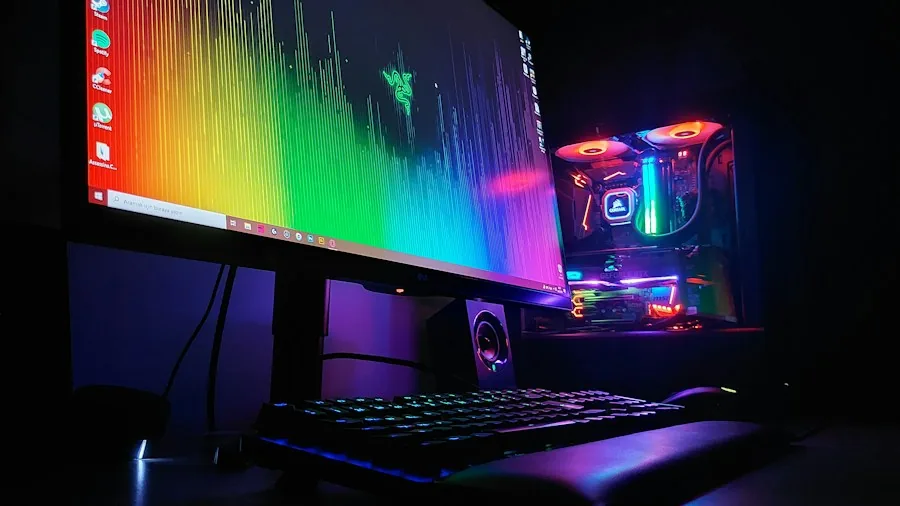
If you have been considering an nvidia geforce graphics card upgrade, several realities have shifted. The RTX 5090 transition signals that Nvidia may be deprioritizing ultra-high-end consumer products in favor of enterprise solutions. This strategy could influence future product lineups and release timelines for gaming-focused GPUs.
For gamers and content creators actively seeking powerful graphics solutions, the RTX 5080 now represents the most practical flagship option available through normal retail channels. Additionally, exploring graphics cards under $500 might reveal excellent performance-per-dollar alternatives that fulfill your computing needs without the frustration of hunting for unavailable flagship products.
The wider implication affects consumer expectations around GPU release cycles and product availability. Longer gaps between generational releases may become standard, and premium-tier products could face increasingly constrained supply as manufacturers optimize for higher-margin professional markets.
The Bigger Picture for GPU Buyers
This situation highlights how hardware manufacturer priorities influence what products actually reach consumer hands. The RTX 5090 demonstrates that flagship status no longer guarantees widespread availability or reasonable pricing. Instead, the path to purchasing cutting-edge graphics performance now requires either exceptional timing, access to exclusive bundles, or acceptance of stepping down to more readily available alternatives.
For those building systems, whether for gaming or productivity, flexibility in GPU selection has become essential. Nvidia’s apparent shift toward professional GPU channeling means enthusiasts should diversify their research beyond flagship models and evaluate mid-range and upper-mid-range options more seriously. The competitive landscape is evolving, and strategic shopping requires understanding manufacturer allocation decisions alongside traditional performance metrics and specifications.
About the author
Katrina covers graphics cards for REMOVU, tracking gaming performance, features, and value as prices shift with every launch. She helps builders find the right GPU for their resolution and budget.