Apple Silicon Breakthrough: How Idle Macs Are Powering AI Workloads for Shoppers
How Apple's Minions system turns idle Macs into a virtual GPU network that slashes AI processing wait times from hours to minutes.
 By Kylie Fields
Updated October 14, 2026
By Kylie Fields
Updated October 14, 2026
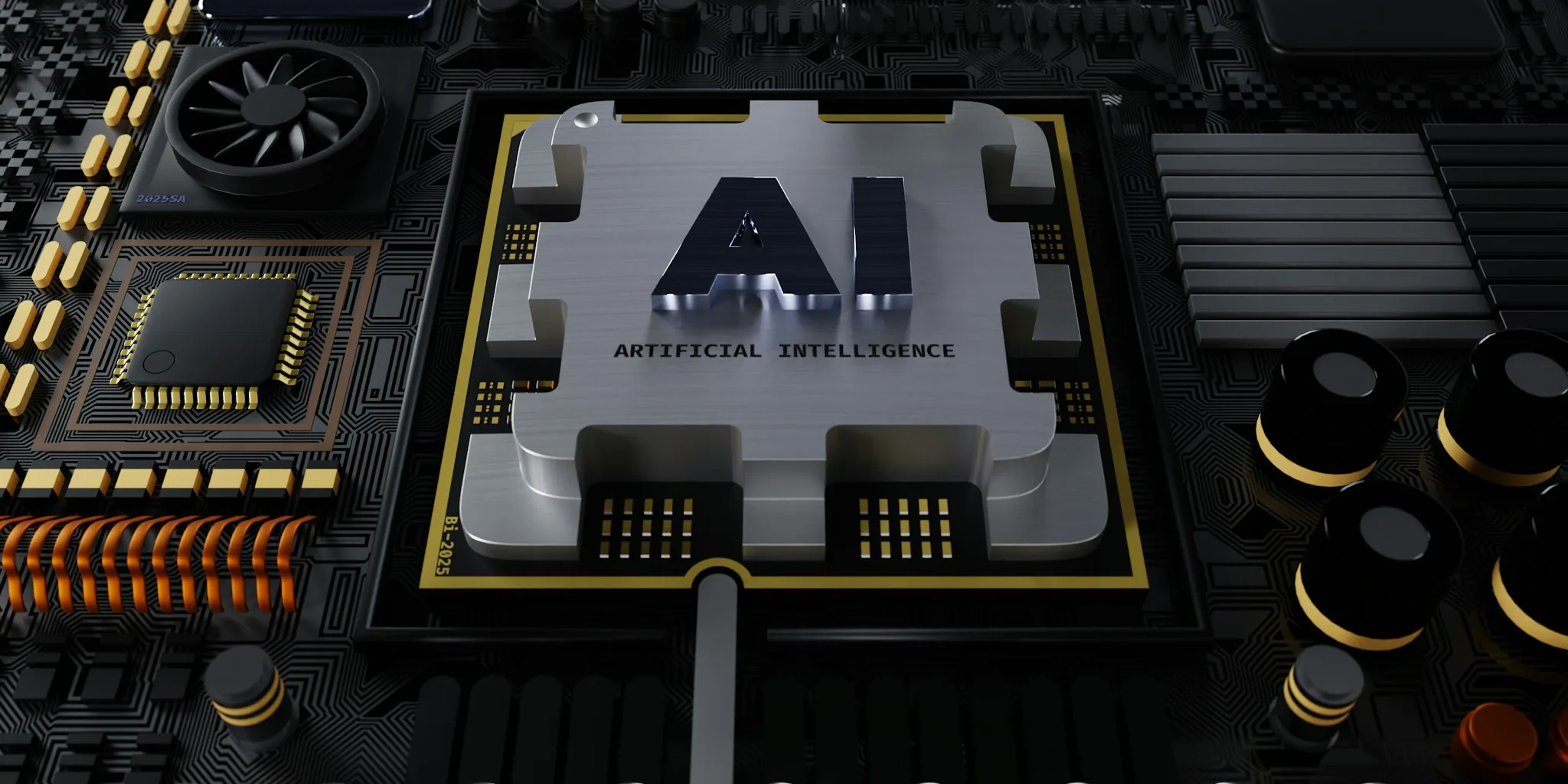
Apple’s approach to artificial intelligence infrastructure is shifting in ways that could influence how consumers think about Mac purchases and AI capabilities. Researchers at the company have developed an internal system called Minions, a distributed computing network that repurposes idle Macs to handle AI inference tasks. This discovery offers insight into how the company is managing the growing computational demands of machine learning while keeping costs efficient.
What Minions Actually Does
The Minions system functions as a virtual GPU cloud built from dormant Mac computers across Apple’s internal network. Instead of letting machines sit unused during off-peak hours, the infrastructure channels them toward AI workload processing. The system breaks down AI tasks into smaller subtasks, distributes them to available Macs, and reassembles the results. This approach has proven remarkably effective: some AI jobs that previously faced wait times exceeding ten hours in traditional GPU queues now complete in minutes.
The architecture relies on three key components. A Minion Server divides incoming work into manageable subtasks stored in a database. Individual Minion Executors on each Mac pull these subtasks and perform the actual computing work. A Minion Watchdog monitors whether machines remain active, requeuing work if a Mac loses network connection, enters sleep mode, or a user reclaims the device for personal use.
How It Works in Practice
The system leverages Apple Silicon specifically for AI inference, which is the type of work Minions currently supports. Two primary job categories run on the network: embedding tasks using open-source transformer models from Hugging Face, and text generation through large language models via Ollama. Each participating Mac downloads input data from cloud storage, retrieves the necessary model if needed, processes the computation on its local GPU using unified memory, and returns results to storage.
Participation occurs informally, with Apple team members requesting colleagues to activate the Minion Executor for specific projects through internal messaging. The system allows customization so that Mac owners can prioritize certain projects or rely on a standard first-come, first-served approach. Importantly, each Mac runs an entire model independently rather than splitting models across devices, which aligns with how enthusiasts operate similar processor architectures in personal AI setups.
What This Means for Computing Supply
Apple explicitly acknowledges in its financial filings that computing capacity represents a significant constraint for AI development. The company faces challenges with component supply chain limitations, extended delivery schedules, and rising hardware costs. The sudden surge in Mac demand following the announcement of AI-focused products created supply shortages, with some models requiring months to reach customers. By activating idle Mac GPUs internally, Apple reduces its dependence on purchasing additional expensive hardware or expanding data center infrastructure.
This approach eliminates several costs associated with traditional GPU resource management. New infrastructure requests become unnecessary, operational expenses drop substantially, and scaling happens organically rather than requiring manual expansion. The system also removes the wait time burden that had been accumulating for researchers and engineers relying on shared GPU pools.
Addressing Privacy and Security Concerns
One challenge the system addresses is confidentiality. Teams within Apple expressed concerns about their proprietary work running on machines outside their direct control. The infrastructure mitigates this through team and organization-scoped deployments, with separate databases and isolated Mac pools for different divisions. This architectural approach ensures that sensitive research remains compartmentalized even as computational work distributes across the broader network.
Future Expansion Possibilities
Researchers suggest that Minions could eventually extend beyond inference tasks to support distributed model training, a significantly more complex undertaking. Looking further ahead, the system could theoretically scale across organizational boundaries, potentially creating a shared global GPU resource pool if security and federated computing challenges are resolved. This vision represents a dramatic departure from traditional centralized GPU farms, though implementation would require substantial advances in secure computing protocols.
The parallel to volunteer computing models like SETI@home and Folding@home is evident. By distributing work to idle machines, Apple applies a proven distributed-computing philosophy to modern AI challenges. What distinguishes Minions is its integration with consumer-grade computing devices and its operational efficiency gains within a controlled corporate environment.
What Consumers Should Understand
For shoppers considering Mac purchases, this development suggests that Apple is actively expanding the computational value of its devices. Mac computers equipped with Apple Silicon now potentially contribute to company-wide AI infrastructure beyond individual productivity. While Minions operates as an internal system inaccessible to individual consumers, it demonstrates Apple’s commitment to maximizing the efficiency of its silicon architecture.
The research also indicates that Apple is pursuing multiple strategies to address AI compute demands. Beyond Minions, the company has integrated Nvidia GPUs into its Private Cloud Compute service through Google Cloud infrastructure, acknowledging that internal resources alone cannot meet current requirements. This hybrid approach combines edge computing on devices with cloud-based acceleration for complex requests.
As AI capabilities become increasingly central to computing product decisions, understanding how companies manage these workloads provides context for evaluating Mac performance and value. The Minions system reveals a company actively innovating beyond traditional hardware specifications, exploring how existing installed bases of computers can participate in advancing artificial intelligence capabilities.
About the author
Kylie covers processors for REMOVU, balancing core count, clock speed, and platform cost against what readers actually run. She helps builders pick a CPU that fits their workload and budget.