Google Play Store Redesign Rolling Out to Connected Cars: What Shoppers Need to Know
Google's redesigned car Play Store adapts to any screen and brings YouTube streaming, new apps, and improved navigation.
 By Ava Herrera
Updated October 13, 2026
By Ava Herrera
Updated October 13, 2026
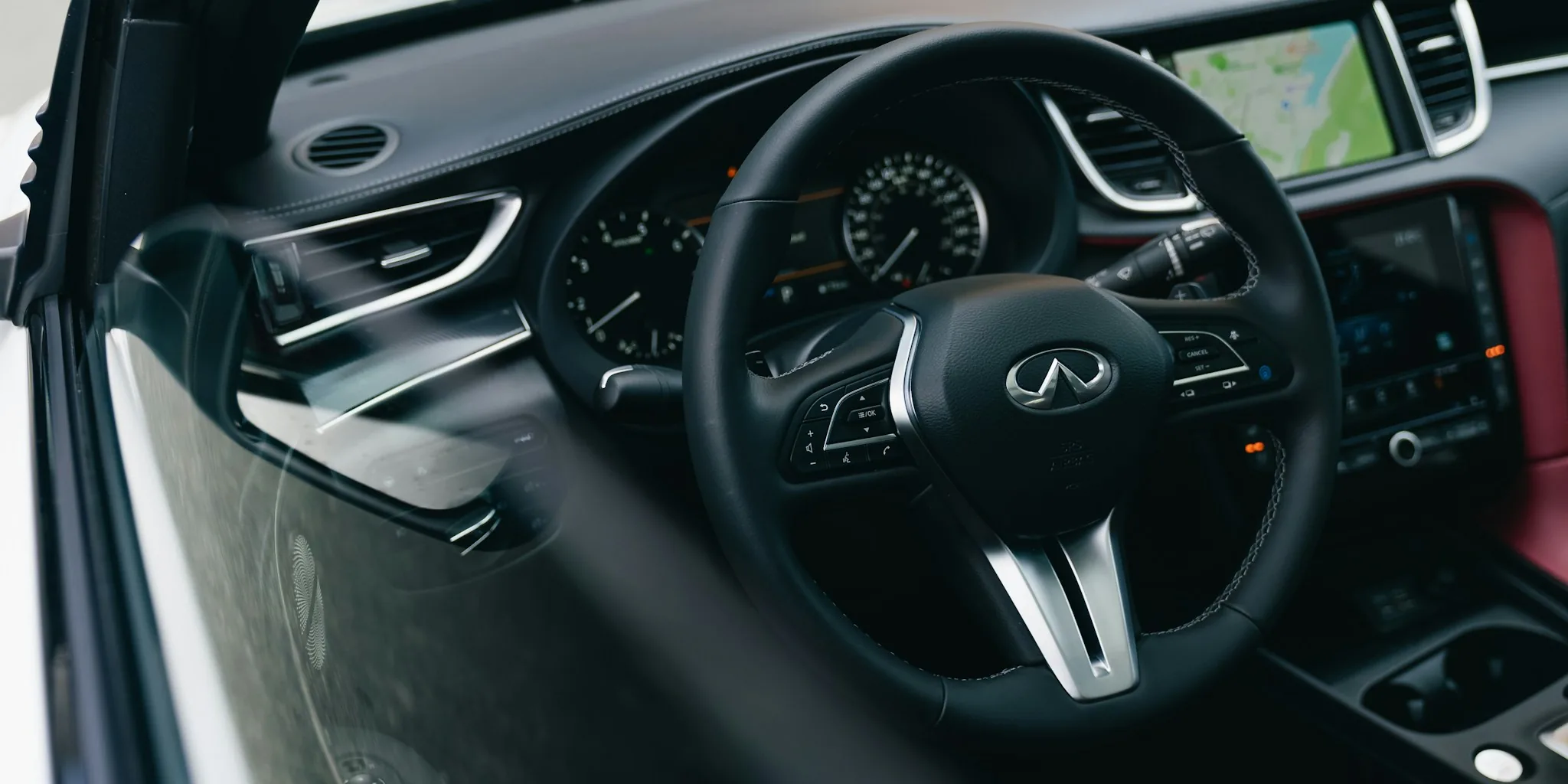
Google announced a significant update to its Play Store interface designed specifically for vehicles with Google built-in technology. The redesigned marketplace is rolling out over the coming weeks and brings a completely reimagined layout that automatically adjusts to different car screen sizes and orientations.
What is changing in the car Play Store
The updated Play Store introduces a layout that responds intelligently to your vehicle’s display dimensions. Whether your car has a traditional horizontal screen or a newer vertical one, the interface will adapt accordingly. The new design places featured applications directly on the homepage, allowing drivers and passengers to download apps with just a single tap rather than navigating through multiple menus.
Google has restructured the navigation system for improved usability inside vehicles. The left sidebar now displays key categories including Apps, Games, Search, and More options. For vehicles with vertical screens, these same options shift to the top of the display, ensuring consistent navigation regardless of your car’s screen orientation.
New apps arriving in your vehicle
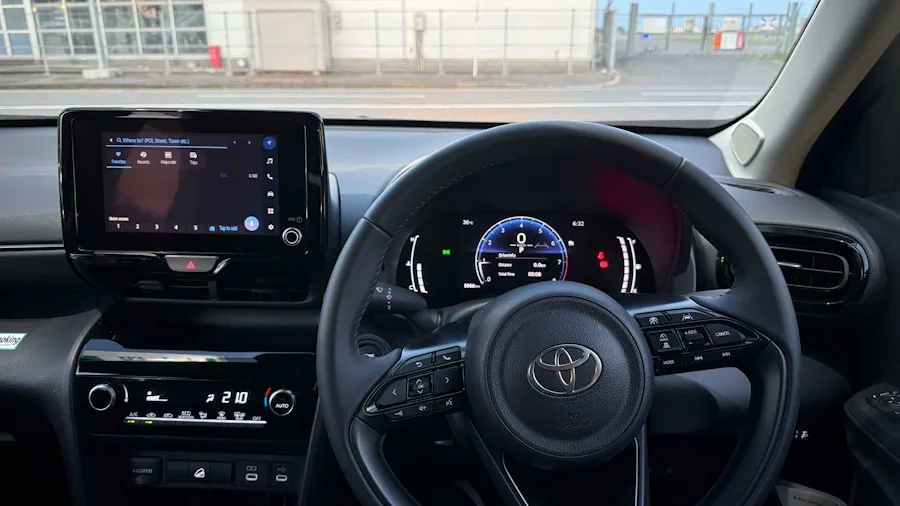
Beyond the interface overhaul, Google is introducing several new applications available to drivers and passengers while the vehicle is parked. Starz, Firefox, Ludo King, and JioHotstar are among the latest additions to the growing library of apps for connected vehicles. This expansion reflects Google’s commitment to offering entertainment and utility options that complement traditional infotainment features.
A particularly noteworthy feature for YouTube Premium subscribers involves video and audio playback. Subscribers can now watch YouTube videos on their dashboard while parked, and importantly, continue listening to the audio while driving. This audio-only functionality addresses safety concerns while still delivering entertainment value during commutes.
Understanding cars with Google built-in
It’s important to distinguish between two Google automotive technologies. Cars with Google built-in allow vehicle manufacturers to integrate Google’s suite of services and native Android app support directly into their vehicles’ operating systems. This differs from Android Automotive, Google’s dedicated infotainment platform.
The Play Store update applies specifically to vehicles running Google built-in technology. Google initially introduced this automotive integration to the Polestar 2 before expanding availability to the Honda Accord Touring in 2023. Since then, the technology has spread to additional manufacturers, creating a growing ecosystem of connected vehicles.
Recent improvements to vehicle software
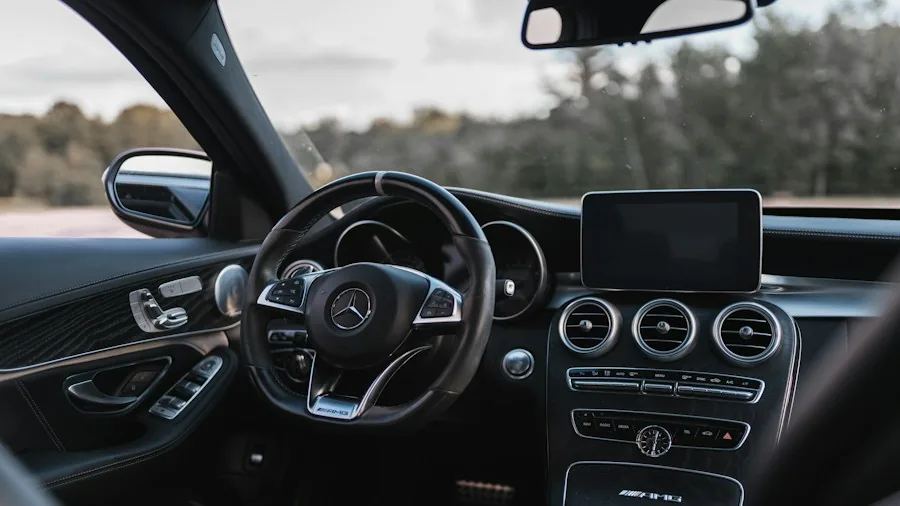
The Play Store redesign represents just one of several enhancements Google has made to its automotive software platform. The company recently completed a significant transition by replacing Google Assistant with Gemini AI across supported vehicles from major manufacturers including Ford, GM, Honda, Nissan, and Volvo. This shift brings more advanced conversational capabilities and improved functionality to voice-activated vehicle controls.
Google has been methodically expanding both the app library and feature set available in connected vehicles. Each update brings new tools and entertainment options that enhance the in-car experience for both drivers and passengers. The gradual rollout approach allows the company to test compatibility across different vehicle models and screen configurations.
What this means for car shoppers
For consumers considering a vehicle purchase, the improving Play Store ecosystem represents an increasingly compelling reason to prioritize models with Google built-in technology. As the application library grows and the interface becomes more sophisticated, the entertainment and utility value of your vehicle’s infotainment system continues to increase.
Drivers who already own connected vehicles can expect to see the new Play Store interface arrive within the coming weeks. The automatic screen adaptation means the update will work seamlessly whether your vehicle has a conventional dashboard display or a more modern vertical screen orientation. Like other significant software upgrades, the rollout will occur gradually across the supported vehicle fleet.
The combination of improved navigation, additional applications, and enhanced video streaming for Premium subscribers signals Google’s ongoing investment in automotive technology. For those shopping for vehicles or evaluating aftermarket infotainment solutions, staying informed about these developments helps ensure your car’s technology meets your entertainment and connectivity needs for years to come. Understanding these improvements allows you to make better decisions about which vehicles and technology platforms align with your preferences.
About the author
Ava is REMOVU's laptop writer, balancing speed, battery life, and build quality against price across the whole range. She helps readers find the sweet spot as each new chip shifts what a dollar buys.