Power Bank Buying Guide: What New USB-C Models Mean for Shoppers in 2025
Discover why USB-C power banks matter now and which features deliver real value for travelers and daily users.
 By Adrian Rogers
Updated October 11, 2026
By Adrian Rogers
Updated October 11, 2026
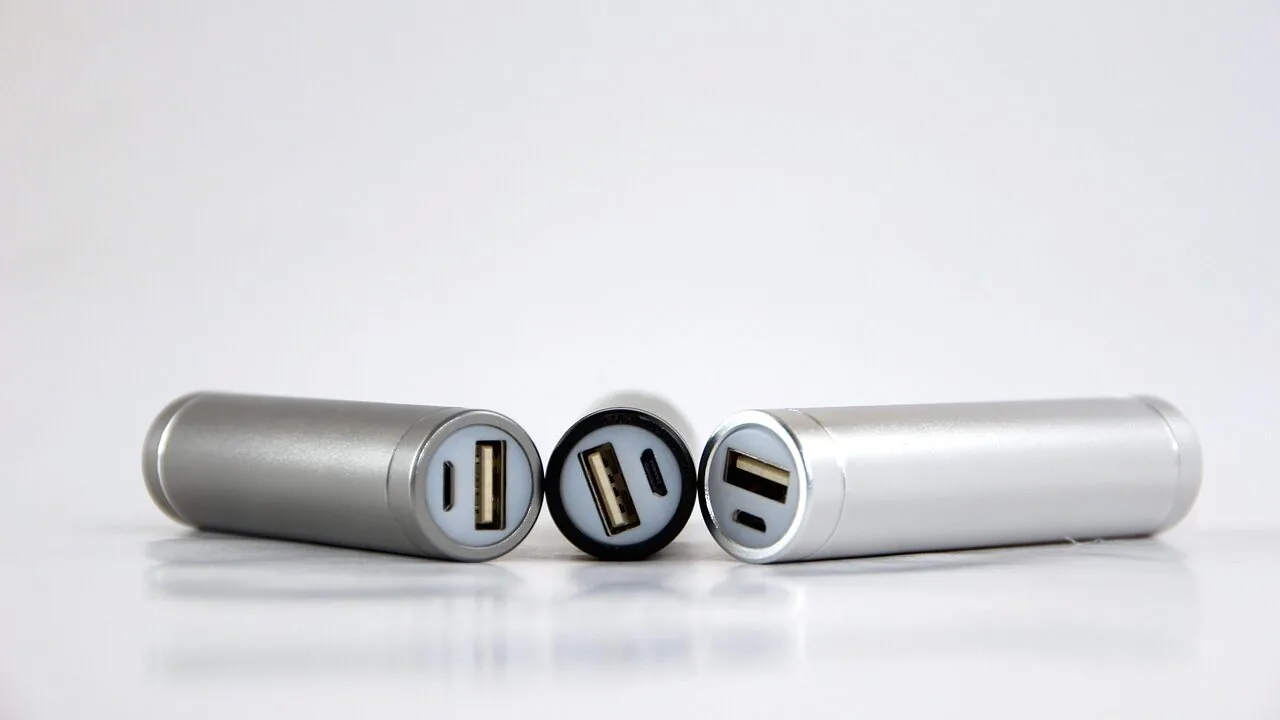
The landscape of portable charging has shifted dramatically as more manufacturers release USB-C power banks designed to meet modern device needs. If you’ve been considering a mobile charger upgrade or shopping for a gift, understanding what’s driving these new releases can help you make a smarter purchase decision.
Why USB-C Power Banks Matter Now
USB Type-C has become the standard connection port across smartphones, tablets, and laptops. Major phone manufacturers, including Apple and Samsung, have integrated USB-C charging into their latest device lineups. This shift means consumers increasingly need power banks that support fast USB-C charging rather than older micro-USB standards.
A quality power bank solves a real problem: keeping your devices charged when you’re traveling, commuting, or spending extended time away from electrical outlets. Whether you’re on a road trip, attending back-to-back meetings, or simply moving between locations throughout your day, a portable charger provides peace of mind and uninterrupted access to your devices.
Key Features to Prioritize

When evaluating modern power banks, capacity and charging speed are the two most important specifications. Battery capacity is measured in milliamp-hours, or mAh. Higher capacity means more charges per cycle, though it also increases the size and weight of the device.
Charging speed, typically measured in watts, determines how quickly the power bank can recharge your devices. Current models support up to 45W fast charging, which can bring a smartphone from completely drained to 50% charge in roughly 25 to 30 minutes. This matters significantly if you need a quick battery boost between activities.
The presence of multiple output ports is another practical consideration. Power banks with both USB-C and USB-A outputs let you charge two devices simultaneously, which appeals to people carrying multiple gadgets like a smartphone and wireless earbuds.
Design and Portability
Today’s best power banks for every budget prioritize compact, lightweight designs. A power bank you’ll actually carry in a backpack or purse is more useful than one that stays at home. Many newer models weigh just a few ounces and fit comfortably in a jacket pocket.
Some premium options include built-in retractable cables, eliminating the need to pack a separate charging cord. This integrated cable typically withstands tens of thousands of bends, making it durable enough for frequent travel and daily use. A sleek metallic or matte finish appeals to people who prioritize aesthetics alongside functionality.
Battery Indicators and User Experience
Digital battery indicators have become standard features on quality power banks. These displays show the remaining charge percentage, helping you decide whether a recharge is necessary before heading out. Some models use simple LED lights that illuminate to indicate battery status, while others feature full digital screens.
Quick recharge times are equally important. A power bank that takes only two hours to fully recharge from empty gives you flexibility in how you manage your charging routine. Automatic shutoff features that activate after prolonged inactivity help preserve battery health and reduce wasted energy.
Who Benefits Most
Frequent travelers gain obvious advantages from portable chargers, but they’re equally valuable for remote workers, students, and outdoor enthusiasts. Anyone who spends hours away from wall outlets benefits from extended device runtime. Parents often appreciate having a backup charger for their children’s tablets and smartphones during outings.
Gaming enthusiasts and content creators who rely on smartphones or tablets for work especially value high-capacity models with fast charging. The ability to keep devices topped up throughout a workday prevents productivity interruptions.
Price and Value Considerations
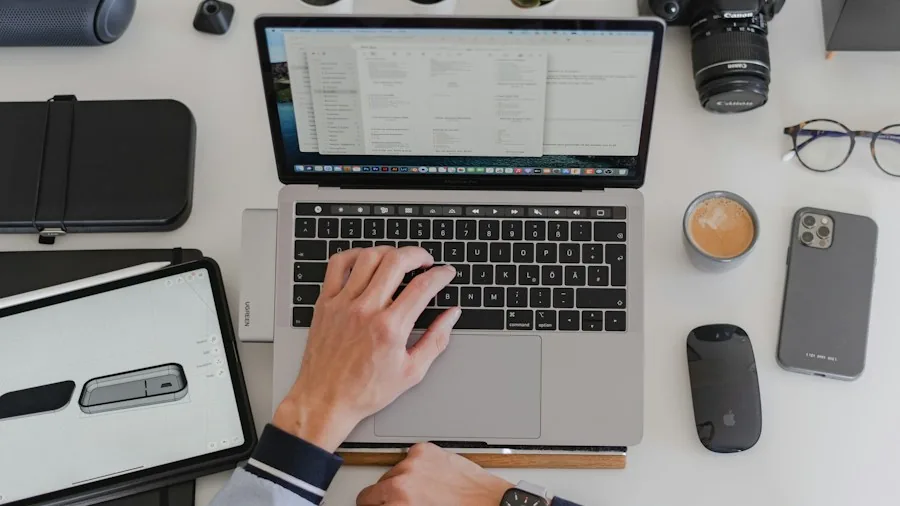
Power banks range from budget-friendly options around $20 to premium models exceeding $100. Mid-range options between $50 and $75 typically offer the best balance of capacity, charging speed, and build quality. Travel-focused power banks often fall into this price range and include thoughtful features like compact form factors and durable construction.
Reading verified customer feedback helps identify which models deliver real-world performance matching manufacturer claims. Look for consistent mentions of fast charging, durability, and reliable performance across extended use. Warranty coverage and manufacturer support matter when purchasing an electronic device you’ll rely on regularly.
Looking Ahead
As USB-C adoption accelerates across consumer electronics, power bank designs will continue evolving toward faster charging speeds and improved efficiency. Current models hitting the market represent mature technology with proven reliability and practical features that solve everyday charging challenges.
Whether you prioritize maximum capacity for multi-day trips, ultra-fast charging for quick top-ups, or simply need a compact backup charger for daily outings, the current selection of USB-C power banks offers options for virtually every lifestyle and budget. Understanding these key factors positions you to make a purchase aligned with your specific needs and usage patterns.
About the author
Adrian writes about power banks for REMOVU, balancing capacity, charging speed, and pocketability for phones and laptops. He helps readers stay topped up without carrying a brick.