Security Camera Laser Damage: What Shoppers Need to Know Before Installing
Lasers can permanently damage camera sensors. Learn what shoppers need to know before installing surveillance.
 By Phyllis Holmes
Updated October 11, 2026
By Phyllis Holmes
Updated October 11, 2026
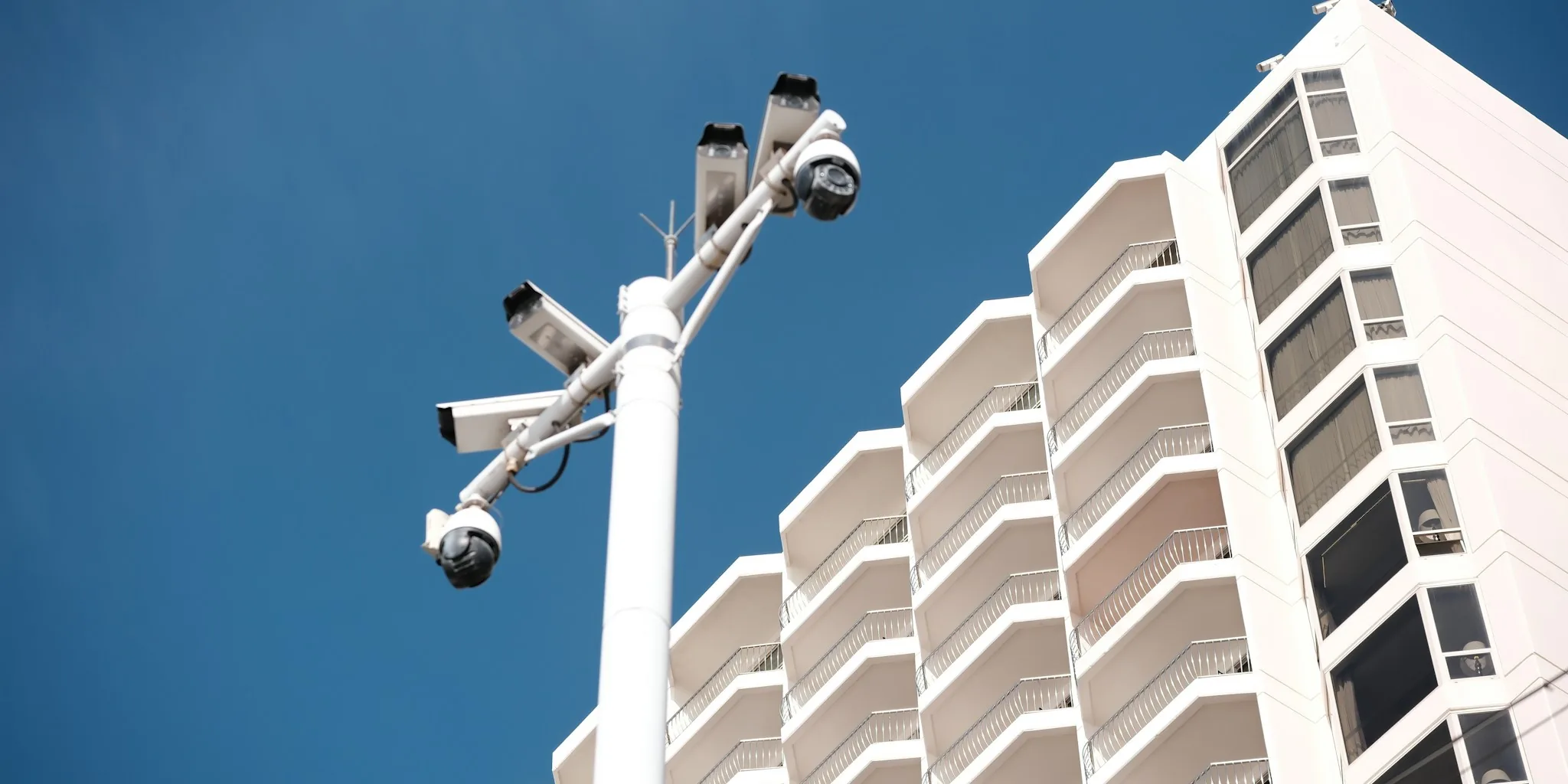
Security cameras have become essential for protecting homes and businesses across the country. However, a growing concern among property owners is the potential threat that laser pointers pose to surveillance equipment. Understanding how lasers can affect your security system is crucial before making a purchase decision or installation plan.
How Laser Pointers Affect Security Cameras
Laser pointers can create significant problems for security cameras by overwhelming the device’s image sensor with concentrated light. Unlike ordinary light sources that spread out naturally, laser beams maintain their intensity over considerable distances, making them particularly problematic for surveillance equipment. When a laser beam strikes a camera’s sensor, it can produce intense glare, bright spots, or noticeable distortion in the recorded image while the exposure occurs.
The damage potential extends beyond immediate visual disruption. Depending on the laser’s power level and the duration of exposure, a camera’s sensor can suffer permanent damage that persists long after the laser is no longer present. This permanent damage may appear as persistent spots, lines, or other defects that compromise image quality indefinitely. While temporary sensor saturation may resolve once the bright light disappears, lasting harm requires professional repair or equipment replacement.
Understanding the Real Risks
Many property owners assume they only need to worry about direct laser exposure. However, reflected laser light poses an equally serious threat. A beam bouncing off glass, metal, or other reflective surfaces can damage a camera’s sensor with the same intensity as direct exposure. Remarkably, this damage can occur even when the camera is powered off, meaning lasers in surrounding areas present a constant risk to unprotected equipment.
The concentrated nature of laser light makes its danger difficult to assess by appearance alone. A laser’s visible brightness does not accurately reflect its potential for causing damage, since different wavelengths can appear brighter or dimmer while carrying identical power levels. This disconnect between perceived brightness and actual danger means that even relatively modest-looking laser pointers can inflict serious harm on sensitive camera equipment.
Why Laser Protection Matters for Shoppers
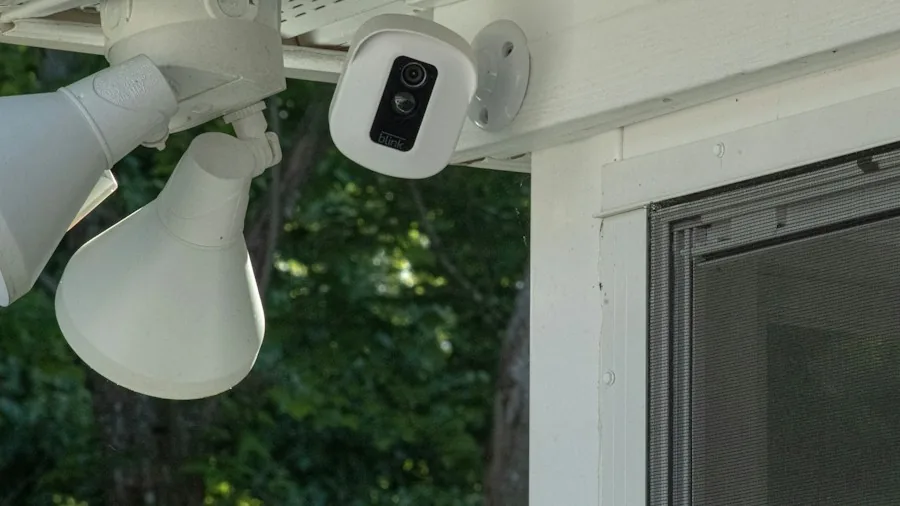
When evaluating indoor security cameras or outdoor models, consider whether the devices include protective features or designs that minimize laser vulnerability. Some manufacturers design cameras with lens protection or hardened sensors to reduce damage risk. The lens itself plays a critical role, as keeping it protected when lasers are present in the surrounding environment becomes essential for long-term reliability.
For homeowners planning security camera installations, the location and surroundings matter significantly. If your property is in an area where laser pointer use occurs, prioritizing cameras with reinforced optics or protective housings becomes a practical concern. Understanding these vulnerabilities allows you to make informed choices about which systems best suit your specific environment and risk profile.
The Broader Context of Laser Technology
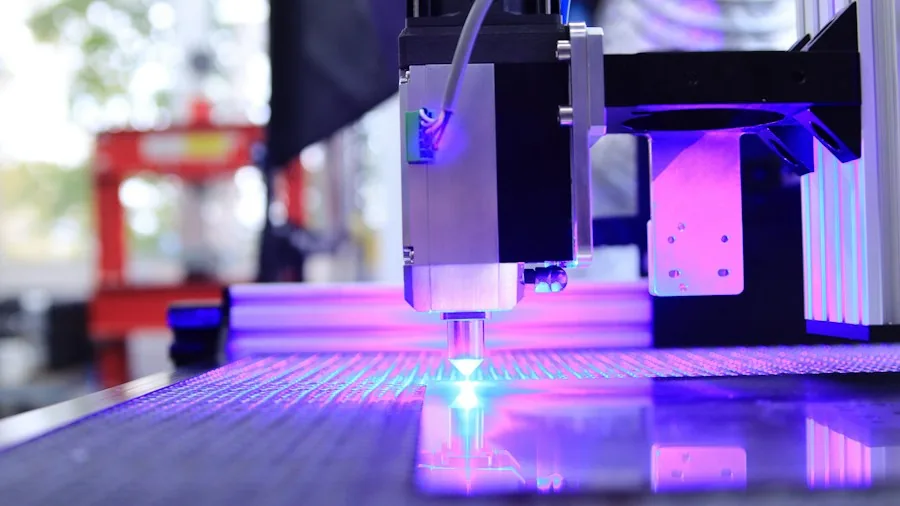
While laser pointers can damage cameras, lasers themselves are not inherently bad for surveillance equipment. In fact, many modern cameras incorporate built-in laser technology to enhance functionality. These integrated lasers assist with autofocus capabilities by measuring distance to subjects, improving image sharpness and clarity. Some systems also use laser distance measurement to record spatial data within image files or estimate area dimensions shown in footage.
The danger associated with external laser pointers stems entirely from their misuse and the concentrated power they direct at sensitive equipment. For outdoor security cameras and other surveillance installations, this distinction underscores why proper equipment selection and protective placement strategies matter.
Protecting Your Investment
As a consumer evaluating security camera options, ask manufacturers about laser resistance specifications and protective features. Quality camera systems should include information about sensor protection and material durability. Installation positioning also provides a layer of protection: mounting cameras where they are less exposed to surrounding areas where laser pointers might be used reduces risk significantly.
Beyond equipment damage, it is worth noting that laser pointers pose broader safety concerns. Beams that reach human eyes can cause temporary vision problems or, in cases of more powerful lasers, lasting eye injuries. This risk is particularly serious for drivers or pilots. Understanding these hazards reinforces why laser pointer safety matters for your entire community, not just your camera equipment.
By recognizing how lasers interact with modern surveillance technology, shoppers can make smarter decisions about security camera selection and installation. Choosing systems with appropriate protective features and understanding your environment’s specific risks ensures your investment delivers reliable protection for years to come.
About the author
Phyllis writes about security cameras for REMOVU, comparing video quality, smart alerts, and fair storage costs. She helps readers pick indoor and outdoor cameras they can rely on.