iPhone vs DSLR Camera for Photography: Why Older Tech Still Wins for Serious Shoppers
Why a 16-year-old DSLR still outperforms modern smartphone cameras for photography
 By Eleanor Garcia
Updated October 10, 2026
By Eleanor Garcia
Updated October 10, 2026
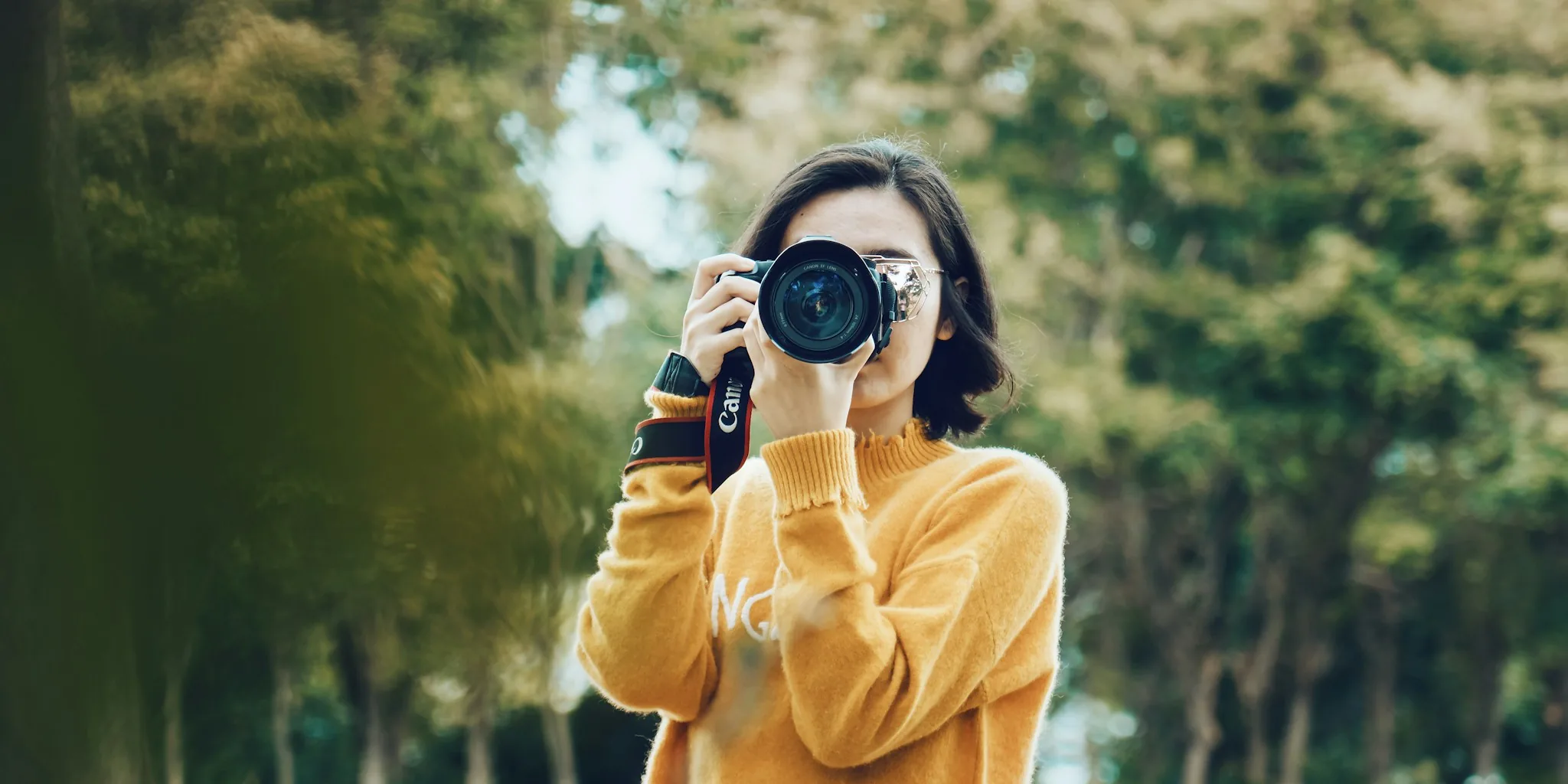
Apple has made smartphone photography incredibly accessible, but a surprising reality persists: even older dedicated camera equipment can outperform the latest iPhone models for genuine photography work. Understanding this distinction matters if you’re deciding how to invest in imaging technology.
The Smartphone Advantage and Its Limits
Every smartphone owner knows the appeal. Your device is always in your pocket. When an unexpected photo opportunity appears during your day, you can instantly capture the moment. The iPhone delivers acceptable results with zero learning curve. Point, tap, and you have a usable image within seconds.
However, this convenience comes with invisible engineering: the phone’s processor applies automatic adjustments, filters, and computational photography algorithms to create its final image. The iPhone uses artificial intelligence to guess what details should exist in dark areas, applies digital smoothing for low-light situations, and optimizes color and contrast without your input. This automation produces reliable everyday snapshots but fundamentally differs from traditional photography.
Why Older Dedicated Cameras Still Matter
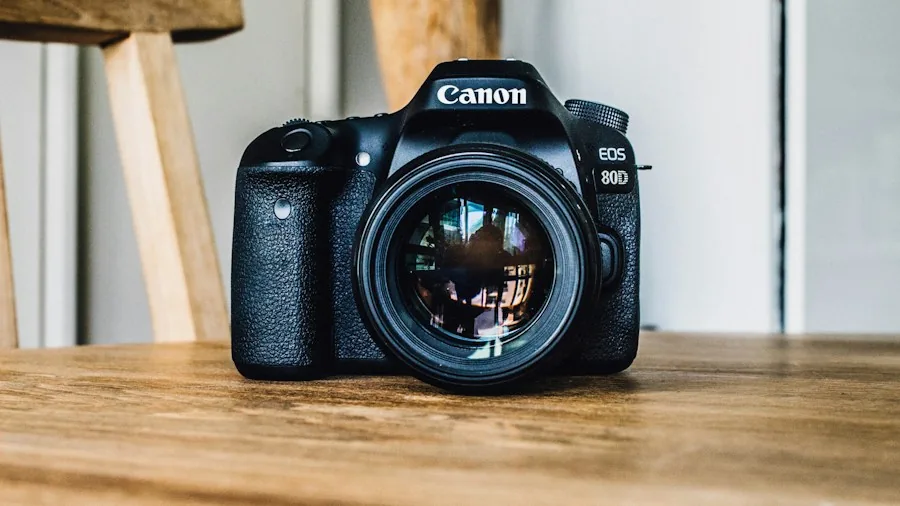
Consider a Canon DSLR from 2010, now available on the secondhand market for roughly the cost of a budget smartphone. This 16-year-old camera contains an 18-megapixel APS-C sensor, which is physically much larger than any smartphone sensor. Size matters enormously in photography because larger sensors collect more light information directly from the scene. The camera uses quality optical glass rather than relying on computational guessing.
The results feel more authentic. You see what was actually there, not what an AI algorithm predicted should be there. The image requires more work from the photographer, but delivers control that no automatic system provides. Manual adjustments to aperture, shutter speed, and ISO produce visible effects immediately, teaching photography fundamentals in a way point-and-shoot devices simply cannot.
Sensor Size and Optical Quality
The physics are straightforward. A larger sensor captures more light and records finer detail. A dedicated camera’s lens uses multiple glass elements engineered specifically for optical performance, without the tradeoffs needed to fit technology into a phone body. An older DSLR with its standard 18-55mm lens still outperforms modern smartphone photography in side-by-side comparison because the underlying hardware is fundamentally different.
For anyone learning photography, this advantage extends beyond image quality. An eyelevel viewfinder on a DSLR removes distractions. You see only the frame you’re composing, unlike a phone where notifications, apps, and connectivity interrupt your focus. This mental clarity improves photographic decision-making.
Weight, Portability, and Accessibility
Modern wireless accessories for iPhone users continue expanding smartphone functionality, yet they don’t address the core imaging advantage of dedicated equipment. A used DSLR body weighs only 530 grams with battery, making it genuinely portable for serious photographers. The secondhand market prices these cameras competitively because they reliably produce excellent results, even as newer models arrive.
This affordability opens photography education to more people. Students and hobbyists can own a fully-featured interchangeable lens system for the price of an entry-level iPhone. They gain the ability to change lenses, adjust every setting manually, and develop genuine photographic skill rather than relying on computational assistance.
The Processing Question
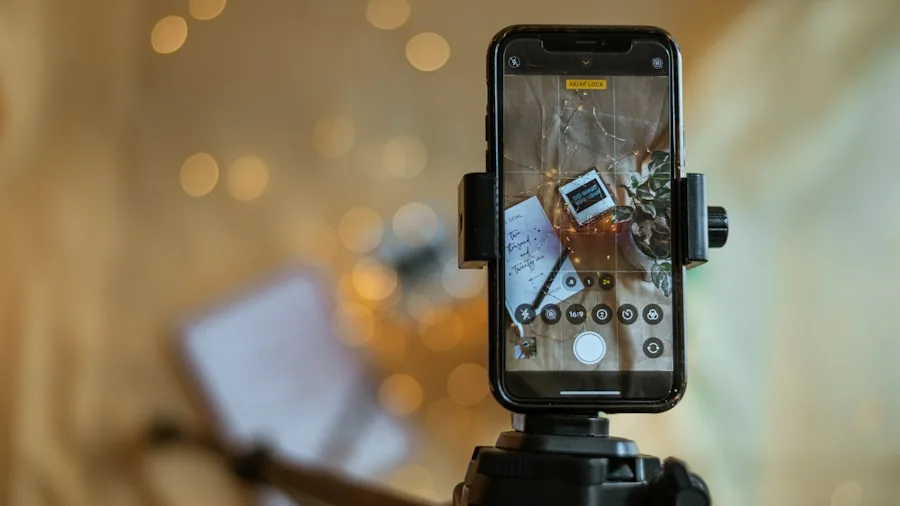
When an iPhone captures a photo, processing happens automatically and invisibly. Contrast gets boosted, shadows get lifted through computational recovery, and colors get saturated. The image looks polished immediately because algorithms ran before you even saw the result.
A DSLR hands you the raw visual information. Adjusting contrast, recovering shadow detail, and refining color becomes your choice. Yes, this requires learning. But that learning transforms someone from a user of camera technology into a photographer who understands light, composition, and visual intention.
Modern Reality for Shoppers
The iPhone remains the right choice when you need a camera that’s always available and requires zero technical knowledge. But if you’re specifically interested in photography as a skill or craft, or if you want images that reflect what you actually saw rather than what computational algorithms predicted, older dedicated cameras offer superior technology at lower prices than ever before.
The used camera market is thriving because these older instruments still deliver professional-quality results. A 2010-era DSLR will remain superior to any smartphone for true photographic work, regardless of how many processor upgrades Apple releases. Understanding this difference helps consumers choose equipment based on actual needs rather than marketing claims. Smartphone accessories continue to expand, but they can’t replace the optical and sensor advantages of dedicated camera hardware.
About the author
Eleanor covers smartphones for REMOVU, balancing cameras, battery life, and software support against price. She helps readers find the best value as the field shifts with every release.