New Retro Mirrorless Camera Dominates Japanese Sales Charts What Buyers Need to Know
A redesigned compact camera shocked the market by outselling established competitors within days of announcement.
 By Lawrence Hale
Updated October 7, 2026
By Lawrence Hale
Updated October 7, 2026
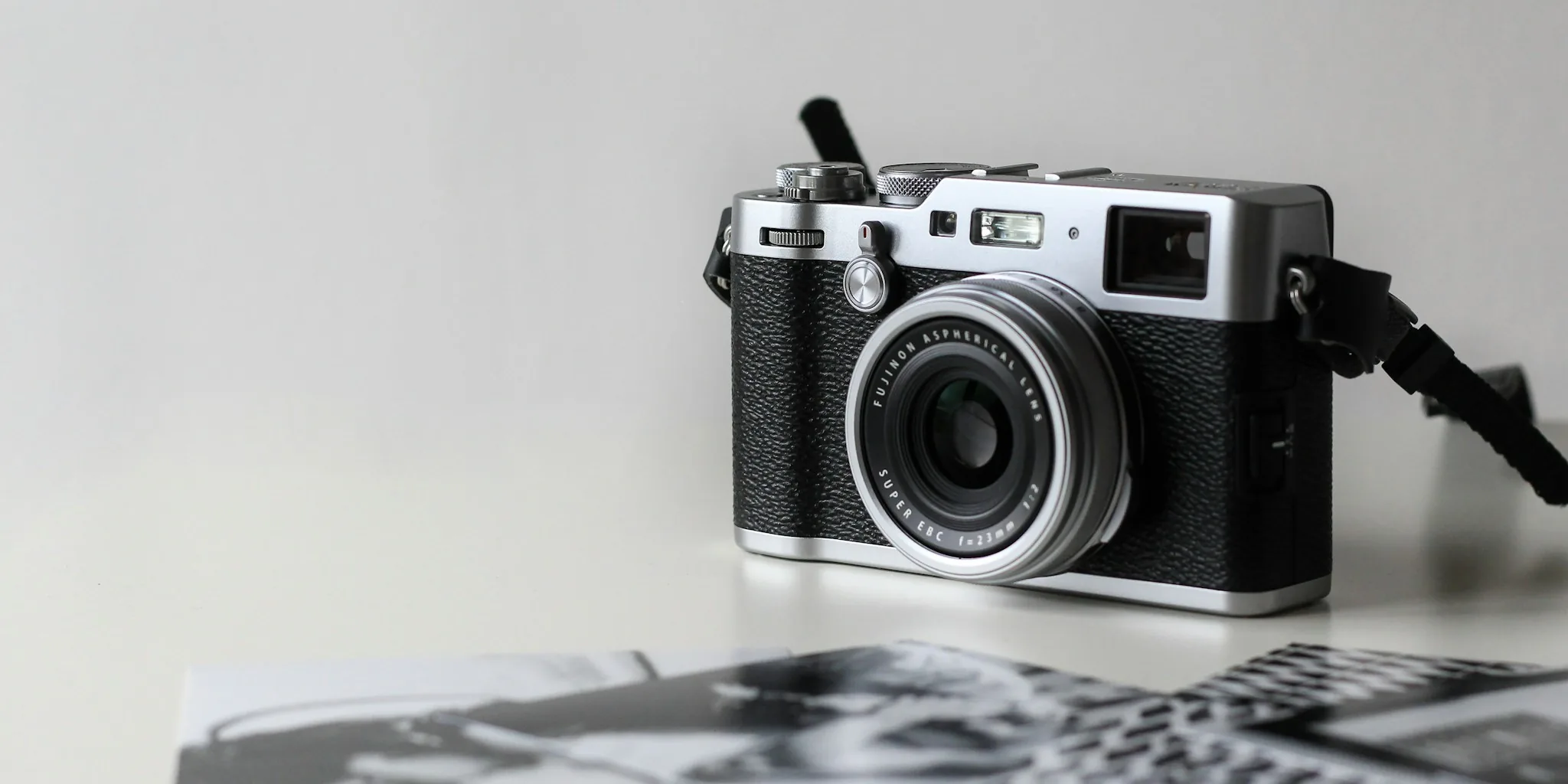
The camera market just witnessed a remarkable surge in interest when a revived compact mirrorless camera rocketed to the number two spot on Japan’s best-selling models within days of its announcement. The OM System PEN, a nostalgic redesign of a legendary camera series, has captured photographer enthusiasm at a level that surprised even industry observers, outselling established favorites from major manufacturers.
A Surprise Sales Phenomenon
When OM System announced the new PEN on September 09, pre-orders weren’t scheduled to ship until late October. Yet within just two days, demand had become so overwhelming that the company announced some orders would face delays until November. This rapid uptake signals genuine appetite among photographers for the camera’s unique positioning in the market.
According to sales data from a major Japanese retailer, the OM System PEN claimed the second position on September’s best-seller list, trailing only the long-established Sony A7C II. This achievement is particularly notable because the PEN arrived just as three major camera launches were announced in the same month. The Canon EOS R8 Mark II and Nikon Z5IIC also debuted in September, yet neither generated the immediate sales momentum of the smaller OM System model.
Why Shoppers Are Drawn to This Camera

The appeal of the new PEN stems from several practical advantages beyond its distinctive retro styling. The camera carries a body-only retail price of $999 or $1,099 with a kit lens, positioning it as one of the more affordable mirrorless cameras worth buying for under $1000. Despite its compact design and budget-friendly nature, it includes both in-body image stabilization and weather sealing, features typically found on more expensive models.
The PEN’s modest Micro Four Thirds sensor might seem like a limitation compared to the full-frame and APS-C competitors that launched simultaneously. Yet early assessments suggest its smaller sensor size doesn’t compromise practical usability for most photographers. The camera delivers a genuinely portable form factor that appeals to enthusiasts tired of carrying heavier professional-grade equipment.
What This Means for the Broader Camera Market
The PEN’s strong performance reveals important trends shaping buyer priorities. Across the top ten best-sellers in Japan, a clear preference for compact designs emerged. The Sony A6700, an APS-C model known for its smaller footprint, claimed third place. The Canon EOS R8 Mark II, which adopted a more angular, streamlined design inspired by vintage film cameras, reached fourth position.
This pattern suggests shoppers increasingly value portability alongside performance. The traditional hierarchy where full-frame sensors automatically dominate sales appears to be shifting. Buyers are considering their actual needs rather than automatically selecting the largest sensor available. For travelers, street photographers, and enthusiasts seeking the best mirrorless cameras for wildlife photography, this trend means manufacturers are finally offering genuine alternatives to bulky professional bodies.
Established models also maintained strong positions despite aging design lineups. The Sony A7 IV and Sony A7C II continued selling well months and years after launch, indicating that compact, proven performers retain long-term appeal. The presence of budget-friendly options like the Fujifilm X-M5 on the list reflects growing interest in entry-level mirrorless and DSLR cameras among aspiring photographers.
Timing and Availability Considerations
Shoppers considering the OM System PEN should understand the current demand situation. Initial production cannot immediately satisfy all pre-orders, meaning new purchases may involve waiting periods. However, this constraint also reflects genuine confidence in the product’s durability and long-term value. If you’re interested in ordering, factor several weeks of delivery time into your plans.
The broader September 2026 camera landscape shows substantial competition at every price point. Buyers will find compelling options whether seeking full-frame capability, APS-C versatility, or Micro Four Thirds efficiency. The key advantage of current market conditions is choice. Whether your priority is compact size, sensor format, lens availability, or price point, multiple manufacturers are actively addressing these needs.
What Shoppers Should Consider
The OM System PEN’s popularity demonstrates that megapixels and sensor size no longer tell the complete story. Photographers increasingly value how a camera feels in hand, whether weather sealing suits their environment, and whether the total package justifies the investment. The retro aesthetic also appeals to creatives seeking distinctive character in their equipment, suggesting design personality matters to contemporary buyers.
For those evaluating compact mirrorless options, the current market offers unprecedented breadth. Compare specifications across models, check compatibility with existing lenses if switching systems, and honestly assess whether portability or professional features matter most to your workflow. The PEN’s surge in sales proves that unconventional choices can outperform expected frontrunners when they genuinely meet buyer needs.
About the author
Lawrence covers mirrorless and DSLR cameras for REMOVU, weighing image quality, autofocus, and lens ecosystems. He helps photographers choose a body they can grow with.