How Does a 9000mAh Battery Change Your Phone Experience: A Buying Guide
Learn how massive smartphone batteries change daily charging routines and who really benefits from three-day longevity.
 By Eleanor Garcia
Updated October 1, 2026
By Eleanor Garcia
Updated October 1, 2026

Understanding Battery Capacity and Real-World Usage
When manufacturers announce massive battery upgrades, the first question most people ask is: what does that actually mean for daily life? A 9,000mAh battery represents a significant jump in energy storage, but capacity alone doesn’t determine how long your phone will last. The relationship between milliamp-hours (mAh) and actual usage depends on your device’s processor efficiency, screen technology, and how you use your phone.
The OnePlus 16 is introducing a battery with 9,000mAh capacity, which is nearly 1,700mAh larger than its predecessor and more than double the capacity of competing flagship phones from other manufacturers. To put this in perspective, you’re looking at a shift from traditional two-day phones to devices capable of three-day battery life under moderate use patterns. This represents a meaningful change in how often you need to charge and how you think about battery anxiety throughout your day.
Comparing Battery Sizes Across the Smartphone Market

Understanding where the 9,000mAh capacity sits in the broader market helps you appreciate the advantage. Premium smartphones from major competitors typically range from 4,300mAh to 5,000mAh, making this new capacity almost double what consumers have grown accustomed to. Even when comparing to other large-battery phones, a 9,210mAh battery in another popular model delivers roughly three days of use, suggesting similar real-world performance for the OnePlus 16.
Battery capacity numbers matter, but they’re just one piece of the puzzle. A phone with excellent energy management, a power-efficient processor, and optimized software can stretch battery life significantly beyond what raw mAh numbers suggest. The OnePlus 16 pairs its massive battery with a Snapdragon 8 Elite Extreme Gen 6 processor, which is designed to balance performance with power consumption.
What Three-Day Battery Life Actually Means for Buyers
Three-day battery life fundamentally changes how you interact with your phone. Instead of finding an outlet daily, you can charge every three days under normal conditions. This is especially valuable if you travel frequently, work long hours away from power sources, or simply dislike the ritual of nightly charging. Heavy users who stream video constantly or play graphics-intensive games will see shorter battery life, while people who use their phones for messaging, social media, and calls throughout the day may achieve or exceed the three-day window.
For business travelers and professionals who spend time in locations with limited charging access, this capacity level eliminates a major stress point. You gain flexibility in your daily routine and reduce the mental overhead of planning around charging schedules. If you’re someone who currently replaces your phone battery every few years or carries a power bank everywhere, a 9,000mAh battery might eliminate both habits.
Charging Speed and How It Complements Large Batteries
A massive battery is only useful if you can charge it efficiently. The OnePlus 16 supports 50W wireless charging and bypass charging technology, which lets your phone charge while powering connected accessories without draining the battery. Regulatory filings suggest 100W wired charging capability, though official specifications haven’t been confirmed. Bypass charging is particularly important because it lets you use your phone at full performance while charging, rather than limiting power to prevent heat buildup.
When evaluating phones with large batteries, always check charging specifications alongside capacity. Fast-charging technology means you’re not stuck waiting hours for a full charge on the rare occasions you need a quick top-up. The OnePlus 16’s 50W wireless charging is competitive with other flagship options, and potential 100W wired charging would place it among the fastest-charging phones available.
Display Technology and Power Consumption
The OnePlus 16 features a 185Hz screen, which represents cutting-edge display technology. Higher refresh rates consume more power than standard 60Hz displays, but modern panels balance smoothness with efficiency through variable refresh rates that drop to lower frequencies when full speed isn’t necessary. When shopping for phones with massive batteries, understand that the processor and display work together to determine overall battery life. A high-refresh screen paired with excellent power management delivers the best user experience.
Camera System and Battery Impact
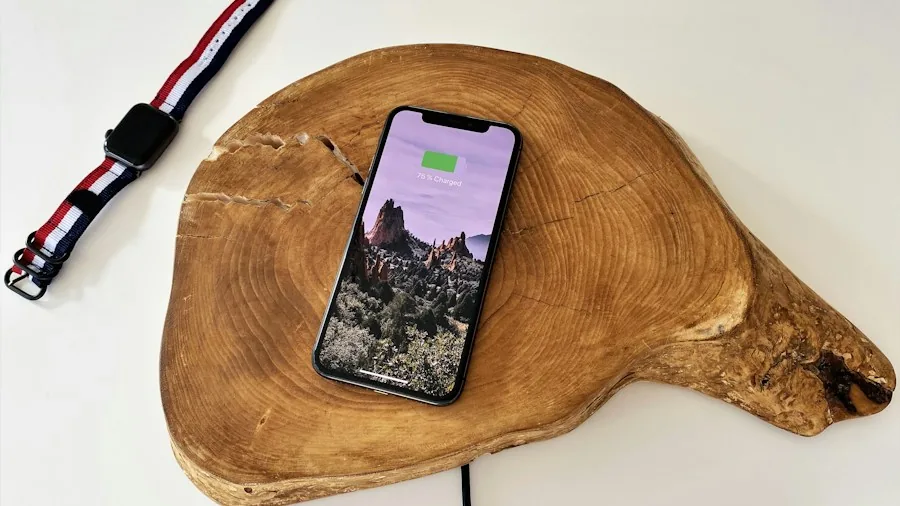
The phone includes a 200MP main camera, a 50MP ultrawide lens, and a 50MP 3x telephoto camera. Camera usage, especially video recording and computational photography, drains battery faster than simple photography. If you’re someone who shoots video frequently or uses your phone’s cameras extensively, even the most advanced accessories like external trackers depend on your phone’s battery lasting through your content creation session. Understanding your camera usage patterns helps you predict how much the 9,000mAh capacity benefits your specific situation.
Who Benefits Most from Large-Capacity Batteries
Not everyone needs a 9,000mAh battery. If you have regular access to charging throughout your day, a smaller capacity might suffice. However, if you fall into any of these categories, this capacity level is worth considering: professionals who work extended hours away from power, travelers who cross time zones frequently, or users who dislike charging accessories and cable management. Outdoor enthusiasts, field researchers, and photographers benefit tremendously from extended battery life that eliminates daily charging obligations.
The OnePlus 16 represents a meaningful evolution in smartphone battery technology, bringing three-day longevity within reach for mainstream consumers rather than specialized devices. When evaluating phones for purchase, consider your lifestyle, usage patterns, and how often you’re willing to charge. A massive battery is only valuable if it aligns with your actual needs and usage frequency.
About the author
Eleanor covers smartphones for REMOVU, balancing cameras, battery life, and software support against price. She helps readers find the best value as the field shifts with every release.