Fitbit Air Arrives in India: What Shoppers Need to Know About Pricing and Features
Google's screenless fitness tracker arrives in India at ₹13,999 with no subscription fees required.
 By Katherine Perez
Updated September 30, 2026
By Katherine Perez
Updated September 30, 2026
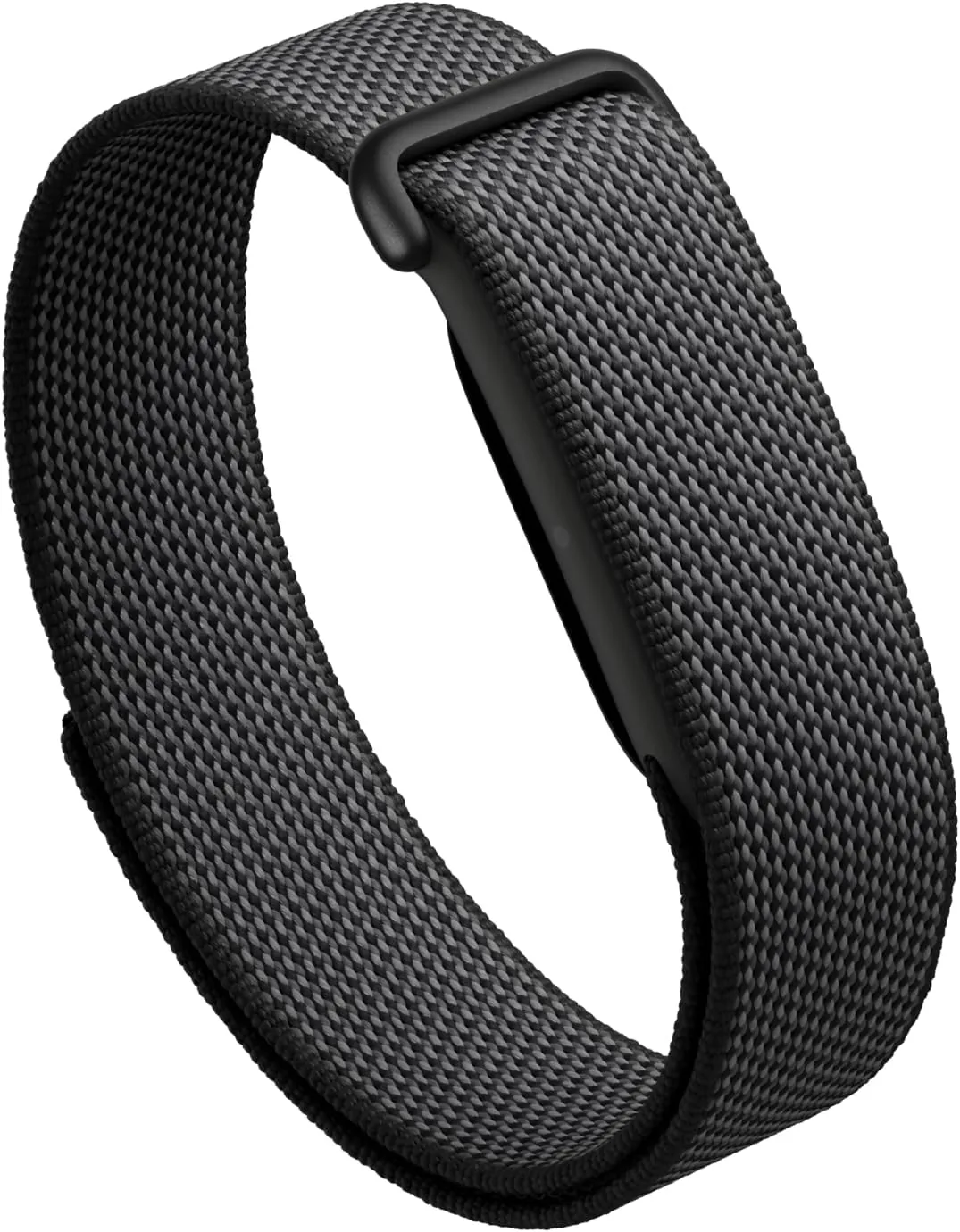
Google’s Screenless Fitness Tracker Finally Available in the Indian Market
Google has officially launched the Fitbit Air in India, marking the expansion of its fitness tracker lineup into one of the world’s largest wearable markets. The device became available starting October 2 at a price of ₹13,999, which converts to approximately $146 USD. This marks nearly five months after the tracker’s initial release in May, indicating a carefully planned international rollout strategy.
Pricing Considerations for Indian Consumers

The official launch price of ₹13,999 represents a premium compared to earlier expectations. Prior to the official announcement, resellers and retailers had listed the Fitbit Air at ₹12,999 (roughly $135), leading many consumers to anticipate a lower entry point. The ₹1,000 difference, while modest in absolute terms, reflects the final retail pricing strategy Google has adopted for the Indian market. The device will be available in four color options: Obsidian, Berry, Lavender, and Fog, providing consumers with aesthetic choices beyond basic black.
Why the Fitbit Air Stands Apart from Competitors
What makes the Fitbit Air particularly noteworthy is Google’s distinctive approach to wearable design. Unlike many competitors in the wearable space, the Fitbit Air operates as a screenless tracker, positioning itself between traditional fitness bands and more complex smartwatches. This design philosophy appeals to users who want comprehensive health monitoring without constant notifications and screen distractions.
A significant competitive advantage is Google’s no-subscription model. While rival brands like Whoop charge recurring subscription fees to access full functionality, the Fitbit Air follows a one-time purchase approach. Users acquire the device once and gain access to all available features, eliminating the ongoing cost barrier that prevents many consumers from adopting premium wearables. This represents a refreshing departure from subscription-dependent models becoming increasingly common in the wearable industry.
Core Health Monitoring Capabilities
The Fitbit Air delivers comprehensive health tracking features designed for continuous monitoring. The device includes continuous heart rate tracking, which monitors your pulse throughout the day and night. Heart rate variability assessment helps users understand their cardiovascular stress levels and recovery patterns. The tracker also provides irregular heart rhythm notifications, specifically detecting potential atrial fibrillation (Afib) signals that may warrant medical attention.
Blood oxygen (SpO2) tracking allows users to monitor oxygen saturation levels, while integrated sleep analysis evaluates sleep quality and duration. These features combine to create a holistic health picture that extends beyond simple step counting. For those seeking fitness trackers under $100, this device sits above that category but justifies the premium through advanced health metrics.
Automatic Activity Recognition Simplifies Workout Tracking
One particularly valuable feature is automatic activity detection. Rather than requiring manual logging of workouts, the Fitbit Air identifies when you’re exercising and automatically begins tracking. This convenience eliminates the friction point many users experience with traditional fitness trackers that demand conscious effort to record activities. While industry feedback indicates this feature performs inconsistently in certain scenarios, the concept addresses a real consumer pain point.
Google Health Coach, an artificial intelligence-powered coaching system, provides actionable wellness recommendations. The feature analyzes your data patterns and delivers personalized guidance, incorporating a humorous tone that reportedly adapts based on your habits (offering gentle sass when sleep deprivation occurs). Additionally, Google bundles a trial period of Google Health Premium with each purchase, allowing new users to explore the company’s broader health ecosystem before committing to paid upgrades.
Market Context and Consumer Expectations

The Indian market represents a crucial growth opportunity for wearable manufacturers, with millions of consumers increasingly interested in health tracking. The Fitbit Air’s launch in multiple color options suggests Google recognizes the importance of aesthetic customization in driving adoption. The device targets consumers who have observed others wearing similar trackers at fitness facilities and recognize the value proposition.
Reviews from technology publications have praised the Fitbit Air’s simplicity and comfort, noting that the screenless design makes it suitable for all-day wear, including overnight sleep tracking. The lightweight construction and minimal visual footprint appeal to users who find traditional smartwatches bulky or unnecessarily feature-rich.
What This Means for Indian Shoppers
The Fitbit Air’s arrival provides Indian consumers with a legitimate alternative to conventional smartwatches and expensive smart rings. At ₹13,999, the device occupies a premium segment but avoids the additional subscription commitments associated with competing premium trackers. For families interested in comprehensive health monitoring, fitness trackers for kids represent a different category, while the Fitbit Air targets serious adult health enthusiasts.
Shoppers considering this purchase should weigh the premium pricing against the all-inclusive feature set and Google’s track record with wearable software updates. The absence of mandatory subscriptions provides clearer long-term value compared to competitors operating under subscription models. As Google expands its health platform presence, the Fitbit Air serves as the hardware entry point into this ecosystem.
About the author
Katherine covers fitness and activity trackers for REMOVU, focusing on sensor accuracy, battery life, and useful daily insights. She helps readers track steps, sleep, and workouts without the bulk of a full smartwatch.