AirPods 5 Break Apple’s Repair Problem: What Shoppers Need to Know
Apple's newest earbuds finally break the repair curse. Here's what changed and what still needs work.
 By Valerie Gomez
Updated September 30, 2026
By Valerie Gomez
Updated September 30, 2026
AirPods 5 Break Apple’s Repair Problem: What Shoppers Need to Know
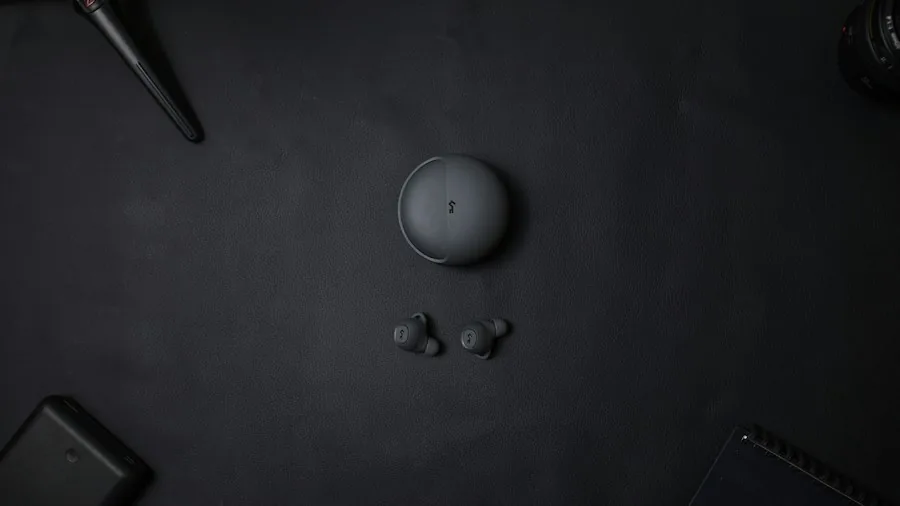
For nearly a decade, Apple’s standard AirPods earned a reputation as throwaway technology once their tiny batteries degraded. The company’s earbud lineup consistently received the lowest possible repairability ratings, making battery replacement essentially impossible for everyday consumers. But the latest generation is finally showing real change, and that shift matters for anyone considering this popular audio brand.
Recent teardown analysis reveals that AirPods 5 achieved its highest repairability score in Apple’s earbud history. While the score remains low by modern consumer electronics standards, it represents a significant departure from the company’s previous approach to earbud design. The key improvement centers on how the device separates and what you can actually do inside.
Battery Replacement Becomes Feasible
The most meaningful advancement involves the earbud battery enclosure. Unlike earlier AirPods models that required destructive cutting or internal melting to access the battery, the AirPods 5 housing can be cleanly separated using controlled heat. Even a standard household hair dryer can gently warm the seam between the driver and the outer shell, allowing the two pieces to come apart without damage to surrounding components.
Once inside, technicians encounter a modular battery design that uses prong contacts rather than direct soldering. This means battery swaps no longer require specialized soldering equipment or the destruction of internal wiring. For repair shops and enthusiasts, this represents a genuine usability improvement over previous generations.
However, there are important limitations. The left and right earbuds use reversed battery polarities with slightly offset prongs, preventing you from swapping batteries between sides. This design choice means you cannot simply transfer a functional battery from one earbud to the other, which complicates DIY repair strategies.
The Charging Case Remains Difficult
The good news about the earbuds does not extend to the charging case. The case continues to use stubborn adhesive and plastic welds throughout its construction, making it extremely difficult to open without permanent damage. A proper case battery replacement would essentially destroy the shell, rendering the unit unusable as a functional accessory.
This contradiction highlights that Apple still views repairability as a selective priority. While the company made meaningful changes to the earbud design, the case received no equivalent improvements. Screws could easily have replaced the adhesive, but Apple maintained the current approach.
Missing Official Support
Even with improved physical access to batteries, several obstacles remain for practical repair. Apple continues to provide no official spare parts for consumers or repair facilities. The company offers no repair manuals specific to this generation, and no self-service repair program exists for any AirPods model, unlike some newer iPhone options.
This lack of official channels means that even if battery replacement is theoretically possible, obtaining the correct replacement component remains challenging. Third-party repair shops may stock compatible batteries, but availability and pricing vary significantly by location.
What This Means for Your Purchase Decision
The improved battery accessibility addresses one of the primary complaints about wireless earbuds as a category: their finite lifespan once batteries degrade. Previous AirPods models essentially became electronic waste once battery capacity fell below acceptable levels. The AirPods 5 change suggests a longer practical lifespan, as dedicated repair facilities can now extract and replace batteries without wholesale destruction.
For shoppers planning to use the same AirPods for multiple years, this improvement offers genuine value. If your earbuds begin losing battery capacity after two or three years of regular use, repair becomes an actual option rather than inevitable replacement.
That said, shoppers should not expect the AirPods 5 to reach the repairability standards of alternative brands specifically designed for sustainability. Some competing wireless earbud models offer modular designs, user-replaceable batteries, and no adhesive construction throughout the device. The AirPods 5 represents improvement within Apple’s own framework, not a transformation into the repair-friendly category.
A Step Forward, Not a Complete Solution
The shift visible in AirPods 5 suggests that manufacturer repairability expectations are gradually changing. Consumer pressure and regulatory focus on electronic waste have clearly influenced design decisions. The fact that Apple modified its approach, even partially, indicates that repairability concerns reach audiences that companies care about reaching.
Shoppers evaluating the AirPods 5 should factor in this extended potential lifespan compared to previous generations. Whether you prioritize sustainability, long-term cost savings, or simple device reliability, knowing that battery replacement is now feasible rather than impossible changes the value calculation. For those planning to use AirPods beyond the typical two-year window, this practical improvement matters significantly.
About the author
Valerie writes about wireless earbuds for REMOVU, comparing sound, battery life, call quality, and fit. She helps readers find the right pair from budget buds to premium ANC.