Apple Launch Event Strategy Shifts Under New CEO: What Buyers Should Know
New leadership suggests Apple will abandon its traditional fall and spring announcement pattern, releasing products throughout the year instead.
 By Ava Herrera
Updated September 29, 2026
By Ava Herrera
Updated September 29, 2026

Apple’s Product Launch Approach May Be About to Change
Apple has long maintained a predictable rhythm for revealing new products. The company typically hosts major announcements in September to debut iPhones and again in the spring for other device releases. However, recent developments suggest this familiar pattern could be disrupted significantly in the coming months.
John Ternus, who recently took over as CEO of Apple, is reportedly pushing the company to introduce products on a more frequent basis than its traditional fall and spring cadence. According to sources close to the company’s strategy, Ternus believes Apple must accelerate its product launch schedule and embrace greater experimentation to maintain competitiveness in an increasingly crowded artificial intelligence market.
Why Launch Event Timing Matters for Shoppers

For consumers, understanding Apple’s launch event strategy directly affects purchasing decisions. If the company begins unveiling products more regularly throughout the year rather than concentrating announcements in two major events, buyers will face a different decision-making landscape.
More frequent product introductions could mean shorter windows between related announcements. For example, rather than waiting until spring to hear about iPad and Mac updates, consumers might see these products revealed at various points during the year. This could complicate decisions about whether to purchase current models or wait for newer versions.
Additionally, when a company launches products more frequently, the typical discount cycles on older inventory often accelerate. Retailers tend to clear out previous-generation stock more aggressively when replacement models arrive sooner. This could create better opportunities for deal-seeking shoppers, though it may also create urgency around purchase timing.
The Products Already in Development
Apple’s hardware pipeline reportedly includes numerous devices awaiting release. A refreshed HomePod Mini, updated iPad Mini, and new Apple TV 4K are among the products expected to arrive. The company is also developing AirPods with integrated cameras, which would represent a significant departure from its current audio product lineup. Touchscreen MacBooks are another anticipated addition, suggesting potential interface innovations across the laptop category.
Additionally, speculation surrounds a special 20th anniversary iPhone model, which could serve as a flagship release timed to commemorate the original product launch. When and how these devices appear on shelves will depend on how quickly Ternus’s new strategy takes shape.
Organizational Changes Supporting Faster Innovation
Behind the scenes, Apple is restructuring to support more rapid product releases. Ternus is considering reducing the management layers between engineers and senior executives, which could streamline decision-making and accelerate development timelines. Recent organizational changes have included dismissals among engineering program management teams.
These internal shifts reflect a broader philosophy that leaner organizational structures can enable faster iteration cycles. For shoppers, organizational efficiency typically translates to either faster product availability or, in some cases, products that reflect more aggressive testing and refinement protocols before launch.
What This Means for Consumers
The transition away from Apple’s established launch event schedule won’t happen immediately. The company maintains long-established development practices that require time to adapt. However, over the next 12 to 18 months, shoppers should expect a notably different experience when shopping for Apple products.
First, consider spreading out your major purchases. Rather than buying all your Apple devices around predictable September and spring windows, you may find better options arriving at unexpected times. Monitor for announcements more frequently than you have in the past.
Second, product release timing could affect your upgrade strategy. If devices you’re interested in might appear within the next few months, waiting could yield better options. Conversely, if a product has been available for several months and is rumored to have a replacement coming soon, that could be an ideal moment to purchase at a discount.
Third, the range of devices Apple plans to introduce suggests the company is expanding its ecosystem. When new device categories enter Apple’s lineup, they often integrate with existing products, creating opportunities for more comprehensive smart home and personal device ecosystems.
The Competitive Pressures Driving Change
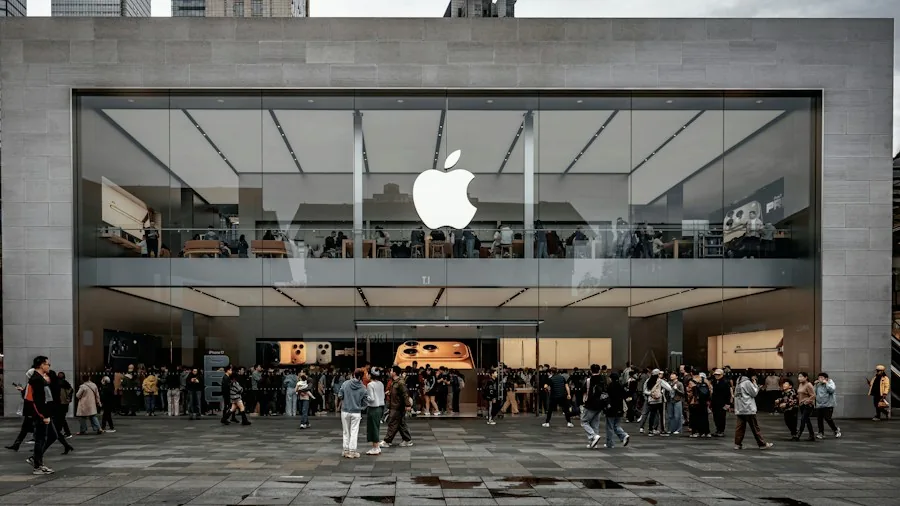
The push toward faster launches reflects genuine competitive pressures in the technology industry. Artificial intelligence capabilities are becoming table stakes across consumer electronics, and companies that introduce AI-driven features slowly risk appearing outdated. Competitors in adjacent categories are also accelerating their release cycles, which means Apple faces pressure to keep pace.
For shoppers, this competitive intensity is ultimately beneficial. Faster release cycles often bring innovation to market more quickly, potentially meaning consumers gain access to new capabilities and improvements without waiting years between product generations.
Understanding the technology landscape helps informed buyers make better decisions about timing and value when committing to significant purchases.
Preparing for an Unpredictable Launch Calendar
As Apple transitions to a new product release philosophy, staying informed becomes increasingly important. Rather than marking September and spring on your calendar as the only times to pay attention to Apple announcements, broaden your focus to year-round product news.
Sign up for company notifications, follow technology news sources regularly, and consider your actual needs before launch schedules. The best time to purchase technology remains when your current device no longer meets your requirements, provided you’re not imminently expecting a major successor announcement.
About the author
Ava is REMOVU's laptop writer, balancing speed, battery life, and build quality against price across the whole range. She helps readers find the sweet spot as each new chip shifts what a dollar buys.