iPhone Duo Supply Chain Delays: What Buyers Should Know Before Launch
Production yield problems mean the foldable iPhone will be harder to find than standard models.
 By Eleanor Garcia
Updated September 29, 2026
By Eleanor Garcia
Updated September 29, 2026
Apple’s upcoming iPhone Duo is encountering significant manufacturing challenges that could affect availability when it launches later this month. According to supply chain sources, the company’s first foldable iPhone is experiencing lower-than-expected production yields, raising questions about how many units will actually reach store shelves and what that means for shoppers eager to buy one.
Production Yield Falls Short of Targets
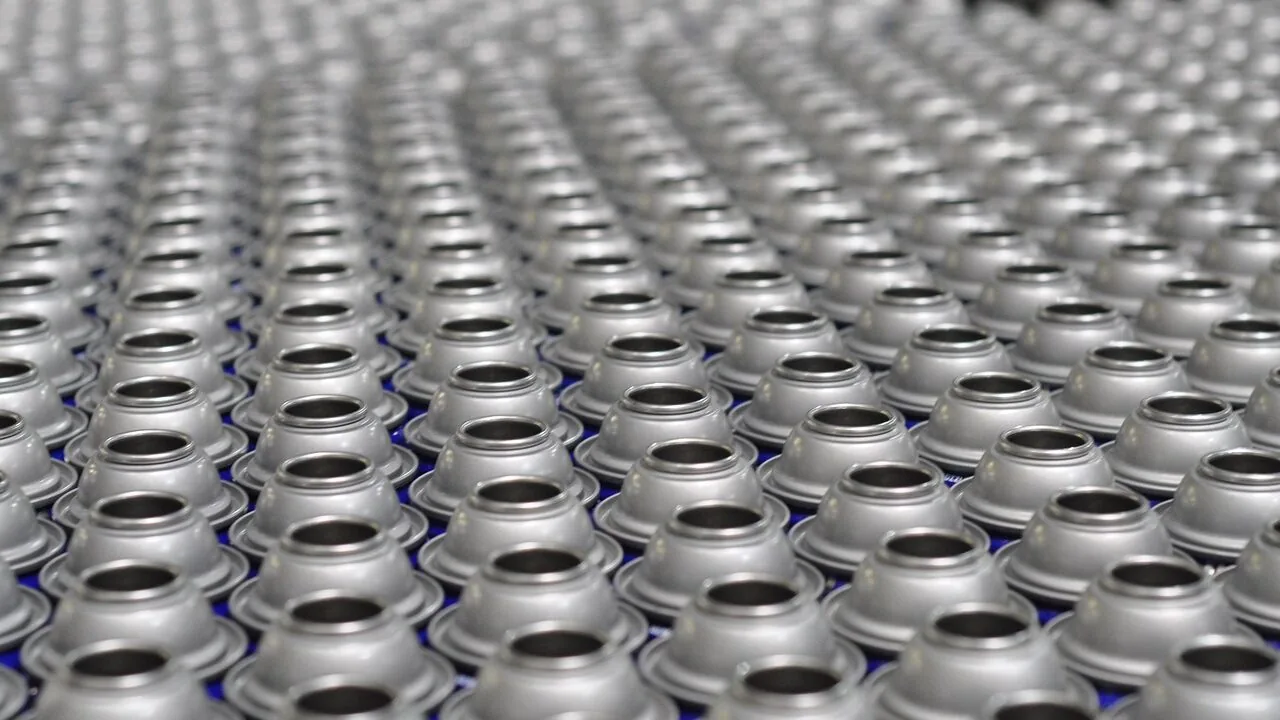
Manufacturing partners have reported that assembly yield rates for the iPhone Duo stood at just above 60 percent as of mid-September, well below the threshold Apple typically requires for large-scale production. Industry experts suggest it could take another six months to a year before the assembly line reaches mature production standards under Apple’s current quality benchmarks. This means that for every ten units being assembled, roughly four are not meeting the company’s exacting specifications.
Foxconn, the primary contract manufacturer, is continuously adjusting equipment, assembly processes, and production settings as it scales up iPhone Duo manufacturing. The complexity of building a foldable device with hundreds of moving parts presents manufacturing hurdles that Apple has not previously encountered in iPhone production.
Component Shortages Compound the Problem
The challenges extend beyond final assembly. Samsung Display, which supplies the foldable OLED screens, has experienced its own manufacturing difficulties. The company is grappling with low yields on the display panels and hinge components, along with delayed shipments and unexpected design modifications. These upstream delays leave assemblers with compressed timelines to optimize their production lines, creating a domino effect throughout the entire supply chain.
Apple explored using Liquid Metal for certain hinge components but ultimately decided against this approach as mass production loomed. The final hinge design contains more than 100 individual components and features a 3D-printed cover, adding layers of manufacturing complexity that suppliers continue to refine.
The Output Dilemma
Manufacturing partners face a difficult choice: prioritize quality or accelerate volume. Running the production line at higher speeds could yield more finished phones but at the cost of increased defective units and higher scrap rates. Contract manufacturers have reportedly asked Apple to choose between these competing priorities. The company’s historical stance on quality suggests it will not compromise on standards simply to boost production numbers in the short term.
What This Means for Shoppers
Apple’s global stocking target for the iPhone Duo in 2026 is approximately six to eight million units. By comparison, a typical individual iPhone Pro model ships between 20 and 30 million units over a complete product lifecycle. This means availability of the iPhone Duo will be significantly more constrained than standard iPhone releases. Some retail sources indicate Apple’s internal sales guidance exceeds five million units for the initial period, suggesting strong demand will outpace supply.
Pre-orders for the iPhone Duo begin on October 16, with availability starting October 23. The device starts at $1,999, positioning it as a premium product aimed at early adopters willing to pay for new technology. The supply constraints mean interested buyers should be prepared to act quickly when pre-orders open, as inventory is likely to sell out rapidly.
Planning Your Purchase Strategy
Given the supply situation, shoppers considering the iPhone Duo should understand that securing one may prove challenging. The combination of limited production capacity and strong anticipated demand creates a scenario where you may not have the luxury of waiting to decide. If this device aligns with your needs and budget, registering early for pre-order notifications and having your payment information ready will be important.
Those seeking a foldable iPhone experience can also explore whether alternatives might better suit their timeline. While competitors offer foldable phones, the iPhone Duo represents Apple’s entry into this category and may not receive another revision for several years. For consumers committed to the iPhone ecosystem and interested in foldable technology, patience may become necessary, as additional supply could arrive in subsequent quarters once manufacturing matures.
The supply chain challenges facing the iPhone Duo underscore how complex manufacturing foldable smartphones remains in 2026. Even with extensive planning and resources, bringing a genuinely new form factor to market at scale presents hurdles that cannot always be overcome instantly. For shoppers, this reality translates to limited initial availability and the need to act decisively when the opportunity to purchase arrives.
About the author
Eleanor covers smartphones for REMOVU, balancing cameras, battery life, and software support against price. She helps readers find the best value as the field shifts with every release.