7 Key Features You Lose When Choosing a Foldable Over a Premium Flagship Phone
Considering a foldable? Here are the flagship capabilities you'd be giving up, from camera controls to professional video formats.
 By Eleanor Garcia
Updated September 27, 2026
By Eleanor Garcia
Updated September 27, 2026
When shopping for a high-end smartphone, the appeal of a foldable device is undeniable. The promise of an expansive screen for multitasking and media consumption feels like the future of mobile technology. However, that excitement often collides with reality: foldable phones command significant price premiums, and those premium costs come with real trade-offs you should understand before deciding.
If you’re caught between a foldable and a flagship phone like the iPhone 18 Pro Max, you may be overlooking critical capabilities you’ll sacrifice. Here are seven important features worth considering in your decision.
1. Full MagSafe Compatibility and Accessory Ecosystem
Modern smartphones have embraced magnetic attachment systems that enable a rich ecosystem of wallets, stands, mounts, and protective accessories. On a standard flagship device, these accessories align perfectly with the back panel, creating a seamless user experience. Foldable phones, however, have internal design constraints that limit this compatibility. The folding mechanism repositions internal components and reduces rear surface area, which means standard-sized magnetic accessories won’t sit flush against the back. Wallet accessories in particular tend to overhang past the frame edge, eliminating the polished feel that makes the magnetic ecosystem so appealing in the first place.
2. Advanced Camera Aperture Control
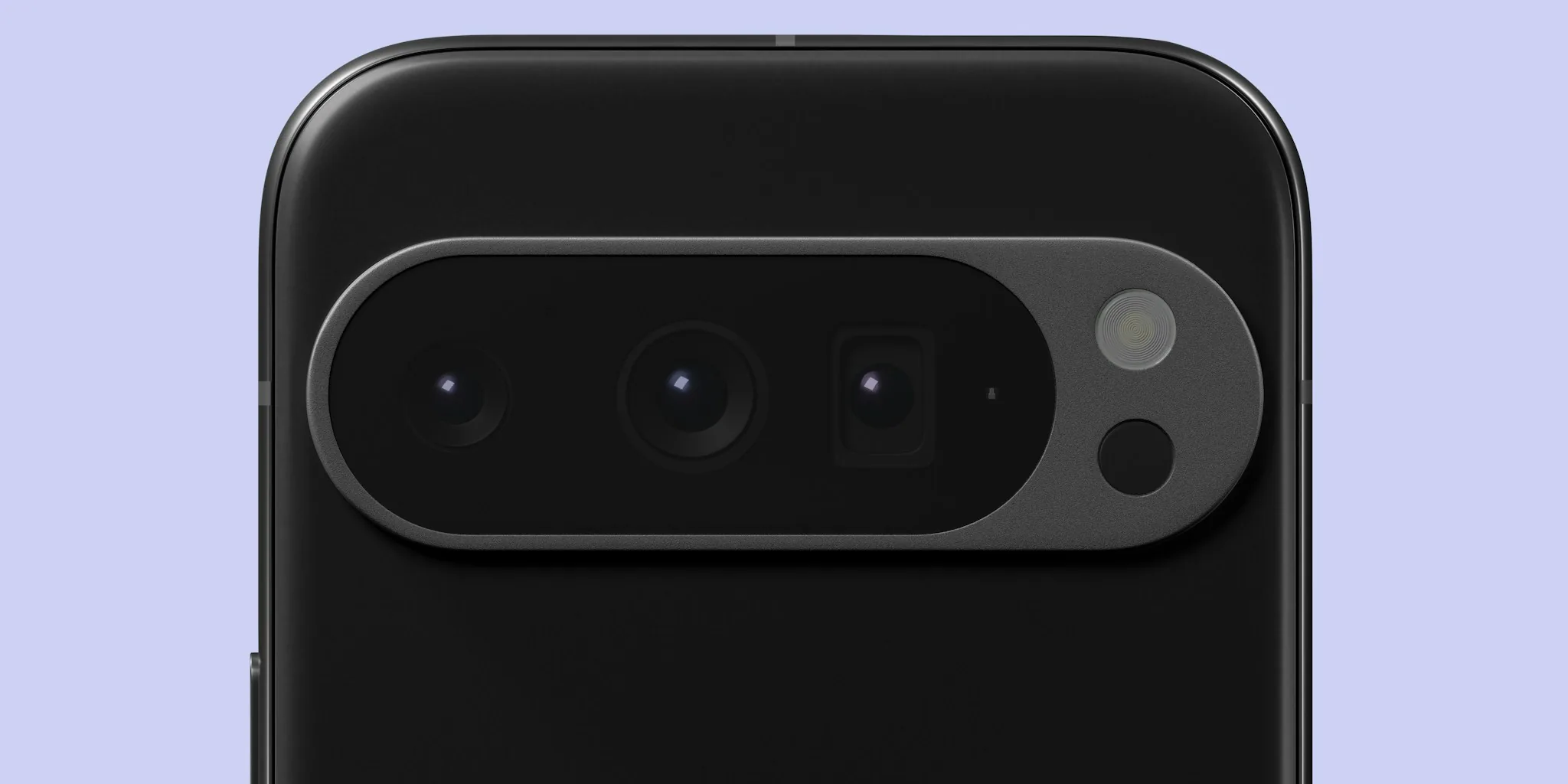
Premium flagships now feature mechanical aperture systems that physically adjust the lens opening, much like professional cameras. This allows you to stop down for tack-sharp landscape photography or open wide for authentic background blur in portraits. The mechanical control also enables creative effects like intentional motion blur with moving subjects. Foldables typically lack this feature, leaving you entirely dependent on digital processing and artificial depth simulation. For anyone who takes mobile photography seriously, this represents a genuine creative limitation.
3. Programmable Action Button
Flagship phones now include a customizable physical button that provides direct, tactile access to frequently used functions. You can assign it to launch your flashlight, access camera presets, or trigger favorite automation routines. On a foldable device, this button simply doesn’t exist. That’s particularly unfortunate on a foldable, where a programmable key could have instantly launched two apps side by side with a single press. The absence eliminates a layer of convenience that flagship users come to rely on daily.
4. Dedicated Camera Control Button
Beyond the action button, many flagships feature a dedicated camera control with both physical button and gesture recognition. While it functions as a traditional shutter release, the swipe gesture capability enables precise framing adjustments. For example, you can smoothly dial in exact zoom levels without introducing camera shake or jitter. On a foldable, you’re limited to pinching the screen, which makes hitting specific zoom targets cumbersome and often results in overshooting or undershooting your desired composition. For serious mobile photographers, this shift from tactile precision to touch controls is a meaningful downgrade.
5. ProRAW and ProRes Capture Formats
Flagship phones offer advanced capture formats that professional content creators depend on. ProRAW captures uncompressed files with full sensor data, enabling extensive post-production flexibility to recover highlights, lift shadows, and fine-tune white balance. ProRes video preserves 10-bit color depth with minimal compression, making it ideal for smooth editing workflows. These formats transform a smartphone into a viable secondary camera for serious video work. Foldables typically cap out at standard HEIF and JPEG photos with heavily compressed video, which is fine for social sharing but strips away the editing control that professionals require.
6. Log Recording for Video Work
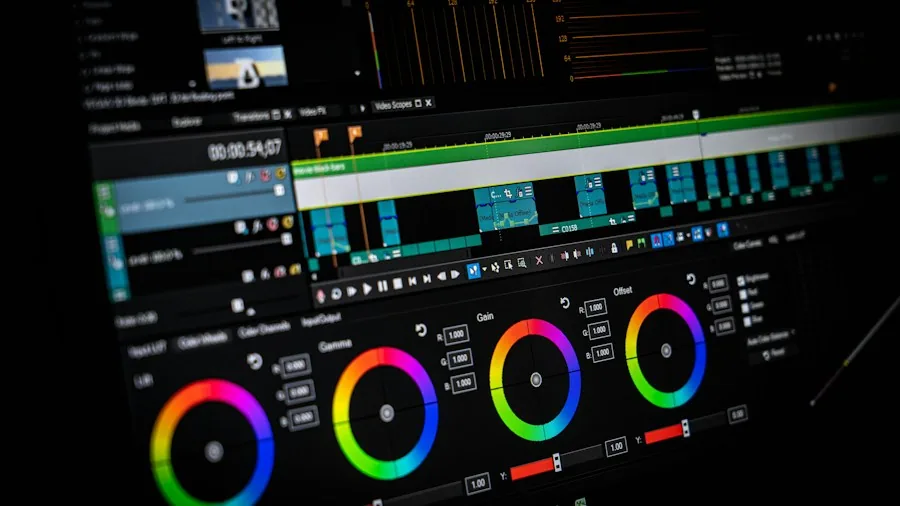
Video-focused content creators benefit from Log recording, which prioritizes dynamic range preservation over aesthetic appearance. The footage emerges flat and desaturated straight from the camera, but that characteristic look grants maximum tonal range in highlights and shadows. This becomes essential when color grading mobile clips to match footage from mirrorless cameras. Without Log recording, you’re constrained by the phone’s baked-in color science and contrast. For anyone using their phone as a reliable second camera for professional work, this limitation significantly reduces versatility.
7. Spatial Photo and Video Capture
While not an everyday shooting mode for most users, the ability to capture spatial photos and videos offers unique advantages. Flagship devices with specialized sensor arrays can record lifelike stereoscopic media optimized for playback on spatial computing platforms, with parallax effects visible even in the standard photos app. Creating authentic 3D depth through optical capture feels far more genuine than AI-assisted generation methods. Foldables lack the necessary lens alignment and depth-sensing technology to support this capability, representing a missed opportunity for future-proofing your media library.
Making Your Decision
The foldable form factor delivers genuine innovation and novelty that appeals to early adopters and tech enthusiasts. The larger canvas does enable new multitasking possibilities and a fresh way to consume content. However, that premium price tag exists alongside meaningful compromises in imaging control, accessory integration, and professional-grade video capabilities. Before committing to a foldable, honestly assess which features matter most to your daily workflow. If mobile photography and accessory ecosystem integration rank high on your priorities, a flagship phone may ultimately prove more satisfying. The best device isn’t always the newest one; it’s the one that aligns with how you actually use your phone. Understanding these trade-offs ensures your purchase decision reflects your genuine needs rather than the novelty factor alone. For comparison, creators often evaluate complementary devices with the same deliberate thinking.
About the author
Eleanor covers smartphones for REMOVU, balancing cameras, battery life, and software support against price. She helps readers find the best value as the field shifts with every release.