PlayStation 5 Removes 8K Badge: What This Means for Console Buyers
Sony quietly removed the 8K badge from PS5 boxes. Here's why and what it means for your purchase.
 By Serenity Richards
Updated September 26, 2026
By Serenity Richards
Updated September 26, 2026
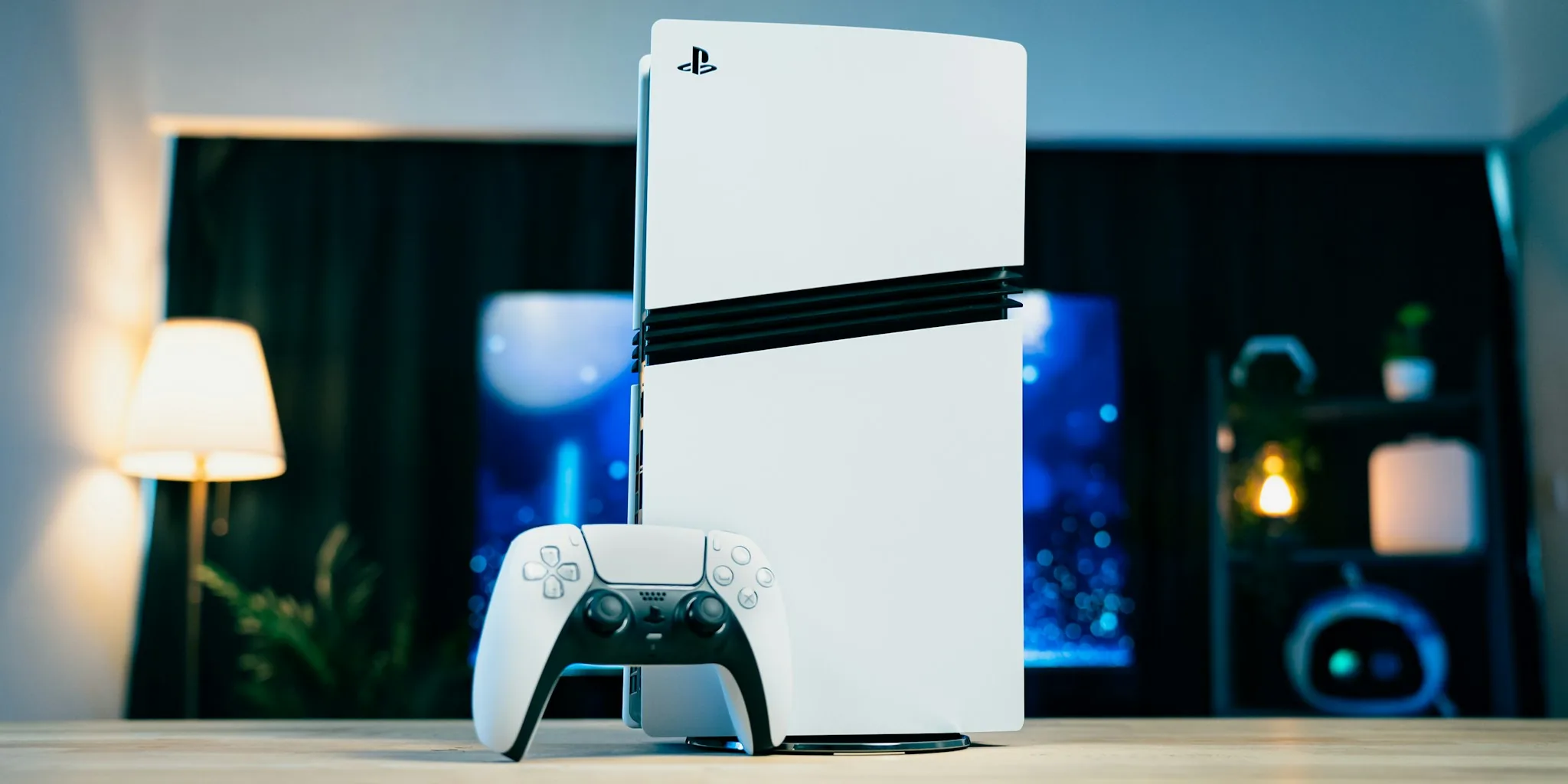
Sony has quietly removed the 8K designation from PlayStation 5 packaging in 2024, marking a significant shift in how the company markets its flagship console. The gold-colored 8K badge that once appeared alongside 4K and HDR logos on PS5 boxes has disappeared, signaling a broader reality about gaming technology that every buyer should understand.
Why Sony Dropped the 8K Promise
When the PlayStation 5 launched, the 8K badge represented potential future capability. However, several factors led Sony to eliminate this marketing claim. First, 8K resolution, which requires 7680 horizontal pixels by 4320 vertical pixels, has failed to gain meaningful adoption in the consumer market. Few households own 8K televisions, and industry analysts continue to debate whether the upgrade justifies the cost for most viewers.
More importantly, the standard PS5 hardware simply cannot deliver native 8K gaming at playable frame rates. Sony promised a software update to enable 8K output on the base console model, but this update never materialized. This disconnect between marketing and actual capability likely influenced the decision to remove the badge from packaging.
What Changed with the PS5 Pro

Sony introduced the PS5 Pro in 2024 and partially addressed the 8K gap, though not in the way original buyers might have expected. The PS5 Pro can output 8K resolution, but it relies on upscaling technology rather than native rendering. The console uses PSSR, which stands for PlayStation Spectral Super Resolution, to enhance lower-resolution imagery to near-8K quality.
In practical terms, most PS5 Pro titles render at approximately 4K resolution and then scale upward. Some games employ dynamic resolution, which adjusts on the fly, occasionally reaching 6K in specific scenes. Only a handful of PS5 titles support any form of 8K output, making this feature niche even for Pro owners.
The Reality of Native 8K Gaming
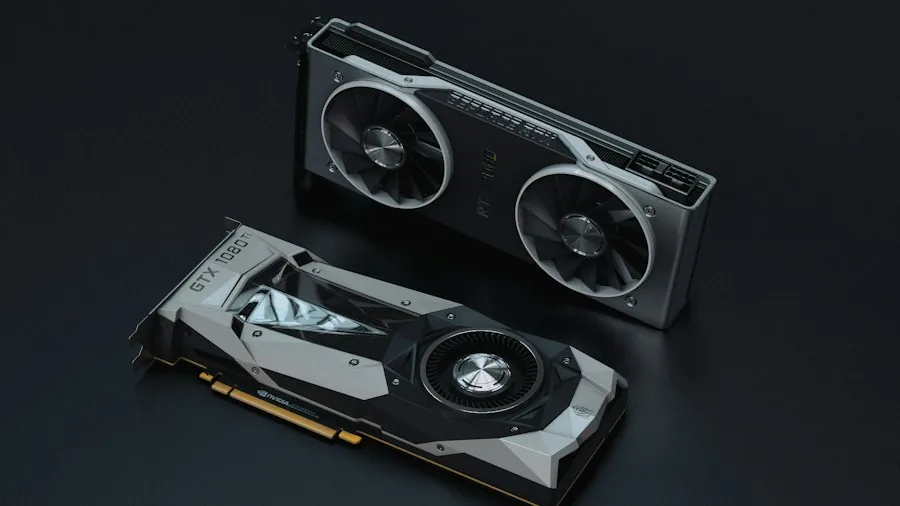
Understanding why Sony abandoned the 8K badge requires looking at what genuine native 8K gaming demands. Rendering at 8K resolution is computationally equivalent to running four separate 4K displays simultaneously. The hardware requirements are staggering for any platform, whether console or PC.
High-end graphics processors capable of approaching native 8K performance cost thousands of dollars per card. Nvidia’s RTX 4090 sells for over $4,000, while newer RTX 5090 models command prices exceeding $8,000 in some markets. Even with this premium hardware, real-world performance disappoints. When reviewers analyzed the RTX 4090 on demanding titles, they achieved roughly 60 frames per second at native 8K, but only in less demanding games.
The Nvidia RTX 5090, representing the absolute pinnacle of consumer GPU technology, struggles more than one might expect. When evaluated on graphically intensive titles like Cyberpunk 2077 at maximum settings with ray tracing enabled, the RTX 5090 failed to consistently maintain 55 frames per second even with DLSS 4 upscaling assistance. Native 8K performance without such scaling technology would drop considerably lower. This performance reality explains why game consoles and consumer PC gaming have collectively abandoned native 8K as a practical target.
What This Means for Shoppers
The removal of the 8K badge represents Sony being more honest about what the PS5 actually delivers. If you’re shopping for a PlayStation 5 today, you’re getting a console engineered for exceptional 4K gaming, not 8K. This is not a negative. The PS5 excels at its designed purpose, offering smooth performance at resolutions that current televisions and content sources actually support.
For buyers considering the PS5 Pro, understand that 8K capability exists more as a technical demonstration than a practical gaming experience. The Pro’s strength lies in delivering superior 4K performance with higher frame rates and visual enhancements through upscaling technologies. These improvements matter significantly more for everyday gaming than an 8K badge that few can actually use.
The 8K story also highlights how console generations work. Marketing materials sometimes emphasize theoretical capabilities rather than real-world performance. Savvy consumers focus on what consoles actually do well today, not speculative features that may never reach mainstream use. The PS5 without the 8K label remains a capable machine for modern gaming libraries. When shopping for a gaming headset or other accessories, you’re pairing them with a console designed for 4K excellence, not aspirational 8K dreams.
Sony’s decision to remove the 8K designation reflects maturity in the market and honesty in marketing. For console buyers, this means clearer expectations about what you’re purchasing and more realistic understanding of performance capabilities. The PS5 delivers outstanding gaming experiences without needing exaggerated claims about technologies years away from viability.
About the author
Serenity covers home game consoles for REMOVU, weighing performance, exclusive libraries, and the ecosystem each platform locks you into. She helps players pick the console that fits how and what they play.