Honor Magic 9 Pro Max Launch: What Smartphone Shoppers Should Know About This Camera Challenger
Honor bundles its new flagship with 200mm and 500mm telephoto lenses. Here's what shoppers should know.
 By Jack Perkins
Updated September 26, 2026
By Jack Perkins
Updated September 26, 2026
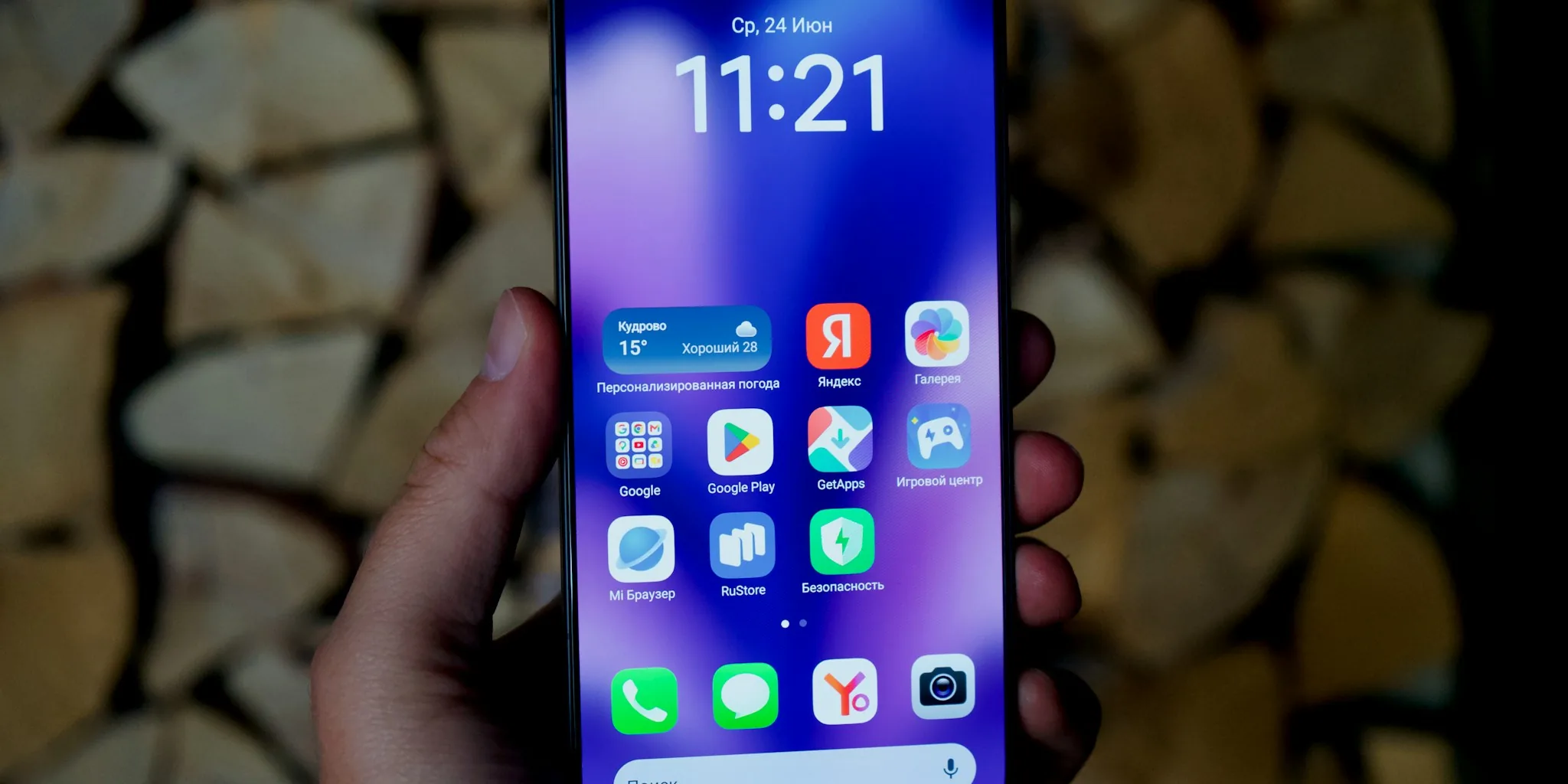
Honor is set to shake up the smartphone market with the announcement of the Magic 9 Pro Max on September 28, introducing a device that positions itself as a serious contender in the increasingly competitive flagship arena. The company has already begun teasing the phone’s standout feature: its camera system, which claims capabilities that surpass what many current smartphones can deliver, even the latest iPhone models.
A New Approach to Mobile Photography
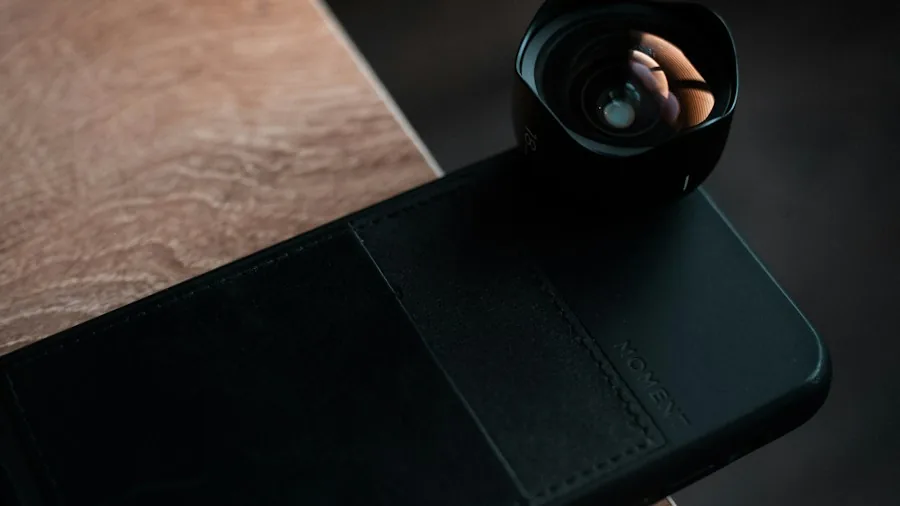
Rather than relying solely on internal sensor improvements, Honor is bundling the Magic 9 Pro Max with a Photography Master Kit that includes external lens attachments. This kit features two telephoto converter lenses designed to attach to the phone’s main camera: a 200mm Honor Thumb lens for moderate magnification and a 500mm Honor Giant Cannon attachment for extreme zoom capabilities. Honor’s marketing challenge, asking “Who else can do that,” directly references the moon photography capabilities these lenses unlock.
The company has released sample images captured with these attachments, demonstrating clarity and detail that conventional smartphone cameras struggle to achieve. This marks a significant shift in how manufacturers are approaching the mobile photography ceiling. Rather than cramming larger sensors into increasingly thin devices, Honor is recognizing that smartphone lens limitations have become the real bottleneck in image quality.
Impressive Specs Under the Hood
Beyond its camera prowess, the Magic 9 Pro Max brings substantial firepower to the table. The device features a massive 8,800 mAh silicon-carbon battery paired with an integrated active cooling fan to manage thermal output from the latest processor. At its core sits the 2nm Snapdragon 8 Elite Gen 6 chipset, representing the cutting edge of mobile processing power.
The display measures 6.8 inches with LTPO OLED technology, 120Hz refresh rate, and a resolution of 1320 x 2868 pixels. Storage options range from 256GB up to 1TB, with 12GB or 16GB of LPDDR5X RAM available depending on configuration. The main camera system includes dual 200MP sensors that incorporate ARRI cinema optics tuning, suggesting professional-grade image processing workflows built into the firmware.
The Photography Kit Question
The Photography Master Kit approach signals a broader industry trend worth understanding. As smartphone manufacturers hit physical limits with internal sensor technology, several brands are now exploring external accessory solutions. This strategy addresses a real problem: even 1-inch 200MP sensors face inherent limitations when constrained by smartphone form factors and lens sizes.
However, this solution comes with notable trade-offs that shoppers should evaluate. Photography kits typically cost between $200 and $400, adding significant expense on top of an already premium flagship price. They also introduce practical challenges: the attachments are bulky, require dedicated carrying cases, and fundamentally change how comfortable a device is to hold and use. A smartphone equipped with a 500mm telephoto lens attachment becomes substantially less pocket-friendly and borders on impractical for everyday handling.
What This Means for Shoppers Evaluating Flagship Phones

If you prioritize photography above all else and don’t mind carrying additional equipment, the Magic 9 Pro Max kit presents a compelling alternative to traditional flagship cameras. The ability to achieve telescope-like clarity on astronomical subjects or distant details genuinely offers capabilities that iPhone models and other competitors cannot match without external assistance.
For most users, however, the practical considerations matter more. The base Magic 9 Pro Max pricing plus kit costs could exceed what you’d spend on a premium flagship plus a smartwatch or wireless earbuds. Your actual usage patterns should drive this decision: will you realistically use these lenses regularly, or would they sit unused in a drawer after initial enthusiasm fades?
The Magic 9 Pro Max’s core specifications are undeniably strong. The processor, display, battery capacity, and storage options all represent premium-tier components that rival or exceed competing flagship devices. The photography kit distinguishes this phone but shouldn’t be considered essential to the base device value proposition.
The Broader Context
This launch highlights how the smartphone market is fragmenting rather than converging. There’s no longer a single best flagship phone for everyone. Instead, manufacturers are increasingly serving specialized audiences: those who prioritize gaming performance, productivity workflows, battery longevity, or in this case, extreme zoom photography capabilities.
Whether the external photography kit approach becomes a lasting standard or fades as a niche trend remains unclear. The concept addresses real limitations but introduces friction points that mass-market consumers may ultimately reject. September 28 will reveal whether Honor has found a formula that resonates, or whether shoppers prefer the simplicity of all-in-one devices that require no attachments or compromises.
About the author
Jack covers camera lenses for REMOVU, evaluating sharpness, build quality, and value across popular mounts. He helps photographers match the right prime or zoom to their camera and their subjects.