Samsung Galaxy H1 Over-Ear Headphones Leak: What Shoppers Need to Know About AirPods Max Competition
Samsung's over-ear headphones rival AirPods Max with touch controls, spatial audio, and smart conversation detection.
 By Nevaeh Ross
Updated September 11, 2026
By Nevaeh Ross
Updated September 11, 2026
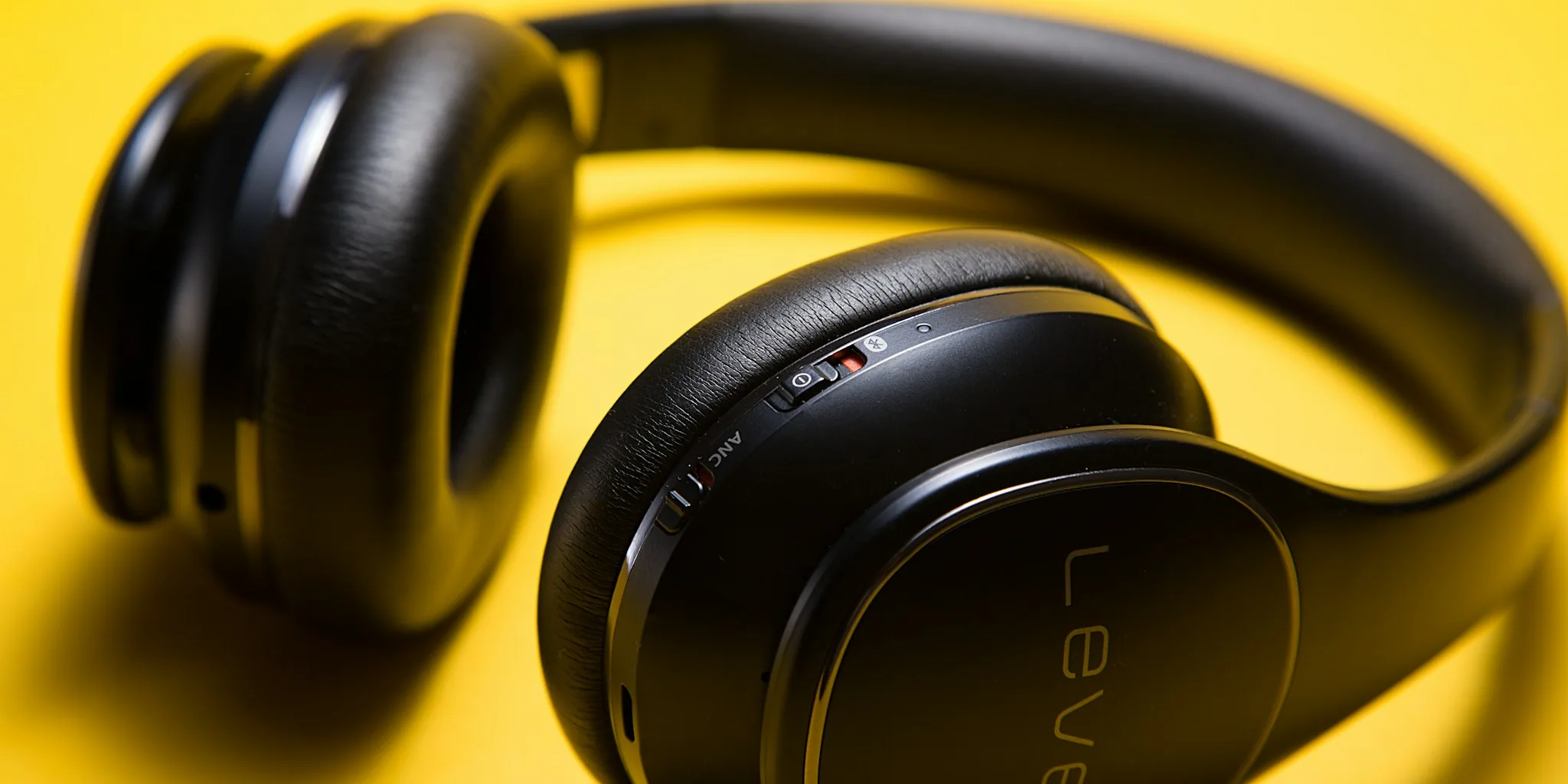
Samsung appears ready to enter the over-ear headphone market with its first major competitor to the AirPods Max in over a decade. Recent leaks reveal that the company is developing the Galaxy H1, a premium over-ear model designed to rival Sony and Bose flagship headphones. For consumers comparing options in this growing category, understanding the incoming features and capabilities matters as you plan your next audio investment.
A Shift in Samsung’s Audio Strategy
For nearly ten years, Samsung concentrated exclusively on wireless earbuds through its Galaxy Buds lineup. The Galaxy H1 represents a major strategic pivot, signaling Samsung’s intent to compete across multiple form factors. Reports indicate Samsung is simultaneously exploring clip-on styles and sports-oriented designs with ear hooks alongside this over-ear model. The H1 would mark Samsung’s return to over-ear headphones since 2015, directly challenging both the AirPods Max and Sony’s WH-1000XM series dominance.
Controls and Interface Features

Leaked information suggests the Galaxy H1 will employ a hybrid control system combining physical buttons with touch controls. The left earcup will feature a dedicated button for cycling through different active noise cancellation modes. Users can expect to select at least two ANC options, with an Adaptive mode similar to the Galaxy Buds 4 Pro. Double-pressing this same button will activate Ambient mode, allowing environmental sound to pass through.
The right earcup houses a capacitive touchpad for managing media playback, matching the interface design found on comparable models like the Sony WH-1000XM6 and Bose QuietComfort Ultra. Additional customizable touch-and-hold controls appear in the code, though their specific functions remain unclear. This dual-control approach gives users flexibility in how they interact with their audio, accommodating different preferences and situations.
Conversation Mode and Adaptive Listening
One standout feature mentioned in the leak is an automatic Conversation mode. This intelligent system switches from noise cancellation to Ambient mode when speech is detected, either from the wearer or nearby speakers. Rather than completely pausing audio, the headphones suppress media volume to a level low enough for comfortable conversation. The system returns to the previous noise cancellation setting a few seconds after speech stops, creating a seamless listening experience without manual intervention.
This mirrors technology already present in Galaxy Buds 4 Pro earbuds, confirming Samsung’s commitment to intelligent audio features. For professionals and multitaskers, this capability could significantly improve usability throughout the day.
Spatial Audio with Head Tracking
The Galaxy H1 is expected to support 360-degree spatial audio paired with head tracking capabilities. This technology adjusts audio direction based on head movements, creating the impression that the sound source remains stationary even as you move. While many modern devices already feature head tracking in earbuds and entry-level headphones, including Galaxy Buds and AirPods, the feature remains valuable for immersive content consumption and gaming.
Interestingly, the Galaxy H1 may not support head gestures for controlling media or answering calls, distinguishing it from some competing earbuds that offer this gesture-based control system. This suggests Samsung prioritized core audio performance over gesture recognition in the headphone design.
Battery Management and Auto-Shutdown
Samsung is engineering an automatic shutdown timer to prevent battery drain during extended non-use periods. Users will reportedly choose from preset countdown options including 30 minutes, one hour, and two hours. If the headphones lose device connection and have noise cancellation disabled, they automatically power down after 30 minutes regardless of user settings.
This feature addresses a common complaint among premium headphone owners: unintended battery depletion when headphones sit unused but remain powered. The graduated timer options accommodate different user habits, from office workers who regularly set headphones down to travelers who want longer auto-shutdown windows.
Connectivity and USB Considerations

Code references suggest the Galaxy H1 will detect USB connections, though whether they support audio playback over USB or merely detect charging remains unconfirmed. If Samsung implements USB audio playback, these headphones would offer an advantage over Sony’s flagship WH-1000XM models, which only support wired audio through 3.5mm jacks. USB audio capability would appeal to users with specialized audio equipment and professional applications.
While wireless connectivity appears likely based on design mockups, the potential USB option adds versatility for different use cases.
What This Means for Shoppers
The Galaxy H1 launch signals intensifying competition in the premium over-ear market. With these capabilities, Samsung positions itself as a serious alternative to established leaders. Shoppers evaluating premium headphones should expect more feature-rich options, improved intelligent audio modes, and competitive pricing as manufacturers differentiate themselves. Whether you prioritize noise cancellation, spatial audio, or intuitive controls, the incoming wave of new models provides more choice than ever before.
As these headphones approach release, reviews and real-world performance data will clarify how Samsung’s technology translates to everyday listening. Current price points and exact availability remain unknown, but the feature set suggests a premium positioning comparable to the AirPods Max and Sony flagship models.
About the author
Nevaeh is REMOVU's over-ear headphone writer, judging sound, comfort, and value across wireless and wired models. She helps readers find a spacious, long-wear pair for home or travel.