The 12 Best Mirrorless Cameras for Wildlife
Wildlife photography rewards fast autofocus, reliable subject tracking, and rugged build quality. We researched Canon, Sony, and Nikon mirrorless options to find the strongest performers at every budget.
 By Jamie Kuhn
Updated July 26, 2026
By Jamie Kuhn
Updated July 26, 2026
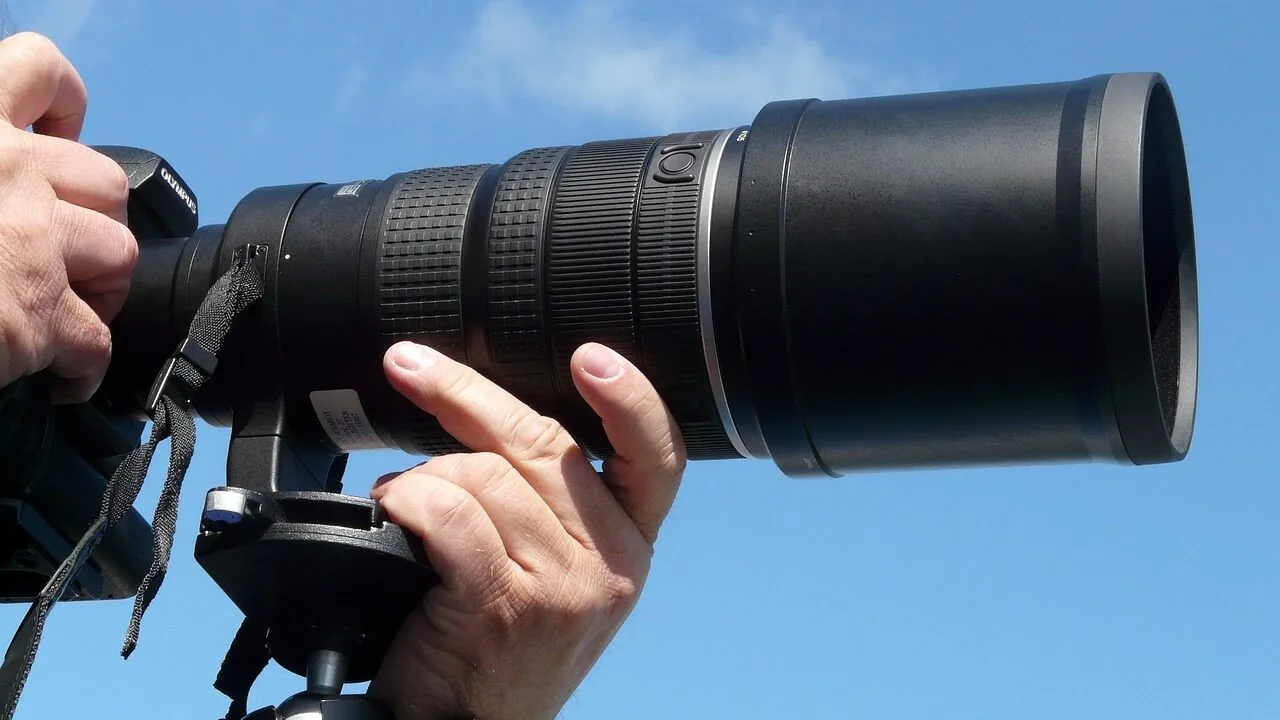
Wildlife photography demands more from a camera than almost any other discipline.
You need blazing autofocus that can lock onto a bird in flight, fast continuous shooting to capture a decisive moment, weather sealing that holds up in rain and dust, and enough dynamic range to rescue a shot taken in the harsh midday sun.
Mirrorless cameras have matured rapidly, and today the best mirrorless options from Canon, Sony, and Nikon outperform even recent DSLRs in nearly every metric that matters in the field.
This guide cuts through the noise and focuses on what actually separates a capable wildlife mirrorless camera from one that will leave you frustrated.
REMOVU researched each model using a synthesis of published specifications, expert review consensus, and verified buyer feedback, then assigned every camera a REMOVU Score on a 0 to 10 scale.
Whether you are a weekend birdwatcher or a dedicated nature photographer chasing big game, the picks below represent the strongest performers at every price tier.
Read on for our top-ranked selections, then dive into the buying guide to understand exactly what to look for before you spend.

Canon EOS R6 Mark II Full-Frame Mirrorless Kit
A hybrid workhorse built for photographers and videographers who refuse to compromise between stills and motion. The 24.2MP full-frame sensor pairs with intelligent autofocus covering the entire frame and in-body stabilization up to 8 stops, while the included RF 24-105mm lens handles everyday shooting without extra gear. Best suited for content creators and professionals seeking versatile performance in one body.
Pros
- Dual Pixel CMOS AF II with 1,053 zones and deep learning subject detection across people, animals, vehicles, aircraft, trains, and horses
- Exceptional continuous shooting speeds: 12 fps mechanical, 40 fps electronic, with pre-capture up to 30 fps for critical moments
- 8-stop in-body image stabilization effective for both stills and video work
- Compact RF 24-105mm F4-7.1 IS STM lens included, reducing need for additional purchases
- 4.8-star rating from 244 verified reviews reflects strong real-world satisfaction
Cons
- Variable aperture lens (F4-7.1) limits low-light performance and background separation compared to fixed-aperture alternatives
- ISO expandability to 204800 suggests base ISO performance may require careful exposure management in extreme conditions
- Full-frame hybrid capability comes at premium pricing tier, not accessible for budget-conscious buyers

Nikon Z6 III Full-Frame Mirrorless Camera
Nikon's Z6 III brings professional-grade video and autofocus performance to a compact mirrorless body. The 24.5MP sensor pairs with a new EXPEED 7 processor to deliver 6K/60p internal RAW recording, 120 fps continuous shooting, and advanced multi-subject autofocus that rivals flagship models. Best suited for hybrid creators and professionals balancing stills and video work.
Pros
- 6K/60p internal N-RAW video recording with 4K/120p and Full HD/240p slow motion capabilities
- Industry-leading autofocus with nine-subject detection and AF performance 20% faster than Z6 II
- Best-in-class 4000-nit EVF with 5760k-dot resolution and 120 fps refresh rate for accurate real-time viewing
- Exceptional low-light performance with ISO 100-64000 range and Starlight View Mode for near-darkness composition
- Up to 8 stops of built-in image stabilization with Focus Point VR for handheld video stability
Cons
- Premium pricing positions it at the higher end of the mirrorless market, making it less accessible for enthusiasts on tight budgets
- Dual card slot setup (SD UHS-II and CFexpress Type B) requires investment in CFexpress cards for full RAW video workflow
- 6K RAW recording generates large file sizes that demand significant storage and processing power for post-production

Canon EOS R6 Mark II Full-Frame Mirrorless Camera
A professional-grade mirrorless camera built for hybrid shooters who demand high-speed capture and cinematic video in one body. The 24.2MP sensor pairs with advanced AI autofocus, 40fps electronic shooting, and 4K 60p recording to handle everything from sports to filmmaking without compromise.
Pros
- Exceptional autofocus system with deep learning AI for eyes, faces, animals, and vehicles across nearly 100% of frame
- Impressive continuous shooting at 40fps (electronic) or 12fps (mechanical), plus pre-shooting and RAW burst modes
- Professional video capabilities including 6K oversampled 4K 60p, Canon Log 3, and unlimited recording time
- Bright 0.5-inch OLED viewfinder with 3.69 million dots and 120fps refresh rate for accurate framing
- Dual SD UHS-II card slots and included 64GB memory card plus shoulder bag provide ready-to-shoot value
Cons
- No in-body image stabilization mentioned in specifications, which may limit handheld video and telephoto work
- 24.2MP resolution is moderate for ultra-high-resolution landscape or studio work compared to higher MP competitors
- Premium positioning means body-only pricing sits at the high end of the mirrorless market

Sony Alpha a7 III Full-Frame Mirrorless Camera
A capable full-frame mirrorless camera built around a 24.2MP back-illuminated sensor and 693-point autofocus system that covers 93% of the frame. The a7 III excels at continuous shooting up to 10fps with silent operation, eye-tracking autofocus for portraits, and 5-axis image stabilization across a compact body. Well-suited for hybrid photo and video work, especially portraiture and fast-paced situations where reliability matters.
Pros
- Extensive 693-point phase-detection AF with 425 contrast-detection points delivers fast, accurate focus tracking even on moving subjects
- Eye AF with AF-C mode revolutionizes portrait work by maintaining focus on eyes during continuous shooting
- 5-axis in-body stabilization provides 5.0-step shutter speed advantage, enabling handheld shots in low light
- Silent shooting at up to 10fps with AF/AE tracking eliminates shutter noise for discreet capture
- 4K HDR recording with HLG profile and 2.4x oversampling supports professional video workflows
Cons
- Kit lens (28-70mm F3.5-5.6) is slower and less versatile than premium alternatives, limiting low-light performance
- ISO expandable range claims (ISO 50-204,800) require specific settings and may introduce noise at extremes
- 3.0-inch tilting LCD is smaller and less flexible than fully articulating screens on competing models

Canon EOS R10 24.2MP Mirrorless with 18-150mm Lens
Canon's APS-C mirrorless brings solid all-around performance in a compact, travel-friendly body. The 24.2MP sensor pairs with Dual Pixel CMOS AF II for reliable autofocus across portraits, action, and video work, while 4K 60p recording and up to 23 fps shooting keep pace with demanding creators. Bundle includes the versatile 18-150mm lens, memory card, and bag, making it a practical entry point to the EOS R system.
Pros
- Advanced Dual Pixel CMOS AF II with subject detection and tracking across 651 AF points, including low-light focusing down to -4 EV
- 4K 60p video with oversampled 6K recording for sharpness and reduced noise, plus 120p Full HD for slow-motion
- Fast continuous shooting up to 23 fps with electronic shutter and full AF/AE per frame
- Lightweight, compact APS-C design with Wi-Fi and Bluetooth for on-the-go sharing and remote control
- Broad ISO range from 100-32000 expandable to 51200 for flexible low-light performance
- Full compatibility with Canon RF-S, RF, EF, and EF-S lenses for future flexibility
Cons
- 4K 60p uses a cropped sensor area; 4K 30p with full oversampled 6K is the higher-quality video option
- No in-body image stabilization mentioned, relying on lens-based stabilization
- APS-C sensor is smaller than full-frame alternatives, which may impact low-light performance compared to higher-end models

Sony Alpha A6400 Mirrorless Camera with 18-135mm Lens
This APS-C mirrorless camera pairs a 24.2MP sensor with industry-leading autofocus speed, making it capable of capturing fast-moving subjects and 4K video with minimal noise. The bundled 18-135mm lens and extensive accessories make it a complete kit for photographers stepping into mirrorless systems, though the camera body itself is compact and lightweight.
Pros
- World's fastest autofocus with Fast Hybrid AF for both stills and video tracking
- 24.2MP APS-C sensor delivers sharp images with strong detail retention for enlargements
- 4K UHD video recording at 60p, 60i, or 24p with fast autofocus during filming
- Comprehensive bundle includes 64GB memory card, two batteries with charger, filters, tripod, and carrying case
- Versatile 18-135mm lens with optical stabilization and quiet AF for most shooting scenarios
Cons
- Bundle includes generic software and accessories that may duplicate existing gear for experienced photographers
- No weather sealing mentioned, limiting durability in harsh environmental conditions
- Battery capacity (1300mAh) is modest for extended shooting sessions without frequent charging

Nikon Z50 II Two-Lens Mirrorless Kit with 4K Video
This compact APS-C mirrorless camera bundles two versatile zoom lenses and delivers 4K/60p video alongside a 20.9-megapixel sensor, making it a capable all-in-one for travel, portraiture and casual video work. The 31 built-in color presets and intelligent autofocus tracking across nine subject types simplify creative shooting, while wireless cloud connectivity streamlines sharing and preset management.
Pros
- Two optically-stabilized lenses included (16-50mm and 50-250mm) cover wide to telephoto range without additional purchases
- Intelligent multi-subject autofocus automatically detects and tracks people, animals, vehicles and aircraft with dedicated bird and airplane modes
- 4K/60p video with 120p Full HD slow motion and electronic stabilization suitable for handheld capture and streaming
- 31 color presets plus cloud-based Picture Control downloads offer accessible creative control without deep editing knowledge
- Lightweight and compact design with flip-out touchscreen and low-profile viewfinder built for travel and everyday carry
Cons
- DX format sensor limits low-light performance and crop factor restricts wide-angle reach compared to full-frame alternatives
- Variable aperture lenses (f/3.5-6.3) reduce light gathering and shallow depth-of-field capability versus fixed-aperture options
- Cloud connectivity and wireless features require smartphone pairing and compatible Nikon apps, adding setup complexity for basic workflows

Canon EOS R100 Double Zoom Mirrorless Kit
A compact mirrorless camera built for everyday photography and video, the EOS R100 pairs a 24.1MP APS-C sensor with two versatile lenses that cover wide to telephoto ranges. The bundle delivers solid autofocus performance with face and eye detection, plus practical features like 4K video recording and silent mode, making it accessible for creators stepping up from smartphones or entry-level DSLRs.
Pros
- Two included lenses provide immediate versatility without additional purchases, covering 29-72mm and 120-480mm equivalent focal lengths
- Dual Pixel CMOS AF with face and eye detection covers up to 88% horizontal and 100% vertical of frame for reliable focus
- Compact and lightweight design, the smallest in the EOS R series, with professional grip and 0.39-inch OLED viewfinder
- 4K video at 24fps plus 120fps HD slow-motion, with STM lens ensuring quiet autofocus for minimal audio distraction
- Optical image stabilization up to 4 stops on standard lens helps capture sharper images in low light without flash
Cons
- Variable apertures on both lenses (F4.5-6.3 and F4-5.6) limit light gathering compared to fixed-aperture alternatives, especially in dim conditions
- No 4K 60fps option, capped at 24fps for 4K video recording
- AF unavailable during 120fps high frame rate recording, and sound is not captured at those speeds

Canon EOS R100 24.2MP Mirrorless with Dual Lens Kit
A lightweight mirrorless camera designed for beginners and content creators, the EOS R100 pairs a 24.2MP APS-C sensor with two versatile lenses for travel, portraits, and everyday shooting. Dual Pixel autofocus and eye detection keep moving subjects sharp, while 4K video capability expands creative options beyond stills. The bundle includes everything needed to start, though the kit lenses have variable apertures that limit low-light performance.
Pros
- Compact and portable design compared to traditional DSLR systems, ideal for travel and daily carry
- Dual Pixel CMOS AF with eye detection ensures accurate focus on moving subjects and candid portraits
- Two-lens kit covers wide-angle to telephoto range, providing versatility for landscapes, portraits, and distant subjects without additional purchases
- 24.2MP APS-C sensor delivers crisp detail and impressive background blur even in challenging lighting
- Complete bundle includes battery, charger, bag, and 64GB card, reducing upfront accessory costs
Cons
- Kit lenses have variable apertures (f/4.5-6.3 and f/4-5.6) that limit performance in low-light situations compared to fixed-aperture alternatives
- No in-body image stabilization mentioned, relying only on lens-based IS for video smoothness
- As an entry-level model, may lack advanced features and customization options experienced photographers expect

Canon EOS R100 24.1MP Mirrorless Camera with 18-45mm Lens
Canon's smallest and lightest EOS R series camera brings 4K video and a 24.1-megapixel APS-C sensor to entry-level creators. The compact body, fast autofocus with eye detection, and included RF-S lens make it accessible for photographers transitioning to mirrorless, though 4K is limited to the sensor's center area at 24 fps.
Pros
- Compact, lightweight design is the smallest in the EOS R lineup, ideal for mobility and travel
- Dual Pixel CMOS AF with face and eye detection covers up to 88% horizontal and 100% vertical of frame
- Continuous shooting at 6.5 fps and high-speed video options (120 fps HD, 60 fps Full HD, 24 fps 4K)
- Built-in Wi-Fi and Bluetooth for wireless file transfer and remote control via Canon Camera Connect app
- 24.1MP APS-C sensor handles low-light situations well without flash, producing natural bokeh
Cons
- 4K recording limited to center portion of sensor at 24 fps, with contrast-based AF during 4K (no eye AF)
- Slower variable aperture lens (f4.5-6.3) included in kit requires more light than faster alternatives
- Maximum 4K video length capped at 7 minutes 29 seconds per clip
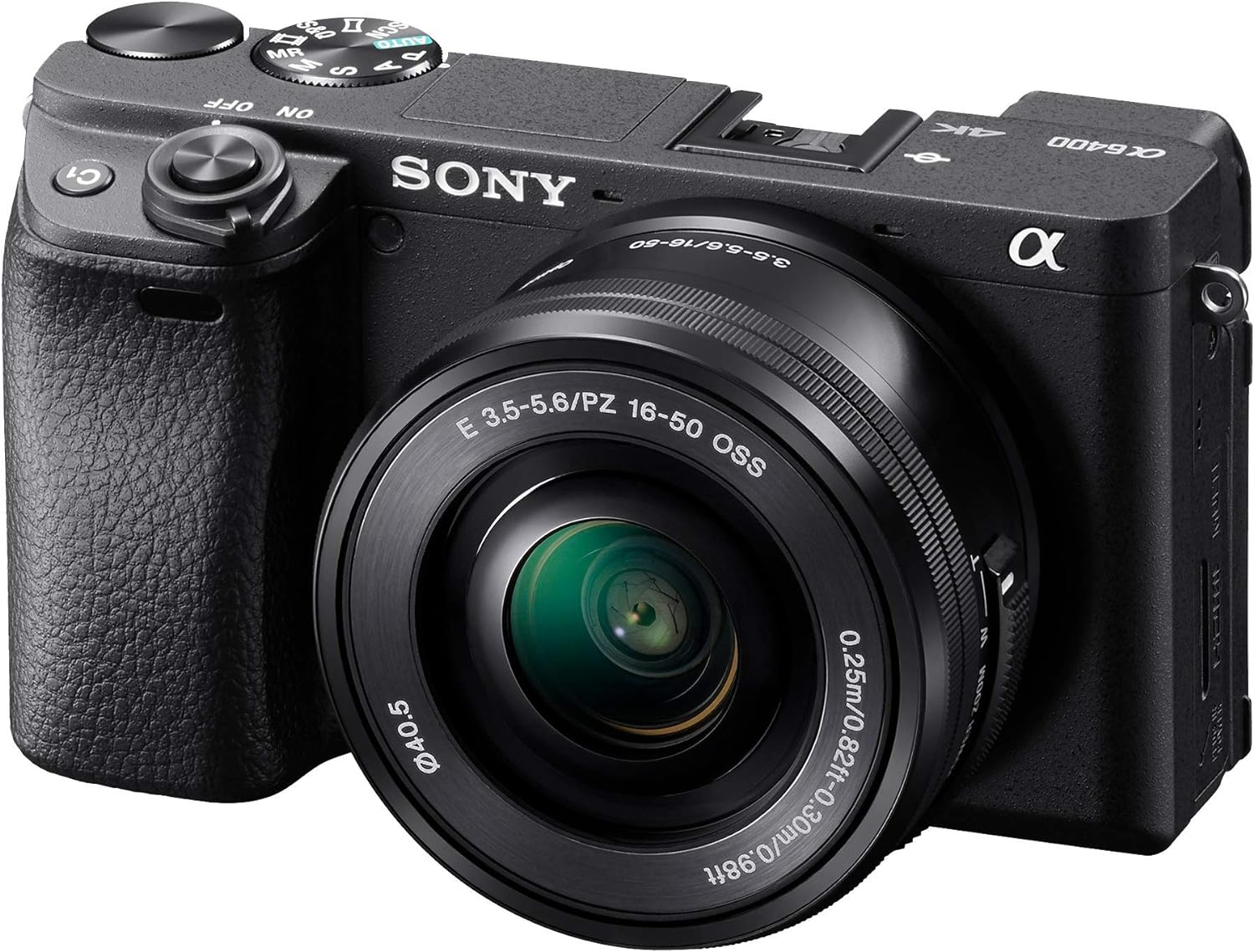
Sony Alpha a6400 24.2MP Mirrorless Camera
Compact APS-C mirrorless camera built for fast-moving subjects and content creators. The standout feature is its 0.02-second autofocus acquisition with Real-time Eye-AF and object tracking across 84% of the sensor. The 180-degree tiltable touchscreen and 4K video capability make it practical for vlogging, while 11fps continuous shooting at full resolution handles demanding scenarios.
Pros
- World's fastest autofocus acquisition at 0.02 seconds with 425 phase and 425 contrast detection points
- Advanced Real-time Eye-AF and object tracking using AI-based recognition algorithms
- 180-degree fully tiltable LCD touchscreen with multiple touch operations, ideal for self-recording and vlogging
- High-speed continuous shooting at 11fps with full autofocus and auto-exposure tracking at 24.2MP
- 4K HDR video with 2.4x oversampling and full pixel readout, plus Full HD 120fps for slow-motion
Cons
- 4K video recording limited to approximately 29 minutes per clip due to file format constraints
- Requires UHS-I U3 SDHC/SDXC memory cards for optimal 100Mbps 4K recording performance
- Operating temperature range restricted to 0-40°C, limiting use in extreme cold conditions

Canon EOS R10 24.2MP Mirrorless Camera Kit
A compact mirrorless camera built for travel and hybrid content creation, the EOS R10 pairs a 24.2MP APS-C sensor with dual lens bundle coverage from 18mm to 300mm. Standout features include 4K oversampled from 6K, reliable Dual Pixel autofocus for tracking subjects, and fast mechanical shooting at 15 fps, making it capable for both stills and video without premium pricing.
Pros
- 4K video oversampled from 6K data with up to 60p frame rate and Full HD 120p slow motion option
- Dual Pixel CMOS AF II with subject detection for people, animals, and vehicles across the frame
- Lightweight, portable design with built-in Wi-Fi and Bluetooth for remote sharing via Canon Camera Connect
- Dual lens bundle (18-150mm and 75-300mm) covers wide landscapes through distant telephoto in one kit
- 15 fps mechanical and 23 fps electronic shooting speeds for fast action capture
Cons
- APS-C sensor and kit lenses are entry-level spec, not suited for professional studio or high-resolution print work
- No in-body image stabilization, relying on lens-based IS for video smoothness
- Limited battery life typical of mirrorless design, single LP-E17 battery included may require extras for full-day shooting
Mirrorless Cameras for Wildlife Buying Guide
Choosing a mirrorless camera for wildlife is not simply a matter of picking the highest megapixel count or the most expensive body.
The right camera depends on your shooting environment, the subjects you chase, the lenses you already own, and how much weight you are willing to carry through rough terrain.
The sections below walk through the criteria that matter most, so you can match a camera to your real-world needs rather than a spec sheet.
Autofocus System and Subject Tracking
Autofocus is the single most important specification for wildlife photography. A camera that hesitates for even a fraction of a second when a bird changes direction or a predator breaks into a run will cost you the shot.
Modern mirrorless cameras use phase-detection AF points spread across the sensor, and the best systems now offer real-time animal-eye and subject-recognition tracking powered by dedicated AI processors.
Canon’s Dual Pixel CMOS AF II, found in the EOS R6 Mark II, is widely praised by expert reviewers for its deep subject recognition, including birds, insects, and vehicles, all within a single firmware framework.
Sony’s Real-Time Eye AF and object tracking, available in the a6400 and a7 III, set an early benchmark that competitors have been chasing ever since.
When evaluating any camera in this category, look for published AF point counts that cover most of the frame and confirmed animal-eye detection, not just face detection.
For telephoto lenses in particular, accurate subject tracking reduces the need to manually reframe, which is invaluable when a subject is moving unpredictably.
Prioritise cameras with confirmed bird and animal recognition over those with generic subject modes, since wildlife rarely cooperates with a camera that can only find human faces.
Continuous Shooting Speed and Buffer Depth
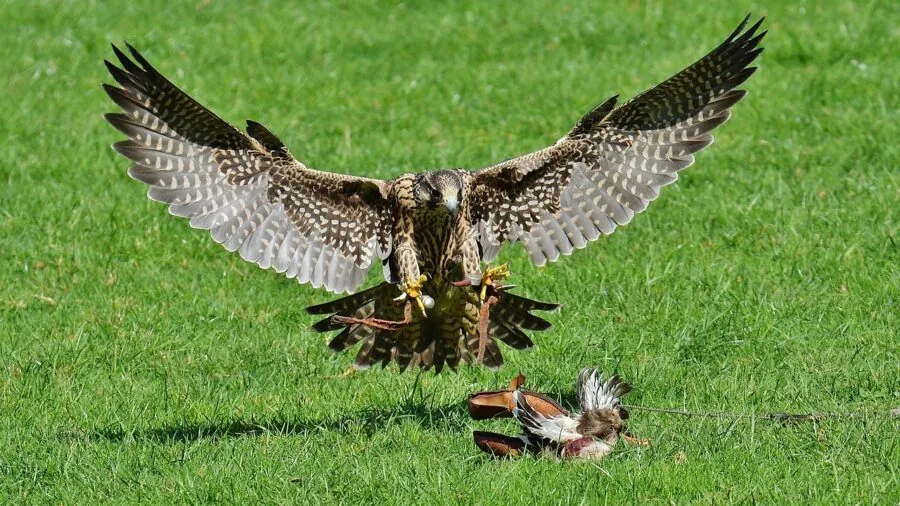
Burst rate, measured in frames per second, determines how many chances you have to capture a peak moment. Wildlife action, especially birds in flight or animals mid-leap, can unfold and conclude in under a second.
A camera capable of sustained high-speed bursts dramatically increases your keeper rate compared to one that tops out at five or six frames per second.
Equally important is buffer depth, meaning how many frames the camera can write before it slows down waiting for the card to clear.
A camera that shoots at twelve frames per second but fills its buffer after twenty shots is far less useful in the field than one that can sustain a burst for several seconds without stuttering.
Pay attention to the card format a camera supports: CFexpress cards are dramatically faster than standard SD cards and make a meaningful practical difference when shooting RAW files at high burst rates.
Mirrorless cameras also benefit from an electronic shutter option, which allows silent shooting at higher burst speeds without the mechanical wear of a conventional shutter. This is particularly useful around shy or noise-sensitive subjects.
Check whether a camera’s top electronic shutter speed comes with any rolling-shutter caveats at the frame rates you plan to use.
Sensor Size and Image Quality
Full-frame sensors generally offer superior high-ISO performance and dynamic range compared to APS-C sensors, which matters when you are shooting at dawn or dusk or in the shade of a dense forest canopy.
Models like the Nikon Z6 III and Canon EOS R6 Mark II use full-frame sensors and deliver cleaner files at elevated ISO settings, giving you more latitude to recover shadows or tame highlights in post-processing.
APS-C cameras, such as the Sony a6400 and Canon EOS R10, offer a practical advantage that is easy to overlook: the crop factor effectively extends the reach of any lens you attach.
A 300mm lens on an APS-C body frames like a 450mm equivalent on a full-frame body, which is a genuine benefit when you cannot get close to your subject.
This makes APS-C cameras a compelling option for telephoto-heavy wildlife work, especially when budget or bag weight is a constraint.
You can browse the wider range of camera and photo gear we cover if you want to compare categories side by side.
Megapixel count matters less than many buyers assume. For wildlife, a 20 to 25 megapixel sensor provides plenty of resolution to crop tightly in post without sacrificing detail, and these sensors typically out-perform higher-resolution alternatives when the light drops.
Very high megapixel counts slow burst rates and produce larger files that strain both buffers and storage.
In-Body Image Stabilization

In-body image stabilization (IBIS) compensates for camera shake on multiple axes, which is especially valuable when handholding heavy telephoto lenses in low light or from unstable positions like a boat or blind.
The best systems in this class now claim up to eight stops of compensation, a figure that can be the difference between a sharp image and a blurry one in marginal conditions.
IBIS works in combination with optically stabilized lenses on most systems, further improving the effective compensation.
When a lens features optical stabilization and the body has IBIS, the two systems communicate to divide the stabilization task, delivering better results than either alone.
Check the published stabilization rating for the specific camera-and-lens combination you plan to use, since the claimed stops of compensation vary between combinations.
For video-oriented wildlife shooters, IBIS is even more critical. Handheld 4K footage at longer focal lengths becomes usable only when the stabilization system is genuinely effective.
If you shoot video alongside stills, prioritise cameras with confirmed active stabilization modes in addition to standard IBIS.
Pairing your camera with a reliable tripod or gimbal remains the most effective stabilization solution for extended video work from a fixed position.
Weather Sealing and Build Quality

Wildlife photography rarely happens in studio conditions. Rain, dust, humidity, and temperature extremes are facts of life in most natural environments.
A camera body with robust weather sealing, typically described as dust- and drip-resistant construction with sealed buttons, dials, and card slots, gives you confidence to keep shooting when conditions deteriorate rather than packing up early.
Not all weather sealing is equal, and manufacturers rarely specify the precise IP rating of their camera bodies. As a general rule, enthusiast and professional-tier bodies offer more comprehensive sealing than entry-level models.
If you regularly shoot in genuinely challenging conditions, such as coastal saltwater spray, heavy tropical rain, or fine Saharan dust, the investment in a well-sealed body is justified and pays off over time.
Build quality also affects ergonomics. Longer sessions in the field require a grip that is deep enough to hold securely with a heavy lens attached, and controls that are accessible with gloves on.
Many wildlife photographers also carry an action camera as a secondary body for remote or hazardous placements, so it is worth thinking about how your kit works as a system rather than evaluating each piece in isolation.
Lens Ecosystem and Long-Term Value
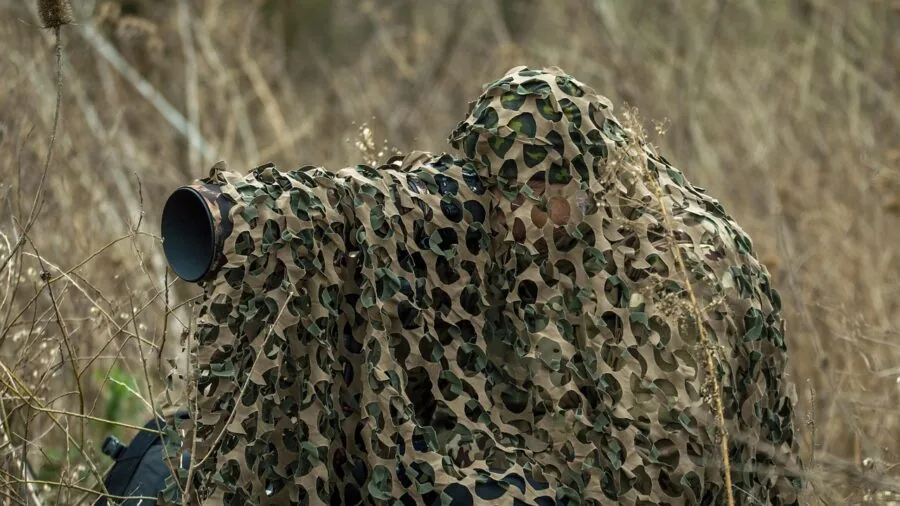
A mirrorless camera body is only as capable as the lenses available for its mount.
Canon RF, Sony E-mount, and Nikon Z mount all have mature ecosystems with strong wildlife-specific telephoto options, but the availability and cost of long lenses varies considerably between brands.
Before committing to a system, verify that the telephoto or super-telephoto lenses you intend to use are available, affordable, and optically strong for your mount.
Entry-level kit lenses bundled with cameras such as the Canon EOS R100 or the Sony a6400 are practical for everyday shooting but will limit your effective reach in a wildlife context.
Investing in a dedicated wildlife lens, typically a 100 to 400mm or 150 to 600mm zoom, transforms what is possible with any of the bodies in this guide.
Third-party options from Sigma and Tamron have matured significantly and often deliver excellent optical performance at a fraction of first-party prices.
Think about long-term compatibility when choosing a system. If you already own a collection of Canon EF or Sony A-mount glass, adapters allow you to use those lenses on modern mirrorless bodies, often with full autofocus support.
This can dramatically reduce the cost of switching systems and is a key reason many wildlife photographers have migrated to mirrorless without abandoning their existing glass investment.
For drone-based aerial wildlife work, a separate camera drone remains the most practical tool for overhead perspectives that no conventional mirrorless setup can replicate.
Why You Should Trust Us
REMOVU is an independent review publication with no manufacturer affiliations and no preference for any particular brand or price tier.
Every camera in this guide was evaluated using a consistent, multi-source research methodology: we analyze published specifications and manufacturer data, synthesize expert review consensus from across the photography press, and weight verified buyer feedback from confirmed purchasers who have used these cameras in real shooting situations.
Each product is then scored on the REMOVU Score scale from 0 to 10, which reflects overall value, performance, and fit for the stated use case.
We do not conduct our own product trials; our evaluations are grounded in research, published data, expert review consensus, and verified buyer feedback.
This means our conclusions are not influenced by a single reviewer’s subjective experience on a single day, but by a broad synthesis of how these cameras perform across a wide range of real-world conditions and shooting styles.
REMOVU may earn a commission when you purchase through links on this page. That affiliate relationship has no bearing on which products we recommend, how we rank them, or what scores they receive.
Our rankings are determined entirely by research quality and REMOVU Score, not by commission rates. If a product scores poorly, it appears lower in our list or is excluded entirely, regardless of commercial considerations.
Final Thoughts
The mirrorless cameras for wildlife photography covered in this guide span a wide range of budgets and capability levels, but each earns its place through a combination of autofocus performance, build quality, and real-world usability in demanding outdoor conditions.
Here are the standout picks, each recognised for a specific strength:
- Best Overall: Canon EOS R10 Mirrorless Camera Kit with RF-S 18-150mm and RF 75-300mm Lenses earns the top REMOVU Score in this roundup thanks to its combination of Dual Pixel CMOS AF II, compact APS-C sensor advantages for reach, and a versatile two-lens kit that covers everything from habitat shots to tightly framed action. It is the most comprehensively capable package at its tier for wildlife shooters who want to get started without hunting for additional glass.
- Best Full-Frame Value: Canon EOS R6 Mark II with RF 24-105mm Lens Kit delivers the highest REMOVU Score among full-frame bodies in the group. Its subject-recognition AF, eight-stop IBIS, and sustained burst performance make it the benchmark for serious wildlife photographers who want full-frame image quality without stepping up to a professional-tier price point.
- Best for Video-Driven Wildlife Work: Nikon Z6 III stands out for its 6K internal RAW recording and Expeed 7 processor, offering the most capable hybrid stills-and-video performance in this roundup for photographers who document wildlife in both formats professionally.
- Best APS-C All-Rounder: Sony Alpha a6400 with 16-50mm Lens remains one of the most highly regarded compact mirrorless cameras for wildlife entry points, with Real-Time Eye AF and object tracking that punches well above its compact format and competitive price tier.
- Best Budget Starting Point: Canon EOS R100 offers the lowest barrier to entry in this group while still delivering Dual Pixel AF and 4K video in a genuinely pocketable APS-C body, making it a sensible first mirrorless camera for wildlife enthusiasts building their kit incrementally.
Wildlife photography is as much about preparation and patience as it is about gear, but having the right camera behind your eye removes the technical barriers between you and the moment.
Any of the cameras above will serve you better in the field than the vast majority of older DSLRs, and the best among them rival professional tools that cost significantly more.
Browse our wider camcorder and video camera coverage if you also capture wildlife in dedicated video form, and check out our flashes and lighting section for macro and nocturnal wildlife setups that require supplemental light.
Frequently Asked Questions
Do I need a full-frame mirrorless camera for wildlife photography?
Not necessarily. Full-frame sensors provide superior high-ISO performance and dynamic range, which benefits low-light shooting at dawn or dusk.
However, APS-C cameras offer a crop-factor advantage that effectively increases the reach of any telephoto lens, which is genuinely useful when you cannot get physically close to your subject.
Many professional wildlife photographers use APS-C bodies as secondary cameras precisely for this reason. Your choice should depend on the subjects you shoot, the light conditions you typically encounter, and the lenses you plan to use.
What autofocus features should I look for in a wildlife mirrorless camera?
Prioritise cameras with real-time animal-eye detection and subject-recognition tracking rather than generic face detection. The ability to identify and track birds specifically is now available on several models in this guide and makes a dramatic practical difference for bird photography.
Also look for wide AF-point coverage across the sensor, fast phase-detection acquisition, and the ability to maintain subject lock during erratic movement. Burst rate and AF speed work together, so evaluate them as a combined system rather than separately.
How important is weather sealing for outdoor wildlife photography?
Weather sealing matters more the more extreme your shooting environments are. For occasional outings in mild conditions, an unsealed camera is workable with reasonable care.
For regular shooting in rain, dust, or coastal spray, a properly sealed body protects your investment and keeps you shooting through conditions that would force an unsealed camera to be packed away.
Mid-range and above models in this roundup generally offer more comprehensive sealing than entry-level bodies, and this is one area where spending a little more pays dividends over the life of the camera.
Can I use my existing DSLR lenses on a new mirrorless camera body?
In most cases, yes. Canon EF lenses mount on EOS R bodies via the Canon Mount Adapter EF-EOS R with full autofocus support, including the fast Dual Pixel CMOS AF system.
Sony A-mount lenses work on E-mount bodies through the LA-EA series adapters. Nikon F-mount glass adapts to Z-mount bodies via the FTZ II adapter with AF support for most lenses.
This backward compatibility is one of the strongest arguments for staying within a brand ecosystem when transitioning from DSLR to mirrorless, since it lets you reuse expensive telephoto glass while gaining all the mirrorless AF and burst advantages.
If you are also considering aerial perspectives for your wildlife work, camera drones offer a complementary tool that no lens adapter can replicate.
Is 4K video worth considering in a wildlife mirrorless camera?
4K video capability is now standard across virtually all mirrorless cameras in this guide, so it is less a differentiator and more a baseline expectation.
What varies is the quality of that 4K output: some cameras downscale from a larger area of the sensor for cleaner footage, others use a cropped region that affects effective focal length, and premium options like the Nikon Z6 III record internally in RAW at very high resolutions.
If video is a meaningful part of your wildlife documentation, look beyond the “4K” label and check the specific recording mode, any crop factor in video, the codec used, and whether the autofocus system performs as reliably in video as it does for stills.
The laptops best suited for video editing are also worth considering if your wildlife footage needs serious post-production work.
What accessories are most important for wildlife mirrorless photography?
Beyond the camera body and a capable telephoto lens, a sturdy tripod or gimbal head is arguably the most impactful accessory for wildlife work, particularly for long lenses or extended video sessions.
Extra batteries are essential since mirrorless cameras consume power more quickly than DSLRs, especially with continuous AF and electronic viewfinder use. Fast memory cards, preferably CFexpress where your camera supports it, remove buffer bottlenecks during high-speed bursts.
A quality camera bag with weatherproof construction protects your gear in transit and in the field.
Finally, a dedicated flash or portable lighting solution becomes relevant if you photograph nocturnal wildlife or work in forest interiors where ambient light is severely limited.
About the author
Jamie is REMOVU's gaming monitor writer, comparing refresh rate, response time, and motion clarity across panel types. He helps players find smooth, responsive displays at every budget.