9 Tips You Need to Know About the iPhone Ultra Foldable Before You Buy
What to know about Apple's foldable iPhone before the big reveal: specs, features, price, and what you'll gain (and lose).
 By Eleanor Garcia
Updated August 27, 2026
By Eleanor Garcia
Updated August 27, 2026
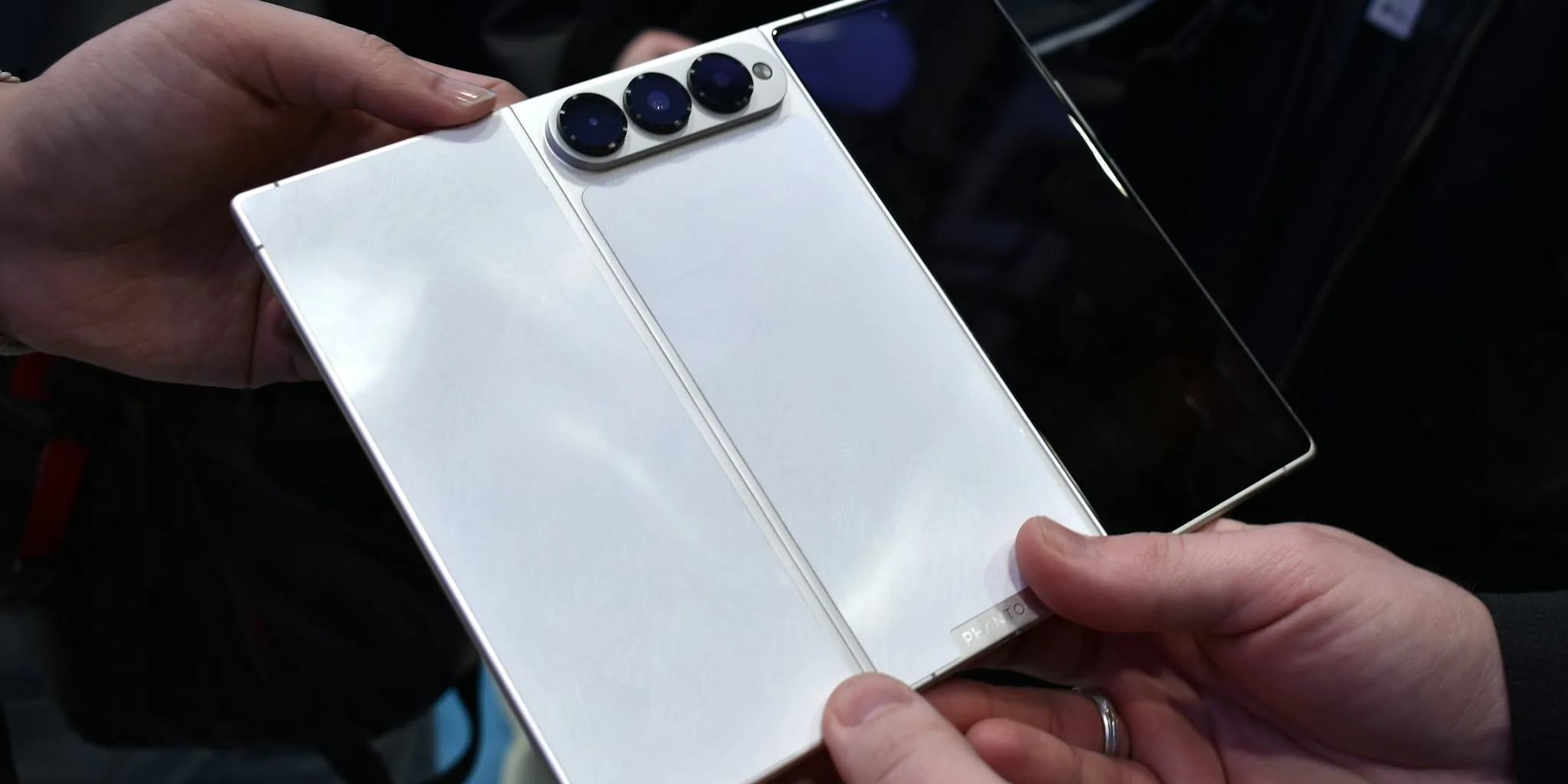
Apple’s first foldable phone, the iPhone Ultra, is expected to shake up the premium smartphone market. Before you consider dropping over $2,000 on this device, it’s important to understand its key features, trade-offs, and how it compares to existing options. Here’s what you should know to make an informed decision.
1. It’s the Thinnest iPhone Design Ever
The iPhone Ultra will measure just 4.5mm thick when fully open, making it the thinnest iPhone ever produced. When folded closed, it will measure between 9 and 9.5mm, comparable to leading competitor models. This slim profile allows the device to slip into pockets like a compact passport, though the overall shape takes some getting used to.
2. You Get Two Different Screen Sizes
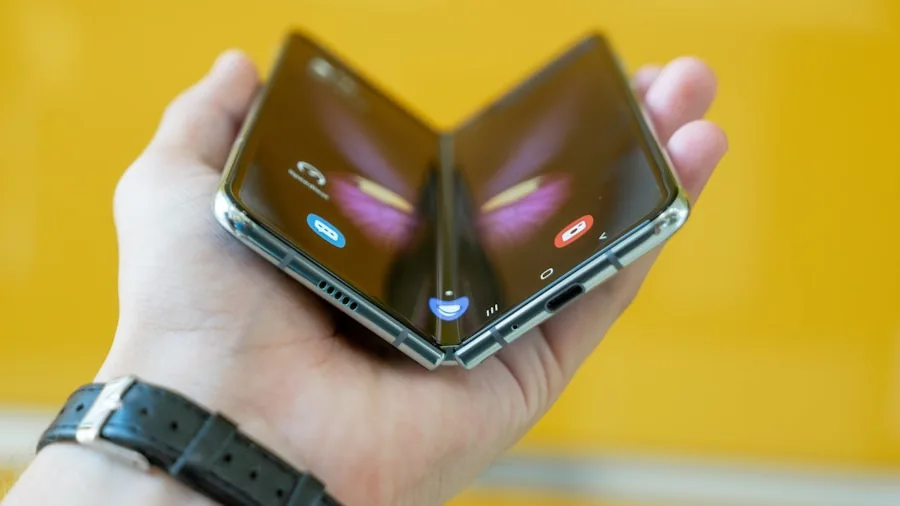
The appeal of a foldable lies in its versatility. When closed, you’ll have a 5.5-inch display for daily tasks like messaging and scrolling. Unfold it, and you gain access to a 7.8-inch screen optimized for video and gaming. The inner display uses a 4:3 aspect ratio for media consumption, but you can rotate it to portrait mode for web browsing and reading. This dual-screen approach gives you compact portability with expanded functionality when needed.
3. The Crease Is Nearly Undetectable
One of the biggest complaints about competing foldables is the visible crease down the center of the display. Apple has reportedly spent considerable effort minimizing this flaw using a Liquid Metal hinge design and innovative material properties. Industry reports suggest the crease will be practically invisible during everyday use, bringing this foldable closer to a seamless experience than many existing alternatives.
4. The Design Is Compact but Asymmetrical
Don’t expect a symmetrical front when closed. Leaks indicate the left side will be squared off while the right rounds out. The front camera placement may sit in the top right corner rather than centered, creating an unconventional appearance. While this asymmetry might feel odd at first, it helps achieve that pocket-friendly, passport-like form factor.
5. Camera Setup Has a Notable Limitation
At a $2,000-plus price point, you might expect flagship camera hardware, but here’s a trade-off: the iPhone Ultra will feature only two rear cameras, a wide lens and ultra wide lens. That means no telephoto zoom capability. Competitors often include optical zoom on premium devices, so this limitation stands out. You’ll rely on digital zoom, which doesn’t deliver the same image quality as optical magnification. If zoom photography matters to you, this is worth considering carefully.
6. Two Color Options Are Expected
Initial rumors suggested the iPhone Ultra would launch in silver and black, but recent component leaks point to silver and indigo blue as the final color lineup. Both options should match Apple’s premium positioning and appeal to those seeking a distinctive look compared to standard iPhone models.
7. Software Is Optimized for the Foldable Form
Running iOS 27, the iPhone Ultra will include specialized features designed specifically for foldable phones. The operating system will recognize different display angles and adjust the interface accordingly, similar to competitor flex modes. Apps will feature adaptability, meaning developers can optimize them for the larger unfolded screen. Additionally, you’ll enjoy split-screen multitasking like an iPad, allowing you to run two apps simultaneously side by side.
8. Authentication Uses Touch ID, Not Face ID
The complex hinge mechanism and foldable design don’t leave room for the TrueDepth sensors required for Face ID. Instead, Apple is integrating a Touch ID sensor into the side power button, matching the approach used in iPads. While some users may prefer Face ID’s convenience, Touch ID offers reliable and consistent unlocking performance for most daily scenarios.
9. Battery Life and Performance Should Be Solid

The iPhone Ultra will reportedly use Apple’s A20 Pro chip, the first smartphone processor built on a 2nm manufacturing process. This advancement allows for more transistors and improved efficiency, potentially delivering up to 15 percent faster performance and 30 percent better power efficiency compared to the previous generation. Battery capacity sits around 4,883mAh split between dual cells, which should provide a full day of use in most situations. While it’s less than the largest standard iPhones, it’s comparable to Samsung’s premium foldable offerings.
The Price Is Steep
Expect to pay at least $2,000, with some predictions suggesting prices reaching $2,500. Competing foldables like Samsung’s Galaxy Z Fold 8 start at $1,900, so Apple’s entry will command a premium. The company may offer leasing programs to ease the financial burden. Consider whether the foldable form factor justifies the cost versus premium non-foldable alternatives that offer additional camera capabilities and established ecosystems. Before committing to this investment, evaluate whether a foldable truly aligns with your daily usage patterns and needs, and compare the total cost of ownership over the device’s lifespan.
About the author
Eleanor covers smartphones for REMOVU, balancing cameras, battery life, and software support against price. She helps readers find the best value as the field shifts with every release.