5 Ways to Strengthen Your Home Wi-Fi Security Right Now
Simple steps to make your Wi-Fi much harder to hack, including an unusual password trick.
 By Ava Herrera
Updated August 28, 2026
By Ava Herrera
Updated August 28, 2026
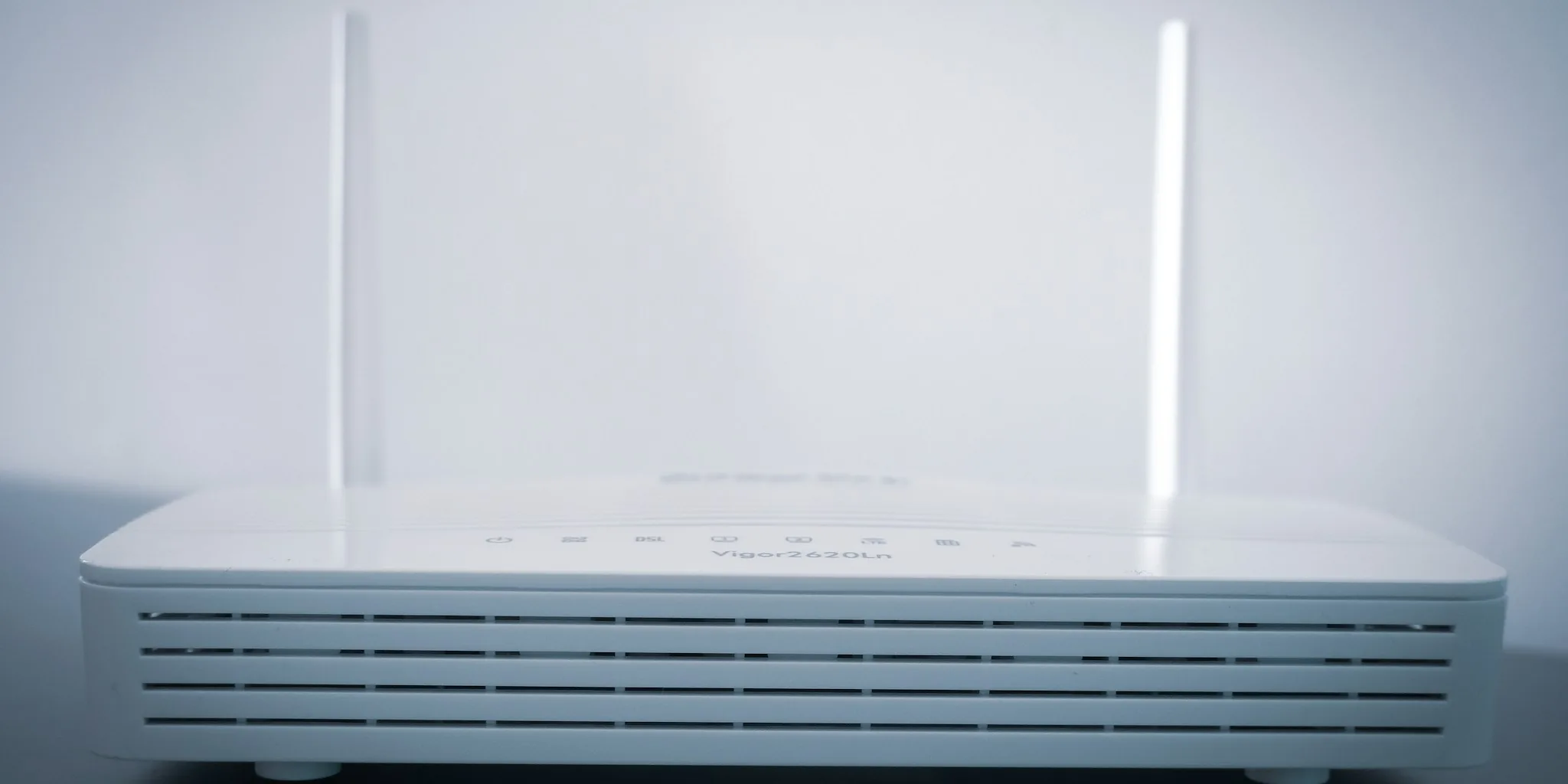
Home Wi-Fi security matters more than ever. With hackers constantly finding new ways to break into networks, taking action to protect your home setup is no longer optional, it’s essential. The good news is that strengthening your Wi-Fi defense doesn’t require expensive equipment or complicated technical knowledge. You can implement several practical strategies today that will make your network significantly harder to penetrate.
1. Use Emoji Characters in Your Network Password
One surprisingly effective method to boost security is incorporating emoji into your Wi-Fi password and network name. Modern hacking tools simply aren’t designed to recognize or process emoji characters, which means they become useless against passwords that include them. This creates an almost impenetrable barrier against current attack methods, at least until hackers update their tools to support these characters.
The catch is compatibility. Older devices, e-readers, printers, and gadgets with limited input capability may struggle to connect if your network credentials contain emoji. Before implementing this strategy, verify that all your household devices support modern character sets. For households with newer smartphones, laptops, and tablets, this approach provides a substantial security boost with minimal effort.
2. Create a Strong, Unique Network Password

Your Wi-Fi password should be completely different from passwords you use for email, banking, or other sensitive accounts. A strong network password combines uppercase letters, lowercase letters, numbers, and special characters into a combination that cannot be easily guessed. The longer your password, the harder it becomes for attackers to crack, even with sophisticated tools.
Avoid using common phrases, birthdays, anniversaries, or anything directly connected to your name or address. Consider using a password manager to generate and store complex passwords, ensuring you never reuse weak combinations across different systems. This single practice eliminates a massive vulnerability in most home networks.
3. Set Up a Separate Guest Network
Your primary network doesn’t need to be open to every visitor. Establish a dedicated guest network with its own password and security settings, keeping your main network isolated from devices that don’t need access to your personal files, computers, or storage. This approach limits the damage that could occur if someone gains unauthorized access through a guest connection.
Guest networks typically operate on restricted bandwidth and cannot access your main devices, which adds another layer of protection. When friends or family visit, provide them with the guest network credentials instead. This practice is especially important if you run a small business from home or store sensitive documents on your network. For additional context on managing multiple connected devices, resources discussing power management solutions can help with understanding device connectivity patterns.
4. Disable Remote Management Features
Most routers come with remote management options enabled by default, allowing the manufacturer or service provider to access your equipment from anywhere. While this sounds convenient, it creates a potential backdoor for attackers. Disable any remote management settings in your router’s admin panel to ensure that only devices physically connected to your network can make changes.
This simple step removes a significant attack vector that many users don’t even know exists. Once you’ve configured your router the way you want it, remote access becomes unnecessary for most households. The time it takes to disable this feature is well worth the security improvement.
5. Keep Your Router Firmware Updated

Router manufacturers regularly release firmware updates that patch security vulnerabilities discovered in previous versions. Set up automatic updates if your router supports them, or manually check for updates monthly. Outdated firmware is one of the most common reasons home networks become vulnerable to attacks.
Check your router’s admin settings to see if it’s running the latest firmware version available. If an update is waiting, install it immediately. This practice keeps your network protected against newly discovered threats without requiring any additional purchases or complex configuration changes. For those managing multiple smart devices, understanding device security parallels the principles discussed in consumer device security reviews.
Why These Steps Matter
Each of these strategies addresses different vulnerabilities in typical home network setups. Together, they create multiple obstacles that make your Wi-Fi an unattractive target for attackers. Understanding how security tools work and why certain practices matter helps you make informed decisions about protecting your digital life. The combination of strong passwords, network isolation, and system maintenance transforms a standard home Wi-Fi setup into a genuinely difficult target for modern cyber threats.
Implementing these five approaches takes just a few hours and costs nothing. The protection you gain far outweighs the minimal effort required, making home Wi-Fi security one of the highest-value security investments available to any household.
About the author
Ava is REMOVU's laptop writer, balancing speed, battery life, and build quality against price across the whole range. She helps readers find the sweet spot as each new chip shifts what a dollar buys.