5 Reasons to Upgrade to the Ceramic Apple Watch 12 and When to Skip It
Premium look, durability, and built-in cellular versus steep price and added weight.
 By Kristen Jennings
Updated November 12, 2026
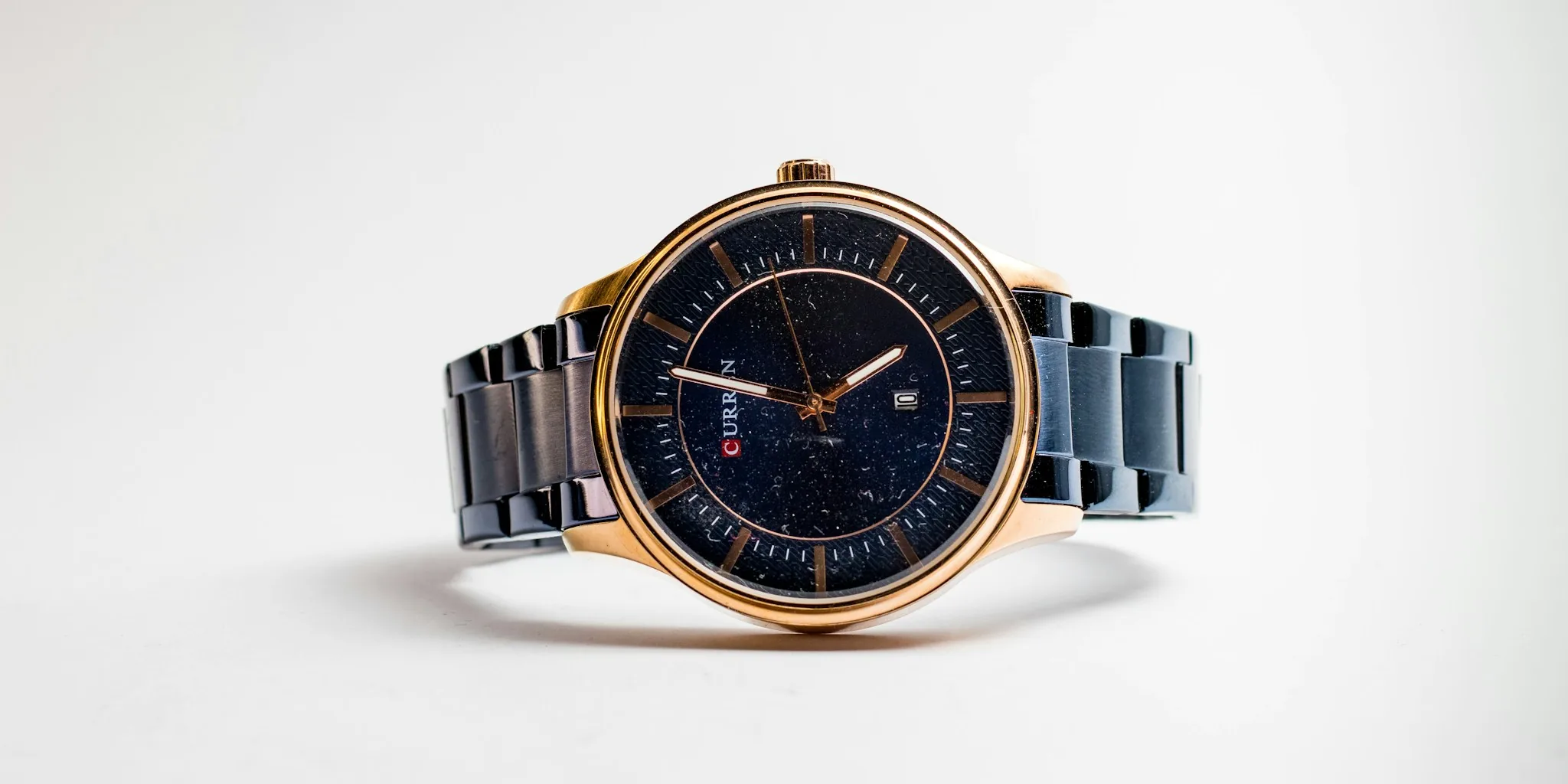
Apple brought back the ceramic Apple Watch in 2026 after a seven-year absence, and the decision to revive this premium material option has sparked considerable interest among smartwatch buyers. If you’re wondering whether a ceramic case is worth the investment, understanding both the advantages and drawbacks will help you make the right choice for your needs and budget.
Why the Ceramic Apple Watch 12 Deserves Your Consideration
Premium Look and Luxurious Feel
The ceramic case delivers an unmistakably premium aesthetic that sets your wearable apart from standard aluminum and titanium models. The Pearl White finish offers a cream-colored appearance with a distinctive pearl-like sheen that catches light beautifully. The Midnight Blue option provides a more subtle, metallic tone that appeals to those preferring understated elegance. Beyond appearance, ceramic delivers a noticeably smoother surface to the touch compared to metal alternatives, elevating the overall experience of wearing the watch throughout your day.
Exceptional Durability and Scratch Resistance
Ceramic cases combine zirconium dioxide and aluminum oxide to create a material that outperforms standard metals in multiple ways. This composition delivers superior scratch resistance, fade resistance, and structural strength, meaning your watch maintains its pristine appearance longer. The ceramic material also proves gentler on skin, making it an ideal choice if you have sensitive skin or experience irritation from aluminum or titanium contact.
Cellular Connectivity Comes Standard
The ceramic models come exclusively with GPS and cellular capabilities included. With aluminum versions, you must choose between the more affordable GPS-only option or pay extra for cellular functionality. This built-in connectivity removes the decision-making burden. Additionally, ceramic’s radio transparency characteristics mean it doesn’t interfere with cellular and WiFi signals the way metal cases can. While Apple doesn’t officially claim superior connectivity, the material’s properties suggest ceramic models likely deliver better signal quality than their metallic counterparts.
Investment in Long-Term Value
The combination of enhanced durability, premium materials, and superior build quality positions the ceramic model as a long-term investment. If you plan to wear your smartwatch for several years and want it to look as good at the end as it did on day one, the ceramic case’s resistance to scratches and fading justifies the premium price. You’re paying more upfront to avoid the visible wear that develops on less durable materials.
Distinctive Design That Stands Out
In a market saturated with aluminum and titanium smartwatches, ceramic offers genuine visual differentiation. The Pearl White ceramic genuinely draws attention due to its distinctive finish, while even the subtler Midnight Blue option provides a unique aesthetic that most smartwatch users won’t encounter. For those valuing individuality in their tech accessories, this exclusivity holds real appeal.
Important Reasons to Consider Skipping the Ceramic Version
Significant Price Premium
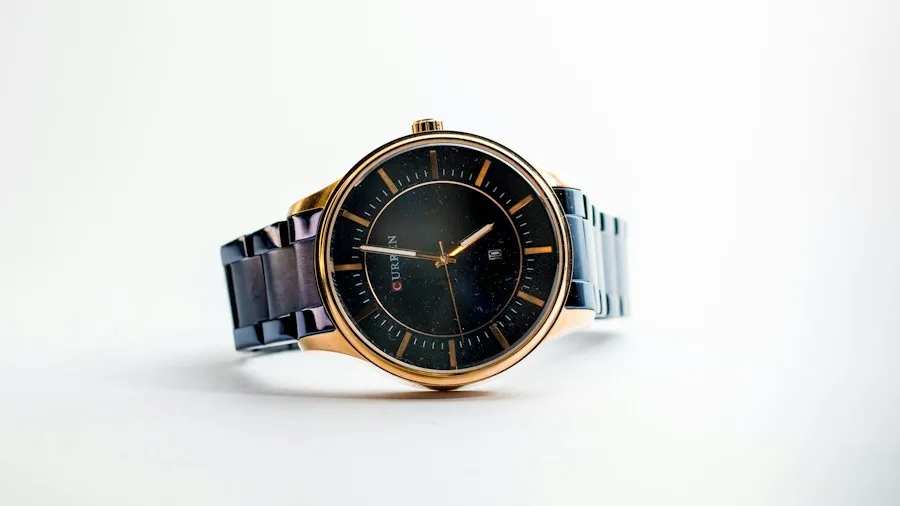
Cost represents the most substantial barrier to purchasing a ceramic Apple Watch 12. The standard aluminum model starts at $399, while ceramic pricing begins at $899 for the 42mm size and reaches $949 for the 46mm variant. This pricing structure makes the ceramic edition more expensive than the Apple Watch Ultra 4. If your budget is limited or you prefer allocating resources elsewhere, the $500 price jump creates a substantial commitment that requires careful consideration.
Noticeably Larger Size and Weight
The ceramic construction adds considerable heft compared to aluminum alternatives. The 46mm Midnight Blue ceramic weighs 52.9 grams compared to just 38.6 grams for the aluminum 46mm model, creating a meaningful difference you’ll notice during daily wear. The ceramic case is also 1mm taller and 1mm wider, making the bezel appear chunkier and less refined visually. While the additional thickness measures only 0.15mm, these cumulative size increases make the ceramic model feel noticeably bulkier on your wrist, which may prove uncomfortable during extended wear or if you prefer a lighter watch.
Making Your Decision
The ceramic Apple Watch 12 represents an excellent choice if you prioritize aesthetics, durability, and long-term appearance retention and have the budget available. The material delivers genuine advantages in scratch resistance and provides a genuinely unique look that aluminum and titanium simply cannot match. The cellular connectivity that comes standard is a practical bonus.
However, if you’re budget-conscious, prefer lighter wearables, or feel indifferent about the material’s visual qualities, the aluminum model offers outstanding value and performance at a fraction of the cost. Consider your priorities: are you willing to pay significantly more for premium materials and distinctive styling? Do you need cellular connectivity? Will the added weight bother you during daily wear? Answering these questions honestly will guide you toward the ceramic model or one of the more affordable alternatives.
About the author
Kristen writes about smartwatches for REMOVU, comparing features, battery life, and ecosystem fit. She helps readers tie together health tracking, notifications, and apps on the right watch.